
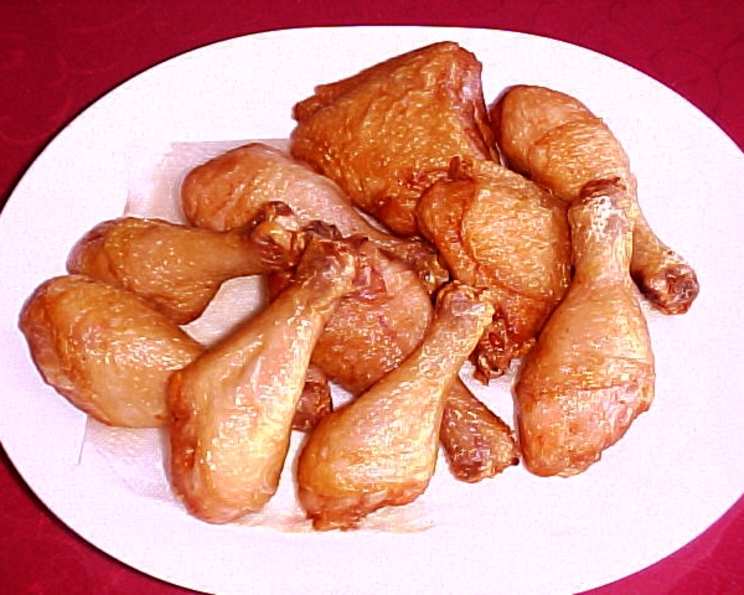
Marinated Fried Chicken (Without Batter)
There’s something primal about perfectly fried chicken. I remember vividly, as a child, the smell wafting from my grandmother’s kitchen – an irresistible invitation to a symphony of crispy skin and juicy meat. While I loved the traditional batter-coated version, she sometimes made a simple yet profoundly flavorful fried chicken using a marinade instead. That memory, that distinct taste, has been a constant source of inspiration in my culinary journey. It’s a reminder that sometimes, less truly is more.
Recipe Overview
- Prep Time: 15 minutes
- Marinating Time: 3-6 hours
- Cook Time: 15-20 minutes
- Total Time: 3 hours 15 minutes (minimum)
- Servings: 4-6
- Dietary Type: Varies (see notes below)
Ingredients
- 1 chicken, cut into portions with skin on
- 2 quarts water
- 1/2 cup coarse salt (kosher or sea salt recommended)
- 1/2 cup brown sugar, packed
- 3 crushed garlic cloves
Ingredient Notes:
- For a gluten-free version, ensure that your brown sugar is gluten-free (some contain malt extract). The recipe is naturally dairy-free.
- You can use a whole chicken or individual chicken pieces (legs, thighs, wings, breasts). Just adjust cooking time accordingly to ensure they are cooked through.
Equipment Needed
- Large bowl or container (for marinating)
- Deep fryer or large heavy-bottomed pot
- Thermometer (for oil)
- Tongs
- Paper towels
- Wire rack (optional)
- Oven (optional, for keeping chicken warm)
Instructions
-
Prepare the brine: In a large bowl or container, combine the water, coarse salt, and brown sugar. Stir vigorously until the salt and sugar are completely dissolved. This creates the brine, which will flavor and tenderize the chicken.
-
Add the garlic: Add the crushed garlic cloves to the brine. The garlic will infuse the chicken with a subtle, savory flavor.
-
Marinate the chicken: Add the chicken pieces to the brine, ensuring they are fully submerged. You may need to use a plate or weight to keep them under the liquid. Cover the bowl or container and refrigerate for 3-6 hours. This step is crucial for achieving flavorful and juicy chicken. Longer marinating times (up to 6 hours) will result in a more pronounced flavor, but don’t exceed 6 hours as the chicken can become too salty.
-
Prepare the deep fryer (or pot): If using a deep fryer, follow the manufacturer’s instructions for filling and preheating. If using a pot, pour enough oil (vegetable, canola, or peanut oil work well) into the pot to reach a depth of at least 3 inches. Ensure the pot is large enough to prevent the oil from splattering excessively.
-
Preheat the oil: Heat the oil over medium-high heat until it reaches 375°F (190°C). Use a thermometer to monitor the temperature accurately. Maintaining the correct temperature is vital for crispy chicken. If the oil is too cool, the chicken will absorb too much oil and become greasy. If it’s too hot, the outside will burn before the inside is cooked.
-
Fry the chicken: Carefully remove the chicken pieces from the brine and pat them dry with paper towels. This helps the skin crisp up nicely and prevents oil splatter. Gently lower the chicken pieces into the hot oil, a few at a time, without overcrowding the fryer or pot. Overcrowding will lower the oil temperature and result in soggy chicken.
-
Cook the chicken: Fry the chicken pieces for 6-8 minutes per side, or until they are golden brown and cooked through. The internal temperature of the chicken should reach 165°F (74°C). Use a meat thermometer to check the internal temperature, inserting it into the thickest part of the chicken (avoiding the bone).
-
Drain and keep warm: Remove the fried chicken pieces from the oil and place them on a wire rack lined with paper towels to drain excess oil. If desired, you can keep the cooked chicken warm in a preheated oven at 150°F (65°C) until all pieces are cooked. This will help maintain its crispiness.
-
Repeat: Repeat steps 6-8 until all the chicken is cooked.
Expert Tips & Tricks
- Brining is Key: Don’t skip the brining step. It’s what makes the chicken incredibly juicy and flavorful.
- Oil Temperature Matters: Maintaining the correct oil temperature is crucial for crispy, evenly cooked chicken. Use a thermometer to monitor the temperature throughout the cooking process.
- Don’t Overcrowd: Fry the chicken in batches to prevent overcrowding the fryer or pot. Overcrowding will lower the oil temperature and result in soggy chicken.
- Double Fry (Optional): For extra crispy chicken, you can double fry it. After the initial frying (6-8 minutes), remove the chicken and let it rest for 5-10 minutes. Then, increase the oil temperature to 385°F (196°C) and fry the chicken again for 1-2 minutes per side, until golden brown and extra crispy.
- Flavor Boost: Add a pinch of red pepper flakes or a few sprigs of thyme to the brine for an extra layer of flavor.
- Avoid Soggy Chicken: Ensure chicken is pat dried, do not overcrowd the pan, and maintain proper oil temperature to prevent chicken absorbing too much oil.
Serving & Storage Suggestions
Serve the marinated fried chicken immediately for the best taste and texture. It pairs well with classic sides like coleslaw, potato salad, corn on the cob, and biscuits. You can also serve it with a dipping sauce like ranch dressing, honey mustard, or barbecue sauce.
Storage: Leftover fried chicken can be stored in an airtight container in the refrigerator for up to 3-4 days.
Reheating: To reheat, preheat the oven to 350°F (175°C). Place the chicken on a baking sheet lined with parchment paper and bake for 10-15 minutes, or until heated through and crispy. You can also reheat it in an air fryer for a similar result. Avoid microwaving, as it will make the chicken soggy.
Nutritional Information
(Estimated, per serving – based on 6 servings)
| Nutrient | Amount per Serving | % Daily Value |
|---|---|---|
| Calories | 450 kcal | 23% |
| Total Fat | 30g | 46% |
| Saturated Fat | 8g | 40% |
| Cholesterol | 120mg | 40% |
| Sodium | 2400mg | 100% |
| Total Carbohydrate | 15g | 5% |
| Dietary Fiber | 1g | 4% |
| Sugars | 12g | N/A |
| Protein | 30g | 60% |
Note: Nutritional information is an estimate and may vary depending on specific ingredients and portion sizes.
Variations & Substitutions
- Spicy Marinade: Add 1-2 teaspoons of your favorite hot sauce or a pinch of cayenne pepper to the marinade for a spicy kick.
- Herb Infusion: Add fresh herbs like rosemary, thyme, or oregano to the marinade for a more complex flavor.
- Citrus Zest: Add the zest of one lemon or orange to the marinade for a bright, citrusy flavor.
- Buttermilk Brine: Substitute half of the water with buttermilk for a tangy and tenderizing effect.
- Honey Garlic Glaze: After frying, toss the chicken in a honey garlic glaze for a sweet and savory finish. Simply whisk together equal parts honey and soy sauce with minced garlic.
FAQs (Frequently Asked Questions)
Q: Can I use boneless, skinless chicken breasts for this recipe?
A: Yes, you can. However, keep in mind that boneless, skinless chicken breasts will cook faster than bone-in, skin-on pieces and may dry out more easily. Reduce the cooking time accordingly and monitor the internal temperature closely.
Q: Can I marinate the chicken overnight?
A: While you can technically marinate the chicken overnight, it’s not recommended for this particular brine. The salt content is relatively high, and marinating for too long can result in overly salty chicken. Stick to the recommended 3-6 hours for best results.
Q: What type of oil is best for frying chicken?
A: Oils with a high smoke point, such as vegetable oil, canola oil, peanut oil, or refined coconut oil, are best for frying chicken. Avoid using olive oil, as it has a lower smoke point and can burn easily.
Q: How do I know when the chicken is done cooking?
A: The chicken is done cooking when the internal temperature reaches 165°F (74°C) in the thickest part of the chicken, away from the bone. The juices should also run clear when pierced with a fork.
Q: My fried chicken is soggy, what am I doing wrong?
A: Soggy fried chicken is usually caused by overcrowding the fryer/pot, using oil that is not hot enough, or not patting the chicken dry before frying. Make sure to fry the chicken in batches, maintain the correct oil temperature, and pat the chicken dry with paper towels before frying.
Final Thoughts
This marinated fried chicken recipe offers a delightful alternative to traditional batter-coated versions. It’s simple, flavorful, and results in incredibly juicy and tender chicken with crispy skin. I encourage you to give it a try and experience the pure, unadulterated joy of perfectly fried chicken. Feel free to experiment with different variations and seasonings to create your own signature flavor. Share your culinary creations and feedback – happy cooking!