
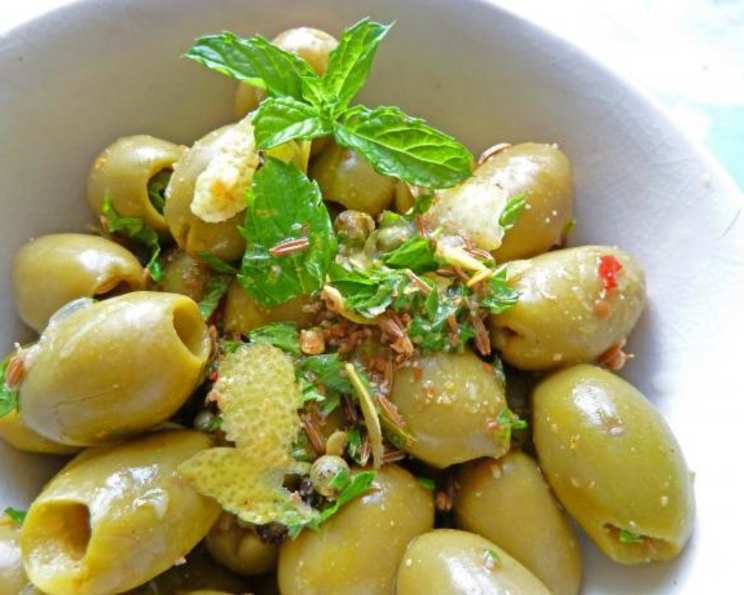
Marinated North African Olives: A Taste of the Maghreb
The scent of mint, lemon zest, and toasted cumin – even now, it instantly transports me back to a bustling marketplace in Marrakech. The sun beat down, the air buzzed with the calls of vendors, and a cacophony of exotic spices hung heavy in the air. It was there, amidst mounds of colorful produce, that I first tasted olives prepared this way. Their vibrant, complex flavor was a revelation, a far cry from the briny, often bland olives I knew. Each bite was an explosion of savory, herbaceous, and subtly spicy notes, a true taste of North Africa that I’ve been chasing ever since. This recipe is my humble attempt to recreate that memory, a taste of sunshine and vibrant flavors captured in a single, perfect olive.
Recipe Overview
- Prep Time: 10 minutes
- Cook Time: 0 minutes
- Total Time: 3 days 10 minutes (includes marinating time)
- Servings: 20
- Yields: About 1 lb of olives
- Dietary Type: Vegan, Gluten-Free
Ingredients
- 1 teaspoon whole cumin seed
- 1 tablespoon cracked coriander seed
- 1 tablespoon red pepper flakes
- 2 tablespoons mint, freshly chopped
- Zest of 1 lemon
- Juice of 1 lemon
- ½ teaspoon black peppercorns
- 1 lb East African variety olives (such as Kalamata or Castelvetrano)
Equipment Needed
- Glass jar or container with a lid
Instructions
- In a glass jar or container, combine the whole cumin seed, cracked coriander seed, and red pepper flakes. These spices form the flavorful backbone of the marinade. Toasting the cumin and coriander seeds lightly in a dry pan for a minute or two before adding them to the jar will enhance their aroma and flavor, though this is optional.
- Next, add the freshly chopped mint and the zest of one lemon. The mint provides a refreshing, herbaceous note, while the lemon zest adds brightness and a subtle citrus aroma. Be sure to only zest the outer, colorful layer of the lemon, avoiding the bitter white pith underneath.
- Now, pour in the juice of one lemon. The lemon juice acts as both a flavor enhancer and a mild preservative, helping to keep the olives fresh during the marinating process.
- Add the black peppercorns to the spice mixture. Black peppercorns contribute a subtle heat and a depth of flavor that complements the other spices.
- Finally, add the East African variety olives to the jar. Ensure that you’re using high-quality olives for the best results. Varieties like Kalamata or Castelvetrano work exceptionally well.
- Toss all of the ingredients together gently but thoroughly, ensuring that the olives are well coated with the spice mixture and lemon juice. You want every olive to be touched by the marinade.
- Refrigerate the jar for at least 3 days. This allows the olives to fully absorb the flavors of the marinade. The longer they marinate, the more intense the flavor will become.
- These marinated olives will last for up to 3 weeks in the refrigerator, provided they are stored in an airtight container.
Expert Tips & Tricks
- Spice it up: For a more intense heat, increase the amount of red pepper flakes or add a pinch of cayenne pepper to the marinade.
- Herb variations: Experiment with different herbs, such as rosemary, thyme, or oregano, to create your own unique flavor profile.
- Lemon infusion: For an even more pronounced lemon flavor, add a few slices of lemon to the marinade along with the zest and juice.
- Olive selection: While East African varieties like Kalamata are recommended, you can also use other types of olives, such as Cerignola or Manzanilla, depending on your preference. Just be sure to adjust the amount of salt in the marinade accordingly, as some olives are saltier than others.
- Marinating time: While 3 days is the minimum marinating time, allowing the olives to marinate for a week or longer will result in a more intense and complex flavor.
- Oil Addition: For a richer flavor and texture, consider adding a tablespoon or two of high-quality olive oil to the marinade before refrigerating. This will also help to preserve the olives.
Serving & Storage Suggestions
These marinated North African olives are incredibly versatile and can be served in a variety of ways. They make a wonderful addition to a cheese board or antipasto platter, adding a burst of flavor and color. They can also be enjoyed as a simple snack or appetizer, served alongside crusty bread or pita chips. For a more substantial dish, try adding them to salads, pasta dishes, or tagines.
To store, keep the olives in an airtight container in the refrigerator. Properly stored, they will last for up to 3 weeks. There’s generally no need to reheat them, as they are best served cold or at room temperature.
Nutritional Information
| Nutrient | Amount per Serving | % Daily Value |
|---|---|---|
| Calories | 30.2 kcal | N/A |
| Calories from Fat | 23 g | 76% |
| Total Fat | 2.6 g | 3% |
| Saturated Fat | 0.3 g | 1% |
| Cholesterol | 0 mg | 0% |
| Sodium | 167.5 mg | 6% |
| Total Carbohydrate | 2.4 g | 0% |
| Dietary Fiber | 1.1 g | 4% |
| Sugars | 0.2 g | 0% |
| Protein | 0.4 g | 0% |
Note: Nutritional information is an estimate and may vary based on specific ingredients and preparation methods.
Variations & Substitutions
- Spice Level Adjustment: Adjust the amount of red pepper flakes to control the level of heat. For a milder version, use less or omit them entirely. For a spicier version, add more red pepper flakes or a pinch of cayenne pepper.
- Herb Swaps: Feel free to experiment with different herbs based on your preferences. Rosemary, thyme, oregano, or even a bit of fresh parsley can all be used in place of or in addition to the mint.
- Citrus Zest Variations: While lemon zest is the traditional choice, you can also use orange or grapefruit zest for a slightly different flavor profile.
- Olive Oil Infusion: For an extra layer of flavor, infuse the olive oil with garlic or chili flakes before adding it to the marinade. Simply heat the oil in a saucepan with the garlic or chili flakes over low heat for a few minutes, then let it cool before adding it to the marinade.
- Vinegar Addition: For a more tangy flavor, add a tablespoon or two of red wine vinegar or apple cider vinegar to the marinade.
FAQs (Frequently Asked Questions)
Q: What type of olives work best for this recipe?
A: East African varieties such as Kalamata or Castelvetrano are traditionally used and offer a great flavor and texture. However, other types of olives like Cerignola or Manzanilla can also be used, adjusting salt levels if needed.
Q: How long do the olives need to marinate?
A: A minimum of 3 days is recommended for the olives to absorb the flavors of the marinade. For a more intense flavor, marinate them for up to a week or longer.
Q: Can I use dried mint instead of fresh?
A: While fresh mint is preferred for its vibrant flavor, you can use dried mint in a pinch. Use about 1 teaspoon of dried mint for every 2 tablespoons of fresh mint.
Q: How should I store the marinated olives?
A: Store the olives in an airtight container in the refrigerator. They will last for up to 3 weeks.
Q: Can I freeze these marinated olives?
A: Freezing is not recommended as it can alter the texture of the olives. They are best enjoyed fresh after marinating.
Final Thoughts
I hope this recipe inspires you to create your own little taste of North Africa at home. These marinated olives are a simple yet incredibly flavorful addition to any meal or gathering. Don’t be afraid to experiment with different herbs and spices to create your own unique version. Share your creations with friends and family, and let the flavors of the Maghreb transport you to a land of sunshine, spices, and vibrant culture. Enjoy!