
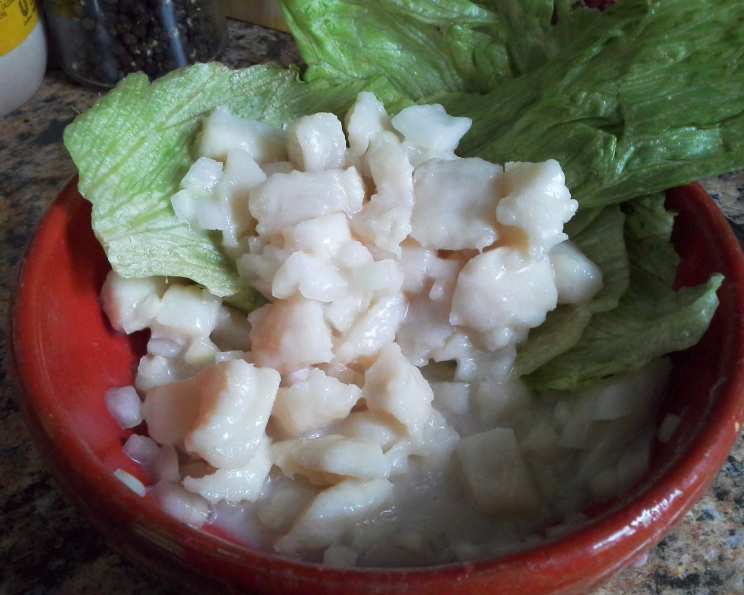
Oka I’a: Samoan Marinated Raw Fish in Coconut Cream
The first time I tasted Oka I’a, I was sitting on a sun-drenched beach in Upolu, Samoa, the gentle sea breeze carrying the scent of salt and frangipani. A local family, generous and welcoming, shared their lunch with me – a simple bowl filled with glistening cubes of fish, bathed in creamy coconut milk and vibrant with the colors of tomato and onion. The coolness of the dish against the tropical heat, the delicate tang of lemon, and the rich, almost sweet coconut milk created a flavor explosion that was both refreshing and deeply satisfying. That taste of Oka I’a, of Samoa, remains a cherished memory.
Recipe Overview
- Prep Time: 2 hours 10 minutes
- Total Time: 2 hours 10 minutes
- Servings: 4
- Dietary Type: Dairy-Free
Ingredients
- 500g white fish fillets (such as snapper, mahi-mahi, or tuna), very fresh and sushi-grade
- 1 teaspoon salt
- ½ cup lemon juice, freshly squeezed
- ½ lemon, sliced thinly for garnish
- 2 tomatoes, diced
- 1 medium onion, finely chopped
- 400 ml coconut cream, chilled (use ½ cup if you prefer a richer consistency)
Equipment Needed
- Cutting board
- Sharp knife
- Mixing bowl
- Spoon or spatula
- Plastic wrap or airtight container
Instructions
- Begin by preparing the fish. Using a sharp knife, cut the white fish fillets into roughly ½-inch cubes. Consistency in size will ensure even “cooking” in the lemon juice.
- Place the cubed fish in a mixing bowl.
- Sprinkle the fish with salt, ensuring it’s evenly distributed.
- Pour the lemon juice over the fish, making sure all the pieces are submerged. The acidity of the lemon juice is what will “cook” the fish, denaturing the proteins and making it safe and palatable to eat.
- Cover the bowl tightly with plastic wrap or transfer the mixture to an airtight container.
- Chill the fish in the refrigerator for at least 2 hours, or preferably overnight. The longer it marinates, the firmer and more opaque the fish will become. Stir the mixture occasionally during the marinating process to ensure even “cooking.” You’ll notice the fish will turn from translucent to white as it marinates.
- Once the fish is marinated and has turned white, it’s time to assemble the dish. Add the finely chopped onion and diced tomatoes to the bowl with the fish.
- Pour in the coconut cream. If your coconut cream is very thick, you might want to start with a smaller amount (about ½ cup) and add more until you reach your desired consistency.
- Gently stir all the ingredients together, ensuring the fish and vegetables are evenly coated with the coconut cream.
- Before serving, garnish with thin slices of lemon. This adds a beautiful visual appeal and a final burst of citrus flavor.
- Serve the Oka I’a chilled.
Expert Tips & Tricks
- Use the freshest fish possible: Since this dish relies on raw fish, the quality and freshness are paramount. Look for sushi-grade fish from a reputable source. If you’re unsure, ask your fishmonger for recommendations.
- Don’t over-marinate: While marinating is essential, overdoing it can make the fish rubbery. Stick to the recommended time frame of 2 hours to overnight.
- Chill everything: Keep all your ingredients, including the coconut cream, well-chilled before assembling the dish. This will help maintain the refreshing quality of the Oka I’a.
- Adjust the lemon juice: The amount of lemon juice can be adjusted to your taste. If you prefer a tangier dish, add a little more.
- For a spicier kick: Consider adding a finely chopped chili pepper or a pinch of chili flakes to the marinade.
Serving & Storage Suggestions
Oka I’a is best served immediately after assembling, while it’s still chilled and the flavors are fresh. Serve it in individual bowls as an appetizer or a light lunch. It pairs wonderfully with taro chips or crackers for scooping.
Leftovers can be stored in an airtight container in the refrigerator for up to 24 hours. However, the texture of the fish may change slightly, becoming a bit softer. It’s not recommended to freeze Oka I’a, as freezing can significantly alter the texture of the fish and coconut cream.
Nutritional Information
(Please note that these are estimated values and can vary based on specific ingredients used.)
| Nutrient | Amount per Serving | % Daily Value |
|---|---|---|
| Calories | 350 kcal | 18% |
| Total Fat | 25g | 38% |
| Saturated Fat | 20g | 100% |
| Cholesterol | 85mg | 28% |
| Sodium | 700mg | 30% |
| Total Carbohydrate | 20g | 7% |
| Dietary Fiber | 2g | 8% |
| Sugars | 15g | 30% |
| Protein | 20g | 40% |
Variations & Substitutions
- Type of Fish: While I’ve specified white fish, you can experiment with different types depending on availability and preference. Just be sure to use sushi-grade fish.
- Vegetables: Cucumber, thinly sliced, is a popular addition to Oka I’a. Bell peppers (red or yellow) can also add a touch of sweetness and color.
- Coconut Milk vs. Coconut Cream: While the recipe calls for coconut cream, you can substitute with coconut milk for a lighter dish. The flavor will be milder, and the texture less rich.
- Spice Level: Adjust the heat by adding a minced jalapeno or serrano pepper to the marinade. Remove the seeds for less heat.
- Citrus: Lime juice can be used in place of lemon juice for a slightly different flavor profile.
FAQs (Frequently Asked Questions)
Q: Can I use frozen fish for Oka I’a?
A: It’s best to use fresh, sushi-grade fish for this dish. If you must use frozen fish, ensure it’s thawed completely and is of the highest quality possible. Thawing may affect the texture of the fish.
Q: How do I know if the fish is “cooked” enough?
A: The fish is “cooked” when it has turned completely opaque throughout. The lemon juice denatures the proteins, similar to how heat cooks fish.
Q: Can I make Oka I’a ahead of time?
A: While you can marinate the fish ahead of time, it’s best to assemble the dish just before serving to maintain the freshness of the vegetables and the creamy texture of the coconut cream.
Q: Is it safe to eat raw fish?
A: Using sushi-grade fish significantly reduces the risk of parasites or bacteria. However, it’s essential to source your fish from a reputable supplier and follow proper food safety practices.
Q: Can I use canned coconut milk?
A: Yes, you can use canned coconut milk, but coconut cream is recommended for a richer and creamier dish. If using canned coconut milk, chill it in the refrigerator beforehand and use only the thick cream that separates at the top.
Final Thoughts
Oka I’a is more than just a dish; it’s a taste of the islands, a celebration of fresh ingredients, and a reminder of the simple pleasures of life. I urge you to try this recipe and experience the unique flavors of Samoa. Don’t be afraid to experiment with variations to suit your own taste preferences. Share your creations with friends and family and let them savor the taste of paradise. And if you’re feeling adventurous, pair it with a refreshing glass of passion fruit juice for a truly tropical experience. Enjoy!