
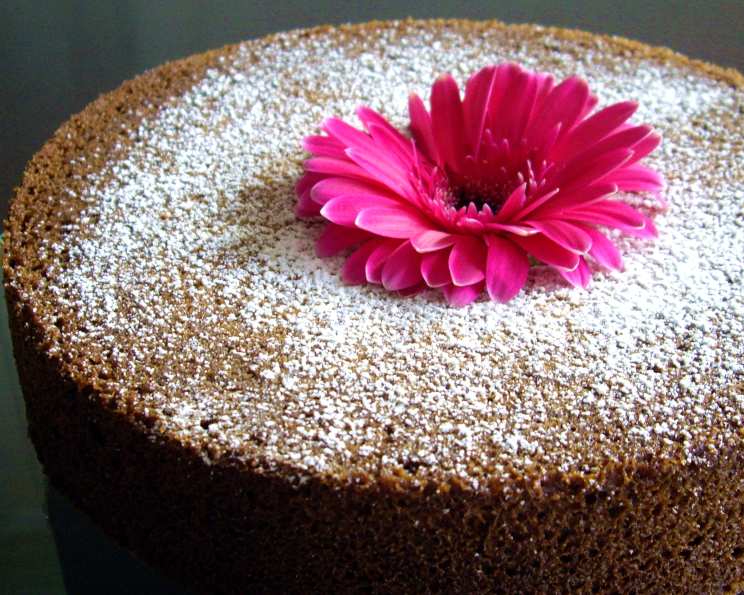
Mario Batali’s Olive Oil and Orange Cake: A Taste of Sunshine
The scent of oranges always transports me back to my Nonna’s kitchen in Sicily. She would make a simple, rustic cake with olive oil from her grove and oranges freshly picked from the tree, the aroma filling her sun-drenched kitchen. This recipe from Mario Batali, while not exactly Nonna’s, captures a similar essence of bright, citrusy flavor and the unpretentious joy of baking with simple, high-quality ingredients. It’s a taste of sunshine, no matter the weather outside.
Recipe Overview
- Prep Time: 15 minutes
- Cook Time: 50 minutes
- Total Time: 1 hour 5 minutes
- Servings: 8
- Yield: 1 cake
- Dietary Type: Dairy-Free
Ingredients
- 6 medium oranges
- 1/3 cup extra virgin olive oil
- 4 eggs
- 1/2 teaspoon salt
- 1 cup sugar
- 1 1/4 cups flour (high gluten preferred, such as bread flour)
- 1 tablespoon baking powder
Equipment Needed
- 9-inch round cake pan
- Zester
- Juicer
- Large mixing bowl
- Electric mixer
- Sifter
- Small bowl
- Spoon
- Toothpick
- Cooling rack
Instructions
-
Preheat your oven to 350°F (175°C) and lightly oil a 9-inch round cake pan. This will prevent the cake from sticking and ensure easy removal.
-
Carefully remove the zest from all six oranges. Try to avoid including the white pith, as it can impart a bitter taste.
-
Juice one orange. The juice will add moisture and intensify the orange flavor in the cake. Set the remaining oranges aside for another use – perhaps a refreshing salad or a glass of fresh juice!
-
In a large mixing bowl, using an electric mixer, beat the eggs and salt together until the mixture becomes frothy and light in color, about 2 minutes. The aeration at this stage is crucial for a light and airy cake.
-
Gradually add the sugar to the egg mixture, while continuing to mix on medium speed for another 2 minutes. Ensure the sugar is fully incorporated into the eggs.
-
In a separate bowl, sift together the flour and baking powder. Sifting is essential, as it prevents lumps and ensures the baking powder is evenly distributed throughout the flour, resulting in a more consistent rise.
-
Gradually add the sifted flour mixture to the egg mixture. Mix for about 1 minute, until just combined. Be careful not to overmix, as this can develop the gluten in the flour, resulting in a tough cake.
-
In a side bowl, mix the olive oil, orange zest, and orange juice together. The olive oil contributes a unique richness and subtle flavor, while the zest and juice infuse the cake with vibrant citrus notes.
-
Using a spoon, gently stir the olive oil mixture into the egg mixture, just folding until everything is incorporated. Overmixing at this point can deflate the batter. Ensure there are no streaks of flour or olive oil remaining.
-
Pour the batter into the prepared cake pan, spreading it evenly.
-
Place the cake pan in the preheated oven and bake for 50 minutes, or until a toothpick inserted into the center of the cake comes out clean. If the top of the cake begins to brown too quickly, you can loosely tent it with foil during the last 15-20 minutes of baking.
-
Cool the cake to room temperature in the pan before inverting it onto a wire rack to cool completely. This allows the cake to set and prevents it from crumbling.
-
Once completely cooled, cut into wedges and serve.
Expert Tips & Tricks
- Use high-quality extra virgin olive oil. The flavor of the olive oil will shine through in the cake, so choose one with a fruity and slightly peppery taste.
- Zest the oranges directly into the olive oil mixture. This helps to release the oils from the zest and intensifies the orange flavor.
- Don’t overmix the batter! Overmixing develops the gluten in the flour, leading to a tough cake. Mix until just combined.
- Check for doneness with a toothpick. If the toothpick comes out clean, the cake is done. If it comes out with wet batter, bake for a few more minutes and check again.
- For an even more intense orange flavor, brush the cooled cake with a simple syrup made from equal parts orange juice and sugar, heated until the sugar dissolves.
Serving & Storage Suggestions
Serve this cake at room temperature, either plain or with a dusting of powdered sugar. It’s delicious with a dollop of whipped cream or a scoop of vanilla ice cream. A glass of sweet dessert wine, such as Moscato d’Asti, pairs perfectly with the citrusy flavors.
Store leftover cake in an airtight container at room temperature for up to 3 days, or in the refrigerator for up to 5 days. You can also freeze the cake for up to 2 months. Thaw it overnight in the refrigerator before serving. If freezing, wrap the cake tightly in plastic wrap and then foil to prevent freezer burn.
Nutritional Information
| Nutrient | Amount per Serving | % Daily Value |
|---|---|---|
| Calories | 331 kcal | N/A |
| Total Fat | 11.8g | 18% |
| Saturated Fat | 2.1g | 10% |
| Cholesterol | 105.8mg | 35% |
| Sodium | 317.1mg | 13% |
| Total Carbohydrate | 52g | 17% |
| Dietary Fiber | 2.9g | 11% |
| Sugars | 34.4g | N/A |
| Protein | 6.1g | 12% |
Note: Nutritional information is an estimate and may vary based on specific ingredients and preparation methods.
Variations & Substitutions
- Lemon or Grapefruit: Substitute lemons or grapefruits for the oranges for a different citrusy twist.
- Almond Flour: Use almond flour in place of regular flour for a gluten-free version. The texture will be slightly denser.
- Brown Sugar: Use brown sugar instead of granulated sugar for a richer, more caramel-like flavor.
- Spices: Add a pinch of cinnamon, nutmeg, or cardamom to the batter for a warm and cozy flavor.
- Glaze: Drizzle a simple glaze made from powdered sugar and orange juice over the cooled cake for a sweeter finish.
FAQs (Frequently Asked Questions)
Q: Can I use a different type of flour?
A: While bread flour is recommended for its higher gluten content, which contributes to a slightly chewier texture, you can use all-purpose flour in a pinch. The cake may be a bit more tender and less structured.
Q: What if I don’t have fresh oranges? Can I use orange extract?
A: Fresh oranges provide the best flavor, but if you don’t have any, you can use 1-2 teaspoons of orange extract. Be careful not to use too much, as it can taste artificial.
Q: My cake is browning too quickly. What should I do?
A: If the top of the cake is browning too quickly, loosely tent it with aluminum foil for the last 15-20 minutes of baking. This will help to prevent it from burning.
Q: Can I make this cake ahead of time?
A: Yes, this cake can be made a day or two in advance. Store it in an airtight container at room temperature.
Q: My cake sank in the middle. What did I do wrong?
A: A sunken cake can be caused by several factors, including overmixing the batter, using old baking powder, or opening the oven door too frequently during baking. Ensure your baking powder is fresh, avoid overmixing, and resist the urge to peek!
Final Thoughts
This Olive Oil and Orange Cake is more than just a recipe; it’s an invitation to slow down, appreciate simple pleasures, and connect with the joy of baking. So, preheat your oven, gather your ingredients, and let the bright citrus aroma fill your kitchen. I encourage you to try this recipe, experiment with your own variations, and share your creations with loved ones. And don’t hesitate to let me know what you think – your feedback is always welcome! Enjoy!