
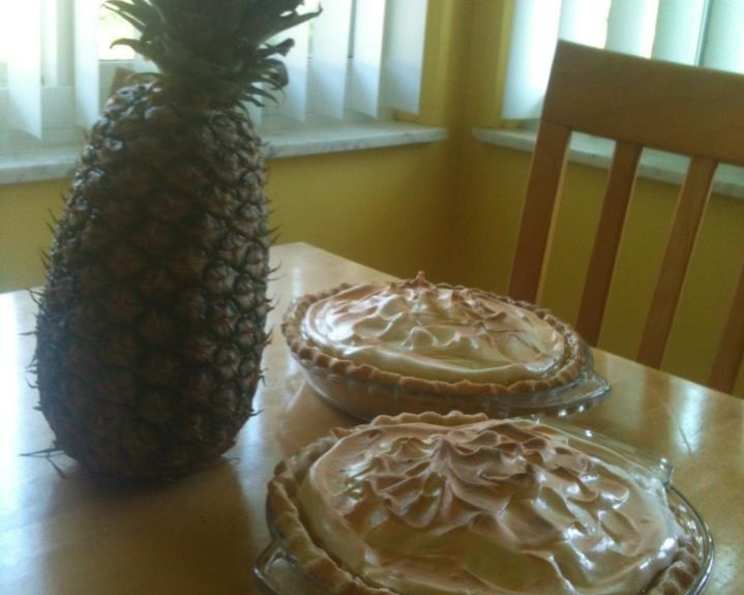
Marshmallow Cream Meringue: A Sweet Cloud of Perfection
The memory of my grandmother’s kitchen is forever intertwined with the scent of vanilla and the anticipation of something sweet emerging from the oven. While she was a master of many desserts, her meringue pies were legendary. The way the peaks of browned meringue would kiss the roof of your mouth, dissolving into a sugary cloud, was pure bliss. I remember sneaking spoonfuls of marshmallow cream when she wasn’t looking – its sticky sweetness was irresistible. This recipe marries those two nostalgic loves: a classic meringue, but with the added magic of marshmallow cream for an extra layer of flavor and decadence.
Recipe Overview:
- Prep Time: 5 minutes
- Cook Time: 12-15 minutes
- Total Time: 17-20 minutes
- Servings: Variable, depends on pie size
- Yields: 1 pie topping
- Dietary Type: Not specified, contains egg whites
Ingredients:
- 3 egg whites
- 1 dash salt
- 1 cup marshmallow cream
Equipment Needed:
- Electric mixer (stand or hand mixer)
- Mixing bowl
- Spatula
- Oven
- Pie to top
Instructions:
-
Begin by preheating your oven to 350 degrees Fahrenheit (175 degrees Celsius). This ensures the meringue cooks evenly and achieves that beautiful golden-brown hue.
-
In a clean, dry mixing bowl, combine the 3 egg whites and 1 dash of salt. The salt helps to stabilize the egg whites and create a more voluminous meringue.
-
Using an electric mixer (either a stand mixer or a hand mixer), beat the egg whites and salt until soft peaks form. Soft peaks are characterized by their ability to hold their shape briefly before the tips curl back down. This is a crucial stage – don’t overbeat!
-
Gradually add in the 1 cup of marshmallow cream, beating continuously. Be sure to incorporate the marshmallow cream slowly to avoid deflating the egg whites.
-
Continue beating until stiff peaks form. Stiff peaks stand straight up when the beaters are lifted from the mixture. This indicates that the meringue is stable and ready to be baked. Be careful not to overbeat at this stage, as it can cause the meringue to become dry and grainy.
-
Gently spread the marshmallow cream meringue over your prepared pie filling. Ensure that the meringue extends all the way to the edges of the baked pie crust. This “sealing” step is essential to prevent the meringue from shrinking during baking.
-
Bake in the preheated oven for 12-15 minutes, or until the meringue is lightly browned. Keep a close eye on the meringue, as it can brown quickly.
-
Remove the pie from the oven and let it cool completely before serving. This allows the meringue to set properly and prevents it from collapsing.
Expert Tips & Tricks:
- Room Temperature Eggs: For best results, use egg whites that are at room temperature. They whip up to a greater volume than cold egg whites.
- Clean Bowl and Beaters: Make sure your mixing bowl and beaters are scrupulously clean and free of any grease or oil. Even a tiny amount of fat can prevent the egg whites from whipping properly.
- Stabilizing Agents: A pinch of cream of tartar can be added to the egg whites along with the salt to further stabilize the meringue.
- Preventing Weeping: “Weeping” (the formation of liquid on the surface of the meringue) can be minimized by ensuring the meringue is thoroughly cooked and by sealing it well to the crust.
- Swirling for Presentation: Use a spatula to create decorative swirls in the meringue before baking for a more visually appealing presentation. You can also use the back of a spoon to create peaks.
- Broiler Option: For a quicker browning effect, you can broil the meringue for a minute or two, but watch it very carefully to prevent burning.
Serving & Storage Suggestions:
Serve your marshmallow cream meringue pie chilled or at room temperature. The creamy meringue complements a variety of pie fillings, such as lemon, chocolate, or coconut cream.
Store any leftover pie in the refrigerator, covered loosely. The meringue is best consumed within 1-2 days, as it may soften over time. While you can freeze the pie, the meringue texture will likely be compromised upon thawing. It is best to enjoy it fresh.
Nutritional Information:
Here’s an estimated nutritional breakdown, recognizing that exact values depend on the specific marshmallow cream used and pie size:
| Nutrient | Amount per Serving | % Daily Value (approx.) |
|---|---|---|
| Calories | 250-350 kcal | 13-18% |
| Total Fat | 5-10 g | 8-15% |
| Saturated Fat | 2-5 g | 10-25% |
| Cholesterol | 0 mg | 0% |
| Sodium | 100-200 mg | 4-8% |
| Total Carbohydrate | 40-60 g | 13-20% |
| Dietary Fiber | 0 g | 0% |
| Sugars | 30-50 g | N/A |
| Protein | 3-5 g | 6-10% |
Variations & Substitutions:
- Flavor Extracts: Add a few drops of vanilla extract, almond extract, or lemon extract to the meringue for added flavor.
- Toasted Coconut: Sprinkle toasted coconut flakes over the meringue before or after baking for a textural contrast and tropical twist.
- Chocolate Shavings: Grate dark chocolate over the meringue after baking for a rich and decadent finish.
- Meringue Cookies: If you want to use the marshmallow meringue by itself you can make cookies by piping it onto parchment paper and baking at a low temperature (around 200F) for a longer period, creating meringue cookies.
FAQs (Frequently Asked Questions):
Q: Can I use store-bought meringue topping instead?
A: While you could, the homemade version is far superior in taste and texture. Store-bought versions often contain stabilizers and preservatives that can affect the flavor and mouthfeel.
Q: What if my meringue is weeping?
A: Overbaking, high humidity, or insufficient sugar can cause weeping. Make sure your meringue is fully cooked and try adding a pinch of cream of tartar next time.
Q: Can I make this ahead of time?
A: Meringue is best served fresh. While you can bake the pie crust and prepare the filling in advance, it is recommended to make the meringue just before baking.
Q: Why did my meringue deflate?
A: Deflation can occur if the egg whites were not whipped to stiff peaks, if the marshmallow cream was not incorporated gently, or if the meringue was not sealed to the crust properly.
Q: Can I use a different type of sweetener besides marshmallow cream?
A: Using a different sweetener will alter the flavor and texture of the meringue. The marshmallow cream contributes to both the sweetness and the unique, slightly chewy texture of this meringue.
Final Thoughts:
This marshmallow cream meringue recipe is more than just a topping; it’s a delightful journey back to simpler times, filled with the comforting sweetness of childhood memories. Don’t be intimidated by the meringue – with a few simple steps and a little patience, you can create a show-stopping dessert that will impress your friends and family. Gather your ingredients, preheat your oven, and prepare to be transported to a cloud of sugary bliss. I encourage you to try this recipe and share your creations and feedback with me! Perhaps pair it with a tart lemon pie to balance the sweetness, or serve it alongside a warm cup of coffee for a truly indulgent treat.