
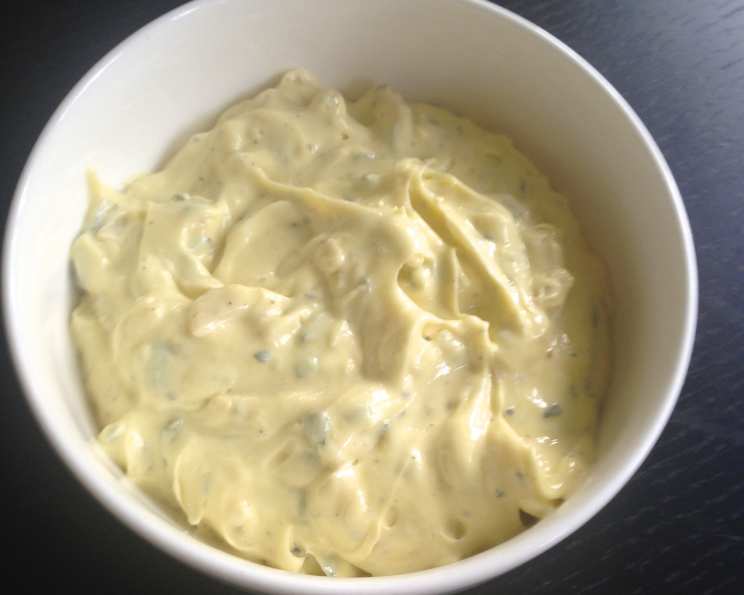
The Quintessential Béarnaise: A Culinary Journey with Martha Stewart’s Classic
My earliest memory of Béarnaise sauce isn’t from a fancy restaurant, but from my grandmother’s kitchen. She’d make it to accompany her perfectly seared steaks, the aroma of tarragon and shallots filling the house. I remember being mesmerized by her deft whisking, the pale yellow sauce transforming from a thin liquid into a velvety, decadent dream. It always felt like magic, and it sparked my lifelong love affair with classic French sauces. This recipe, adapted from Martha Stewart’s, brings that magic to your own kitchen.
Recipe Overview
- Prep Time: 15 minutes
- Cook Time: 10-15 minutes
- Total Time: 25-30 minutes
- Servings: 6
- Yield: About 1 cup
- Dietary Type: Gluten-Free
Ingredients
- 2 tablespoons tarragon vinegar
- 2 tablespoons dry white wine
- ¼ cup very finely chopped shallot
- ¼ teaspoon ground black pepper, more if desired
- 1 tablespoon finely chopped tarragon leaf
- 3 large egg yolks
- 1 tablespoon water
- ½ – ¾ cup unsalted butter, very soft (approximately 1 ½ sticks)
- Coarse salt to taste
- Pepper, if desired, to taste
- Lemon juice, if desired, a few droplets
Equipment Needed
- Small saucepan
- Whisk
- Mixing bowls
- Measuring spoons and cups
Instructions
- Begin by preparing the reduction: Combine the tarragon vinegar, dry white wine, finely chopped shallot, black pepper, and 1 ½ teaspoons of the chopped tarragon leaf in a small saucepan.
- Cook this mixture over medium heat, allowing it to reduce to about 1 tablespoon. This concentration of flavors is crucial for the final sauce. This should take about 5 to 10 minutes. Watch carefully to prevent burning.
- Once the reduction is complete, remove the saucepan from the heat and add the egg yolks and 1 tablespoon of water.
- Immediately begin whisking the egg yolks and water into the reduction. Whisk vigorously until the mixture becomes thick and pale, approximately 2 minutes. This step is essential for creating a stable emulsion.
- Next, set the pan over moderately low heat. Continue to whisk at a reasonable speed, ensuring you reach all areas of the pan’s bottom and sides. This prevents the eggs from overcooking and scrambling.
- To moderate the heat, frequently move the pan off the burner for a few seconds, then back on. This constant adjustment will prevent the eggs from curdling.
- As the eggs cook, they will become frothy and increase in volume, eventually thickening. The whisking motion is what creates the airy, light quality that is characteristic of a great Bearnaise.
- Continue cooking and whisking until the bottom of the pan is visible in the streaks left by the whisk and the eggs are thick and smooth. This is a key indicator that the sauce is nearing completion.
- Remove the pan from the heat.
- Begin incorporating the soft butter by spoonfuls. Whisk constantly to ensure each addition is fully absorbed before adding the next. This careful emulsification is critical to achieving the sauce’s signature velvety texture.
- As the emulsion forms, you can gradually increase the amount of butter you add with each spoonful, always whisking until fully absorbed.
- Continue incorporating the butter until the sauce has thickened to your desired consistency. Remember, the sauce will thicken slightly as it cools.
- Finally, season the sauce with coarse salt to taste. Add the remaining 1 ½ teaspoons of chopped tarragon. Add pepper if desired, and a few droplets of lemon juice if needed to brighten the flavor. Taste and adjust seasonings as required.
Expert Tips & Tricks
- Butter Temperature is Key: Using very soft, almost melted butter is essential. If the butter is too cold, it won’t emulsify properly, and the sauce will break. If it’s too hot, it can cook the egg yolks and result in a grainy texture.
- Tempering the Eggs: The most common mistake is cooking the eggs too quickly. Remember to moderate the heat by constantly moving the pan on and off the burner.
- Broken Emulsion: If the sauce breaks (separates), try whisking in a tablespoon of cold water. This can sometimes help re-emulsify the sauce. Alternatively, whisk an egg yolk in a separate bowl, then slowly drizzle in the broken sauce, whisking constantly, to bring it back together.
- Make Ahead (Partial): You can prepare the vinegar reduction ahead of time and store it in the refrigerator. When ready to make the sauce, simply reheat the reduction slightly before adding the egg yolks.
Serving & Storage Suggestions
Béarnaise sauce is best served immediately. Its delicate emulsion is prone to breaking if left at room temperature for too long. Traditionally, it accompanies grilled steaks, particularly filet mignon. It’s also delicious with roasted asparagus, poached eggs (Eggs Benedict), or grilled salmon.
If you have leftovers (though unlikely!), store them in an airtight container in the refrigerator for no more than 24 hours. Reheating Béarnaise is tricky, as it tends to separate. Gently warming it in a double boiler over low heat, whisking constantly, is the best approach. Adding a tiny splash of cream can sometimes help stabilize it during reheating. However, fresh is always best! I do not recommend freezing it.
Nutritional Information
Note: Nutritional information is an estimate and may vary based on specific ingredients and portion sizes.
| Nutrient | Amount per Serving | % Daily Value |
|---|---|---|
| Calories | 240 kcal | 12% |
| Total Fat | 25g | 38% |
| Saturated Fat | 15g | 75% |
| Cholesterol | 225mg | 75% |
| Sodium | 15mg | 1% |
| Total Carbohydrate | 1g | 0% |
| Dietary Fiber | 0g | 0% |
| Sugars | 0g | 0% |
| Protein | 3g | 6% |
Variations & Substitutions
- Béarnaise with Blood Orange: Substitute blood orange juice for some of the white wine in the reduction for a citrusy twist.
- Choron Sauce: Transform your Béarnaise into Choron sauce by folding in tomato puree or paste at the end. This adds a rich, tangy element.
- Foyot Sauce (Valois): Add meat glaze (glace de viande) to the Béarnaise for a deeper, more savory flavor.
- Dijon Béarnaise: Whisk in a teaspoon of Dijon mustard for a subtle sharpness.
- Spice it Up: Add a pinch of cayenne pepper to the reduction for a little kick.
FAQs (Frequently Asked Questions)
Q: Why is my Béarnaise sauce separating?
A: This usually happens if the sauce gets too hot or the butter is added too quickly. Constant whisking and careful heat control are key to maintaining the emulsion.
Q: Can I use salted butter instead of unsalted?
A: While you can, I don’t recommend it. Unsalted butter allows you to control the salt level in the sauce, which is crucial for achieving the perfect balance of flavors.
Q: What’s the difference between Béarnaise and Hollandaise?
A: Both are emulsified egg yolk sauces, but Béarnaise is flavored with tarragon and shallots, while Hollandaise is traditionally flavored with lemon juice.
Q: Can I make this sauce in a blender?
A: While some chefs use blenders for speed and consistency, the traditional whisking method offers greater control over the sauce’s texture and avoids the risk of overheating the eggs.
Q: What do I do if I don’t have fresh tarragon?
A: Fresh tarragon is essential for authentic Béarnaise, but in a pinch, you can use dried tarragon. Use about 1 teaspoon of dried tarragon, and add it to the reduction to allow its flavors to infuse. Note that fresh tarragon delivers a much brighter, cleaner flavor.
Final Thoughts
Mastering Béarnaise sauce is a culinary milestone. While it may seem intimidating at first, with a little practice and attention to detail, you’ll be rewarded with a sauce that elevates even the simplest dishes. Don’t be afraid to experiment with variations and find your perfect Béarnaise. I encourage you to try this recipe, savor the process, and share your creations with loved ones. A perfectly executed Béarnaise is more than just a sauce; it’s an expression of culinary artistry. Pair with a perfectly grilled steak and a glass of full-bodied red wine for an unforgettable meal.