
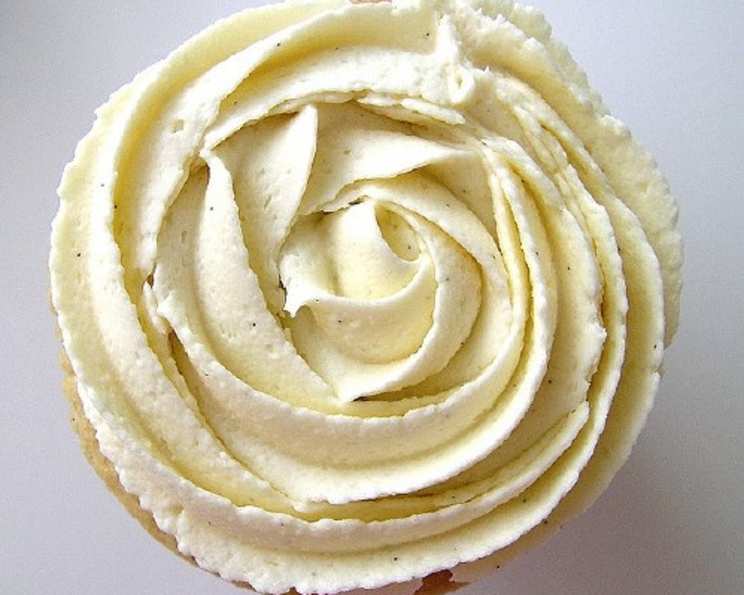
Mastering Martha’s Magic: Grand Marnier Italian Buttercream
I remember the first time I tasted Italian buttercream. It was at a small bakery in Little Italy, the kind with flour dusting every surface and the aroma of warm sugar hanging heavy in the air. I ordered a simple vanilla cupcake, but the frosting… the frosting was unlike anything I’d ever experienced. Silky smooth, intensely flavored, and not cloyingly sweet. It was a revelation. Years later, when I stumbled upon Martha Stewart’s Grand Marnier Italian Buttercream recipe, I knew I had to recreate that magic in my own kitchen. And trust me, this recipe delivers.
Recipe Overview
- Prep Time: 30 minutes
- Cook Time: 15 minutes
- Total Time: 45 minutes
- Servings: Varies based on use
- Yield: Approximately 6 cups
- Dietary Type: Not specified, contains dairy and eggs
Ingredients
- 2 cups sugar
- ⅔ cup water
- 6 egg whites
- 1 pinch salt
- ¼ teaspoon cream of tartar
- 1 ¼ lbs (5 sticks) butter, softened
- 1 teaspoon vanilla extract
- 3 tablespoons Grand Marnier
Equipment Needed
- Saucepan
- Candy thermometer
- Standing mixer with whisk attachment
- Mixing bowl
- Rubber spatula
Instructions
-
In a saucepan, combine the sugar and water. Bring to a boil over medium-high heat. Initially, cover the saucepan and let it boil for 3-5 minutes, which allows the sugar to fully dissolve without crystallization. After this initial covered period, remove the lid and continue boiling the syrup until it reaches 238°F (114°C) on a candy thermometer, which is the soft-ball stage. This is crucial for achieving the right consistency of the meringue.
-
While the sugar syrup is cooking, prepare the egg whites. In the bowl of a standing mixer fitted with the whisk attachment, place the egg whites. Begin beating on low speed until they become foamy. This slow start helps to create a stable base for the meringue.
-
Once the egg whites are foamy, add the salt and cream of tartar. The salt enhances the flavor, while the cream of tartar acts as a stabilizer, preventing the egg whites from collapsing and helping them achieve maximum volume. Increase the mixer speed to medium-high and continue beating until the egg whites form stiff, but not dry, peaks. It’s essential not to overbeat at this stage, as overbeaten egg whites can become grainy and difficult to incorporate smoothly into the buttercream.
-
When the sugar syrup reaches 240°F (116°C), carefully pour approximately ¼ cup of the hot syrup into the egg white mixture. With the mixer running on low speed, slowly drizzle the remaining syrup into the egg whites in a thin, steady stream. Be careful to avoid splattering.
-
Once all the syrup has been added, increase the mixer speed to high and beat for 8-12 minutes, or until the bowl is no longer hot to the touch and the meringue has cooled significantly. This cooling process is vital, as adding the butter while the meringue is still warm will cause it to melt and result in a soupy buttercream.
-
While the meringue is cooling, prepare the butter. In a separate bowl, cream the softened butter using a mixer until it is light and fluffy. This typically takes 3 to 5 minutes. Ensure the butter is truly softened but still cool; if it’s too warm, it will also melt the meringue.
-
Once the meringue has cooled and the butter is creamed, begin adding the butter to the meringue, a little at a time, while the mixer is running on medium speed. Continue beating until all of the butter has been incorporated.
-
After all of the butter is mixed, beat in the vanilla extract and Grand Marnier. Mix until well combined and the buttercream is smooth and creamy.
-
If the icing appears curdled or separated at any point during the process, don’t panic! Continue beating on medium speed. The emulsion may break temporarily, but usually, with continued beating, the buttercream will come back together and become smooth. If the buttercream seems too warm, chilling it briefly in the refrigerator (about 15-20 minutes) before resuming beating can also help.
-
Use the Grand Marnier Italian Buttercream immediately.
Expert Tips & Tricks
- Temperature is Key: The success of Italian buttercream hinges on temperature control. Make sure the syrup reaches the correct temperature, and that the meringue is cool enough before adding the butter.
- Softened Butter, Not Melted: The butter should be soft enough to cream easily, but still cool to the touch. If it’s too melted, it will cause the buttercream to be soupy.
- Patience is a Virtue: Don’t rush the cooling process of the meringue. It may take longer than you expect, but it’s crucial for achieving the right consistency.
- Flavor Boost: For a more intense Grand Marnier flavor, consider adding a tablespoon of Grand Marnier zest along with the liquid.
- Troubleshooting: If the buttercream is too soft, chill it for a short period and then re-whip. If it’s too stiff, add a tablespoon of milk or cream and re-whip.
Serving & Storage Suggestions
This Grand Marnier Italian Buttercream is incredibly versatile. It’s the perfect frosting for cakes, cupcakes, and cookies. It can also be used as a filling for macarons or pastries.
- Serving: Frost your cakes and cupcakes as desired, and decorate with sprinkles, fresh fruit, or chocolate shavings. For a professional look, use a piping bag fitted with your favorite tip.
- Storage: Leftover buttercream can be stored in an airtight container in the refrigerator for up to a week. Before using, let it come to room temperature and then re-whip it with a mixer until it’s smooth and creamy again. The buttercream can also be frozen for up to 3 months. Thaw it overnight in the refrigerator and then re-whip it before using.
Nutritional Information
| Nutrient | Amount per Serving | % Daily Value |
|---|---|---|
| Calories | 358 kcal | N/A |
| Calories from Fat | 259 kcal | N/A |
| Total Fat | 28.8 g | 44% |
| Saturated Fat | 18.2 g | 91% |
| Cholesterol | 76.3 mg | 25% |
| Sodium | 284.1 mg | 11% |
| Total Carbohydrate | 25.2 g | 8% |
| Dietary Fiber | 0 g | 0% |
| Sugars | 25.1 g | N/A |
| Protein | 1.6 g | 3% |
Please note that the exact nutritional information can vary based on specific ingredient brands and portion sizes.
Variations & Substitutions
- Extract Variations: Swap the vanilla extract and Grand Marnier for other extracts like almond, lemon, or peppermint to customize the flavor.
- Liqueur Alternatives: If you don’t have Grand Marnier, try using another orange-flavored liqueur like Cointreau or Triple Sec. You can also use a non-alcoholic orange extract for a kid-friendly version.
- Chocolate Buttercream: Melt some high-quality chocolate and let it cool slightly before adding it to the buttercream.
- Berry Buttercream: Add a puree of fresh berries (like raspberries or strawberries) to the buttercream for a fruity twist.
FAQs (Frequently Asked Questions)
Q: Why is my buttercream grainy?
A: This is usually due to undissolved sugar. Make sure the sugar is fully dissolved in the water when making the syrup. Also, avoid overbeating the egg whites.
Q: My buttercream looks curdled, what do I do?
A: Don’t panic! It likely means the temperature is off. Continue beating the buttercream. If it’s too warm, chill it briefly and then re-whip. If it’s too cold, let it warm slightly and re-whip.
Q: Can I make this buttercream ahead of time?
A: Yes, you can. Store it in the refrigerator for up to a week or freeze it for up to 3 months. Be sure to re-whip it before using.
Q: Can I use salted butter instead of unsalted?
A: While unsalted butter is recommended for most baking recipes for better control of salt levels, you can use salted butter. Simply omit the pinch of salt added to the egg whites.
Q: What kind of cake is this best for?
A: Grand Marnier Italian Buttercream pairs beautifully with vanilla cake, chocolate cake, almond cake, or any cake with citrus notes. Its sophisticated flavor elevates any dessert.
Final Thoughts
This Grand Marnier Italian Buttercream is more than just a frosting; it’s an experience. The delicate balance of flavors, the silky-smooth texture, and the touch of sophistication from the Grand Marnier make it a truly special treat. Don’t be intimidated by the slightly more involved process compared to simpler buttercream recipes – the results are well worth the effort. I encourage you to try this recipe and bring a touch of Martha’s magic to your own kitchen. Share your creations and feedback, and let’s celebrate the art of delicious, beautifully frosted desserts together! This buttercream would be incredible paired with a dark chocolate cake, the bitterness of the chocolate balancing the sweet, citrusy buttercream perfectly.