
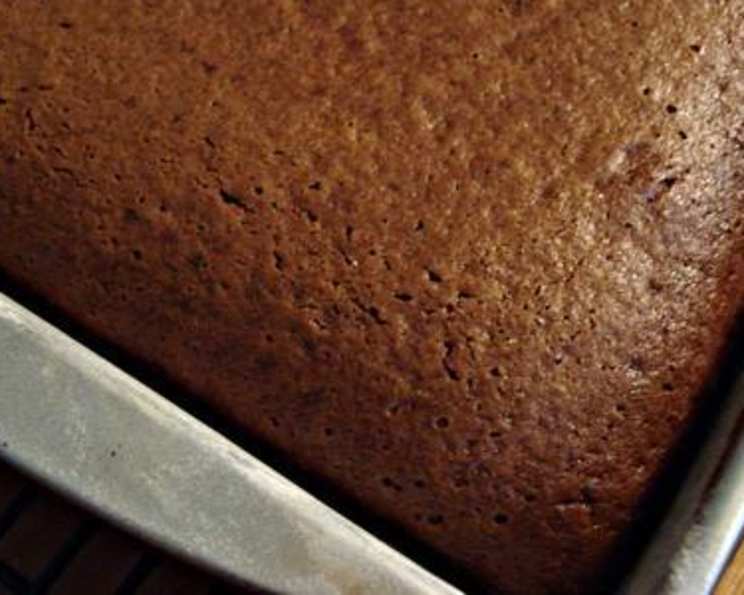
Mary Ball Washington’s Gingerbread: A Taste of History
The aroma of gingerbread always transports me back to my grandmother’s kitchen during the holidays. The warmth radiating from the oven, the fragrant spices mingling in the air, and the anticipation of that first bite of soft, molasses-infused goodness – it’s a sensory memory etched in my heart. While her recipe was a closely guarded family secret, baking Mary Ball Washington’s Gingerbread evokes a similar comforting feeling, a connection to a culinary tradition that spans generations.
Recipe Overview
- Prep Time: 20 minutes
- Cook Time: 45-50 minutes
- Total Time: 1 hour 10 minutes
- Servings: 16
- Yield: 1 (13×9 inch) pan
- Dietary Type: (See Variations section for modifications)
Ingredients
- 3 cups all-purpose flour (sifted)
- 2 tablespoons ginger
- 1 1⁄2 teaspoons cinnamon
- 1 1⁄2 teaspoons nutmeg
- 1 1⁄2 teaspoons mace
- 1 teaspoon cream of tartar
- 1⁄2 teaspoon salt
- 1 cup raisins
- 4 ounces unsalted butter
- 1⁄4 cup dark brown sugar, firmly packed
- 1 cup dark molasses
- 1⁄2 cup honey
- 1⁄4 cup brandy or 1/4 cup sherry wine
- 1⁄2 cup milk
- 3 large eggs (beaten)
- 1⁄4 cup orange juice (reserve rind before squeezing oranges)
- 1 teaspoon baking soda
- 2 tablespoons warm water
Equipment Needed
- 13×9 inch baking pan
- Aluminum foil
- Electric mixer
- Large mixing bowl
- Sifter
- Strainer
- Paper towels
- Cookie sheet
- Large cooling rack
- Grater or zester
Instructions
- Preheat your oven to 350°F (175°C).
- Line a 13×9 inch pan with aluminum foil, ensuring the foil covers the sides of the pan as well as the bottom. This will make removing the gingerbread much easier.
- Butter the foil generously. This prevents sticking and adds a subtle richness to the edges of the gingerbread. Set the prepared pan aside.
- In a large bowl, sift together the flour, ginger, cinnamon, nutmeg, mace, cream of tartar, and salt. Sifting is crucial for incorporating air and preventing lumps, resulting in a lighter, more tender gingerbread. Set the dry ingredients aside.
- In a separate bowl, cover the raisins with boiling water and let them stand for 5 minutes. This plumps the raisins, making them softer and juicier in the final product.
- Drain the raisins in a strainer and then spread them on paper towels to dry thoroughly. Excess moisture can affect the texture of the gingerbread.
- In a large bowl with an electric mixer, cream the butter until soft and fluffy. This incorporates air and creates a light base for the batter.
- Add the brown sugar and beat to mix until well combined. Ensure the sugar is fully incorporated into the butter for a smooth texture.
- Add the molasses and honey and beat well. The molasses and honey provide moisture, sweetness, and the characteristic flavor of gingerbread.
- Gradually add the sifted dry ingredients in three additions, alternating with the brandy (or sherry) and milk in one addition, and the eggs and orange juice in the other addition. Beating well after each addition to ensure the ingredients are evenly distributed. This prevents overmixing, which can result in a tough gingerbread.
- In a small bowl, dissolve the baking soda in the warm water and mix it into the batter. The baking soda reacts with the acidity of the molasses, creating carbon dioxide that helps the gingerbread rise.
- Remove the bowl from the mixer and gently stir in the grated orange rind and raisins by hand. Be careful not to overmix at this stage, as this can develop the gluten in the flour and make the gingerbread tough.
- Turn the batter into the prepared pan and smooth the top with a spatula.
- Bake for 45-50 minutes, or until the top springs back when lightly touched. The baking time may vary depending on your oven, so check for doneness by inserting a toothpick into the center of the gingerbread. If the toothpick comes out clean or with just a few moist crumbs, the gingerbread is done.
- Let the cake cool in the pan for 10 minutes.
- Then, cover the pan with a cookie sheet, invert the pan, remove the pan, peel off the foil, cover with a large rack, and turn the gingerbread so it finishes cooling right-side up. This prevents the gingerbread from sticking and allows it to cool evenly.
Expert Tips & Tricks
- Spice it up: For a more intense flavor, toast the whole spices (ginger, cinnamon, nutmeg, mace) lightly in a dry pan before grinding and adding them to the flour. This releases their essential oils and intensifies their aroma and flavor.
- Molasses matters: Using a high-quality dark molasses will greatly enhance the flavor. Avoid using blackstrap molasses, as its bitterness can be overpowering.
- Prevent sticking: Even with the foil lining, sometimes gingerbread can stick. Ensure you butter the foil generously and allow the gingerbread to cool completely before inverting.
- Make ahead: The gingerbread can be made a day ahead and stored at room temperature, tightly wrapped. The flavors will meld and deepen overnight.
Serving & Storage Suggestions
Mary Ball Washington’s Gingerbread is delicious served warm or at room temperature. It pairs perfectly with a dollop of whipped cream, a scoop of vanilla ice cream, or a drizzle of lemon sauce. You can also dust it with powdered sugar for a festive touch.
To store leftovers, wrap the gingerbread tightly in plastic wrap or store it in an airtight container at room temperature for up to 3 days. For longer storage, you can freeze it for up to 2 months. Thaw the gingerbread overnight in the refrigerator before serving. To reheat, wrap a slice in foil and warm it in a 350°F (175°C) oven for about 5-10 minutes, or until heated through. You can also microwave individual slices for a few seconds.
Nutritional Information
| Nutrient | Amount per Serving | % Daily Value |
|---|---|---|
| Calories | 302.9 kcal | N/A |
| Calories from Fat | 66g | 22% |
| Total Fat | 7.4 g | 11% |
| Saturated Fat | 4.2 g | 21% |
| Cholesterol | 51.2 mg | 17% |
| Sodium | 180.4 mg | 7% |
| Total Carbohydrate | 54.7 g | 18% |
| Dietary Fiber | 1.3 g | 5% |
| Sugars | 29.6 g | 118% |
| Protein | 4.3 g | 8% |
Note: Nutritional information is an estimate and may vary based on specific ingredients and serving sizes.
Variations & Substitutions
- Gluten-Free: Substitute the all-purpose flour with a gluten-free blend. Ensure the blend contains xanthan gum or add 1 teaspoon of xanthan gum to the dry ingredients to provide structure.
- Dairy-Free: Replace the unsalted butter with a plant-based butter alternative. Use a plant-based milk alternative such as almond, soy, or oat milk in place of cow’s milk.
- Egg-Free: Substitute each egg with a “flax egg” (1 tablespoon of ground flaxseed mixed with 3 tablespoons of water, let sit for 5 minutes to thicken).
- Spice Variations: Adjust the spices to your liking. Cardamom, cloves, and allspice can be added for a more complex flavor profile.
- Booze-Free: Replace the brandy or sherry with apple cider or strong brewed coffee for a non-alcoholic version.
- Nutty Addition: Add chopped walnuts or pecans to the batter for added texture and flavor.
FAQs (Frequently Asked Questions)
Q: Can I use a different size pan?
A: Yes, but the baking time will need to be adjusted. A smaller pan will require a longer baking time, while a larger pan will require a shorter baking time. Watch the gingerbread closely and test for doneness.
Q: Can I use fresh ginger instead of ground ginger?
A: Yes, but you’ll need to adjust the amount. Start with 1 tablespoon of finely grated fresh ginger and adjust to taste.
Q: What can I use if I don’t have cream of tartar?
A: Cream of tartar helps to prevent the gingerbread from becoming too chewy. If you don’t have it on hand, you can omit it, but the texture may be slightly different.
Q: My gingerbread is dry. What did I do wrong?
A: Overbaking is the most common cause of dry gingerbread. Be sure to check for doneness regularly and avoid overbaking. Also, ensure accurate measurement of ingredients, especially flour.
Q: Can I frost this gingerbread?
A: Absolutely! A simple powdered sugar glaze or a cream cheese frosting would be delicious.
Final Thoughts
Mary Ball Washington’s Gingerbread is more than just a recipe; it’s a connection to the past, a taste of history, and a reminder of the simple pleasures of home baking. I encourage you to try this recipe and experience the warmth and comforting flavors of this classic treat. Whether you’re baking it for a special occasion or simply to enjoy a cozy afternoon, I hope this gingerbread brings you as much joy as it has brought me. Share your baking experiences and feedback – I’d love to hear how it turns out for you!