
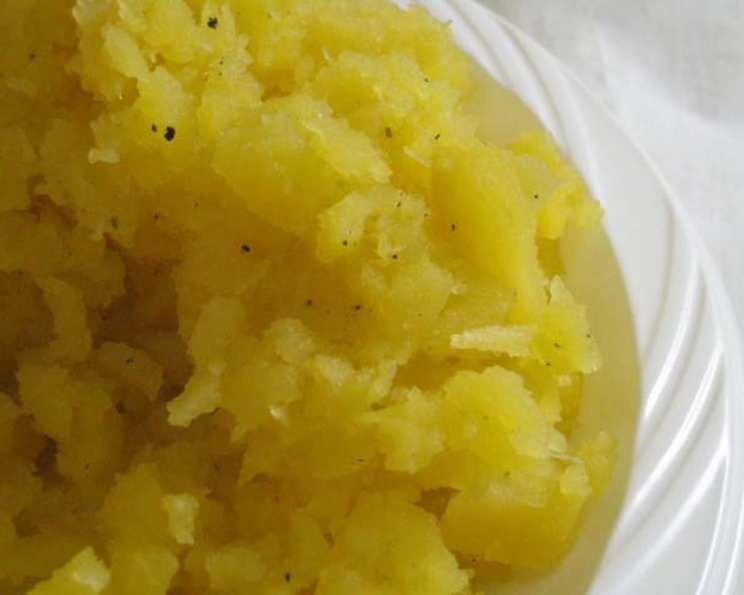
Mashed Rutabaga – A Taste of Norway
The first time I tasted mashed rutabaga, I was nestled in a small cabin in Norway, the scent of woodsmoke and pine filling the air. The dish, served alongside a hearty roast venison, was surprisingly comforting – earthy, slightly sweet, and wonderfully smooth. It was a revelation; a humble root vegetable elevated to something truly special, a testament to the simple, honest flavors of Nordic cuisine. To this day, the memory of that warm meal on a chilly evening remains a cherished culinary moment.
Recipe Overview
- Prep Time: 15 minutes
- Cook Time: 20-30 minutes
- Total Time: 35-45 minutes
- Servings: 2-4
- Dietary Type: Vegetarian
Ingredients
- 1 large rutabaga
- 2 tablespoons butter
- 1/4 cup milk or 1/4 cup meat stock
- Salt to taste
- Pepper to taste
Equipment Needed
- Large pot
- Peeler
- Knife
- Potato masher or ricer
Instructions
- Begin by preparing the rutabaga. Using a peeler, carefully remove the outer skin. Rutabagas can have a thick, waxy skin, so a sharp peeler is helpful.
- Next, using a sharp knife, cut the peeled rutabaga into smaller, roughly 1-inch pieces. This will ensure even cooking.
- Place the rutabaga pieces into a large pot and cover them with lightly salted water. The water should completely submerge the vegetable.
- Bring the water to a boil over high heat. Once boiling, reduce the heat to medium and let the rutabaga simmer until tender. This usually takes about 20-30 minutes. You can check for doneness by piercing a piece of rutabaga with a fork; it should be easily pierced and yield to gentle pressure.
- Once the rutabaga is tender, carefully drain it in a colander, discarding the cooking water (though remember to save some for gravy if you are roasting meat).
- Return the drained rutabaga to the pot. While the rutabaga is still hot, add the 2 tablespoons of butter, salt and pepper to taste, and 1/4 cup of milk (or meat stock if preferred).
- Using a potato masher or a ricer, mash the rutabaga until smooth. If you prefer a creamier texture, you can use an immersion blender or a regular blender, but be careful not to over-blend, as this can result in a gluey texture.
- Taste and adjust the seasoning as needed. You may want to add more salt, pepper, or a touch more butter to enhance the flavor.
- Serve immediately while hot.
Expert Tips & Tricks
- Even Cooking: Cutting the rutabaga into uniform pieces is crucial for even cooking. Aim for roughly the same size for all pieces.
- The Right Mash: Avoid over-mashing. A little texture is good! Overworking the rutabaga can make it gummy.
- Flavor Boost: Consider adding a pinch of nutmeg or a clove of minced garlic for an extra layer of flavor.
- Make-Ahead Prep: The rutabaga can be peeled and cut a day in advance and stored in the refrigerator covered in water. This will save time on the day you plan to cook it.
- Creamy Texture: For a truly luxurious texture, use heavy cream instead of milk.
Serving & Storage Suggestions
Mashed rutabaga is best served hot and fresh. It makes an excellent side dish to roasted meats, especially pork, venison, or lamb. It can also be served alongside sausages or as a vegetarian accompaniment to stews and casseroles.
To store leftovers, allow the mashed rutabaga to cool completely before transferring it to an airtight container. It can be stored in the refrigerator for up to 3 days. To reheat, microwave in short intervals, stirring in between, or gently warm in a saucepan over low heat, adding a splash of milk or stock if needed to restore moisture.
Mashed rutabaga can also be frozen for longer storage. Thaw overnight in the refrigerator before reheating. Be aware that the texture may change slightly after freezing.
Nutritional Information
| Nutrient | Amount per Serving | % Daily Value |
|---|---|---|
| Calories | 150 kcal | 8% |
| Total Fat | 7g | 11% |
| Saturated Fat | 4g | 20% |
| Cholesterol | 20mg | 7% |
| Sodium | 100mg | 4% |
| Total Carbohydrate | 20g | 7% |
| Dietary Fiber | 5g | 20% |
| Sugars | 5g | – |
| Protein | 2g | 4% |
Nutritional information is an estimate and may vary based on specific ingredients and portion sizes.
Variations & Substitutions
- Vegan Version: Substitute the butter with a plant-based butter alternative and use almond milk, soy milk, or oat milk instead of dairy milk. Vegetable broth can also be used.
- Sweet Potato Mash Hybrid: Combine equal parts rutabaga and sweet potato for a sweeter, more colorful mash.
- Herbed Rutabaga: Add fresh herbs like thyme, rosemary, or sage to the mash for an aromatic twist.
- Spiced Rutabaga: Include a pinch of ground ginger or cinnamon for a warm, spiced flavor.
- Roasted Garlic Infusion: Roast a head of garlic and mash the cloves into the rutabaga for a rich, savory flavor.
FAQs (Frequently Asked Questions)
Q: Can I use a food processor instead of a masher?
A: While a food processor can be used, be cautious not to over-process the rutabaga, which can result in a gummy texture. Pulse gently until just combined.
Q: How do I know if the rutabaga is cooked enough?
A: The rutabaga is done when it can be easily pierced with a fork and feels tender throughout.
Q: Can I add other vegetables to the mash?
A: Absolutely! Carrots, parsnips, or turnips can be added to the rutabaga for a more complex flavor profile.
Q: What can I do if my mash is too watery?
A: If your mash is too watery, gently simmer it over low heat for a few minutes to allow some of the excess moisture to evaporate, stirring constantly.
Q: Can I make this dish ahead of time?
A: Yes, you can prepare the mashed rutabaga ahead of time and reheat it gently when ready to serve. Store it in an airtight container in the refrigerator for up to 3 days.
Final Thoughts
Mashed rutabaga is more than just a side dish; it’s a taste of tradition, a comforting reminder of simple, wholesome flavors. I encourage you to try this recipe and experience the unique, earthy sweetness of this humble root vegetable. Feel free to experiment with different variations and seasonings to create a dish that perfectly suits your taste. Serve it alongside your favorite roasted meats or enjoy it as a satisfying vegetarian option. Don’t be afraid to share your feedback and culinary creations; happy cooking!