
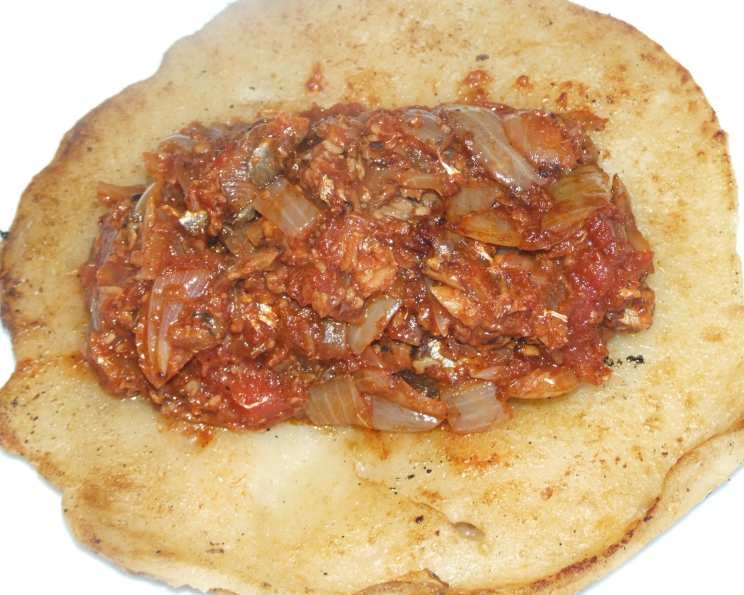
Denise’s Mauritian Roti with Savory Fish Sauce: A Taste of Paradise
The first time I tasted roti, I was miles away from Mauritius, tucked into a tiny kitchen in London. My friend Denise, a whirlwind of energy and spice, had promised me a taste of home. She hummed a Creole tune as she expertly flipped the delicate pancakes, the air filling with the intoxicating aroma of frying dough and her uniquely delicious fish sauce. That first bite—the soft, flaky roti yielding to the savory, umami-rich sauce—was an explosion of flavor that transported me to sun-drenched beaches and bustling markets. It was more than just a meal; it was a story, a memory, a piece of Denise’s heart shared through food.
Recipe Overview
- Prep Time: 30 minutes
- Cook Time: 1 hour
- Total Time: 1 hour 30 minutes
- Servings: 4-6
- Yield: 6-8 Rotis
- Dietary Type: Not Vegetarian
Ingredients
For the Roti:
- 2-3 cups plain flour
- 1 pinch salt
- Hot water, to achieve dough consistency
- 2 teaspoons butter or 2 teaspoons margarine
- Oil, for brushing and frying
For the Fish Sauce:
- 2 medium onions, diced
- 1 clove garlic, crushed
- 2 diced peeled tomatoes (from approximately half a 425g can)
- 1 can mackerel in tomato sauce (available at Asian food shops)
Equipment Needed
- Large mixing bowl
- Rolling pin
- Frying pan or skillet
- Spatula
- Bowl for storing cooked roti
Instructions
-
Prepare the Roti Dough: In a large mixing bowl, combine the flour and salt. Add the butter or margarine. Gradually add hot water, mixing continuously, until a dough forms that pulls away from the sides of the bowl. Be cautious not to add too much water – the dough should be pliable but not sticky.
-
Knead the Dough: Turn the dough out onto a lightly floured surface and knead for about 5-7 minutes until smooth and elastic. This is crucial for achieving the right texture. The consistency of the dough is key to perfect roti; it should be soft and supple, neither too dry nor too wet.
-
Rest the Dough: Cover the dough with a damp cloth or plastic wrap and let it rest for at least 30 minutes. This allows the gluten to relax, making the dough easier to roll out.
-
Shape the Roti: Divide the dough into 6-8 equal portions. Roll each portion into a ball. On a lightly floured surface, roll each ball into a thin, roughly crepe-sized circle.
-
Laminate the Roti: Brush the surface of the rolled-out dough generously with oil. Fold the roti into a small square or rectangle, creating layers. Brush the folded “package” with oil again. This layering technique creates the characteristic flaky texture of roti.
-
Re-Roll the Roti: Roll the oiled and folded dough out again into a thin, crepe-sized circle. Be gentle to avoid tearing the dough, but ensure it is thin enough for even cooking.
-
Fry the Roti: Heat a frying pan or skillet over medium heat. Lightly oil the pan. Carefully place the rolled-out roti in the hot pan.
-
Cook the Roti: Cook the roti for 2-3 minutes per side, or until golden brown and slightly puffy. Ensure both sides are evenly cooked and have a slightly browned color. This is not deep frying; you’re aiming for a lightly browned surface.
-
Keep Warm: As each roti is cooked, place it in a bowl and cover it with a clean kitchen towel to keep it warm and soft. Repeat the process with the remaining “packages” of dough.
-
Prepare the Fish Sauce: While the roti is resting and cooking, prepare the fish sauce. In a separate pan, fry the diced onions and crushed garlic until softened and lightly browned. This step builds the foundation of the sauce’s flavor.
-
Add Tomatoes and Mackerel: Add the diced tomatoes and their juice to the pan. Stir in the entire can of mackerel in tomato sauce, including the sauce.
-
Simmer the Sauce: Reduce the heat to low and simmer the fish sauce for at least 20 minutes, or until the sauce has thickened and the flavors have melded together. Stir occasionally to prevent sticking. Taste and adjust seasoning as needed.
-
Serve: Serve the roti flat on a plate. Spoon a generous amount of the fish sauce into the middle of the roti. The eater then rolls their own roti around the sauce and enjoys.
Expert Tips & Tricks
- The key to a tender roti is to use hot, but not boiling, water for the dough. This helps to activate the gluten properly without overcooking it.
- Resting the dough is essential. Don’t skip this step, or your roti will be tough.
- Don’t be afraid to use plenty of oil when frying the roti. This is what gives it that lovely golden-brown color and crispy texture.
- If your roti tears while rolling, don’t worry! Just patch it up with a little extra dough.
- For a richer flavor in the fish sauce, add a pinch of chili flakes or a dash of hot sauce.
- If you don’t have mackerel, you can substitute it with other canned fish, such as sardines or tuna, although the flavor will be slightly different.
Serving & Storage Suggestions
Serve Mauritian roti with fish sauce immediately for the best flavor and texture. The warm roti paired with the savory sauce is a delightful combination.
Leftover roti can be stored in an airtight container at room temperature for up to 24 hours, or in the refrigerator for up to 3 days. Reheat in a dry pan or microwave until warm. The fish sauce should be stored in an airtight container in the refrigerator for up to 3 days. Reheat gently on the stovetop or in the microwave before serving.
Nutritional Information
| Nutrient | Amount per Serving | % Daily Value |
|---|---|---|
| Calories | 350 kcal | 18% |
| Total Fat | 18g | 28% |
| Saturated Fat | 7g | 35% |
| Cholesterol | 30mg | 10% |
| Sodium | 450mg | 19% |
| Total Carbohydrate | 40g | 13% |
| Dietary Fiber | 3g | 12% |
| Sugars | 5g | – |
| Protein | 10g | 20% |
Note: Nutritional information is an estimate and may vary based on specific ingredients and portion sizes.
Variations & Substitutions
- Gluten-Free Roti: Use a gluten-free flour blend suitable for flatbreads. You may need to adjust the amount of water to achieve the right consistency.
- Vegan Roti: Substitute the butter or margarine in the roti dough with a vegan butter alternative or vegetable oil.
- Spicier Fish Sauce: Add a chopped chili pepper or a pinch of cayenne pepper to the fish sauce for an extra kick.
- Vegetarian Option: Substitute the mackerel with cooked lentils or chickpeas for a vegetarian version of the sauce. Add a dash of smoked paprika to mimic the smoky flavor of the fish.
FAQs (Frequently Asked Questions)
Q: What is the key to making soft roti?
A: The key is in the dough! Ensure it’s not too dry or too wet, knead it well, and allow it to rest for at least 30 minutes to relax the gluten.
Q: Can I make the roti dough ahead of time?
A: Yes, you can prepare the dough and store it in the refrigerator for up to 24 hours. Bring it to room temperature before rolling it out.
Q: Can I use different types of oil for frying the roti?
A: Yes, you can use any neutral-flavored oil, such as vegetable oil, canola oil, or sunflower oil.
Q: What if I don’t have mackerel in tomato sauce?
A: You can substitute with other canned fish like sardines or tuna, although the flavor will be slightly different. You can also add a can of plain mackerel and a few tablespoons of tomato paste.
Q: How do I prevent the roti from becoming too dry?
A: Keep the cooked roti covered in a bowl with a clean kitchen towel to trap moisture and keep them soft.
Final Thoughts
Now it’s your turn to bring the vibrant flavors of Mauritius to your own kitchen. Don’t be intimidated by the process; with a little practice, you’ll be flipping perfect rotis in no time. Gather your ingredients, put on some music, and let the aromas transport you to a tropical paradise. I encourage you to try this recipe, make it your own, and share your culinary adventures with friends and family. Serve it with a refreshing glass of iced tea for a truly authentic Mauritian experience. Bon appétit!