
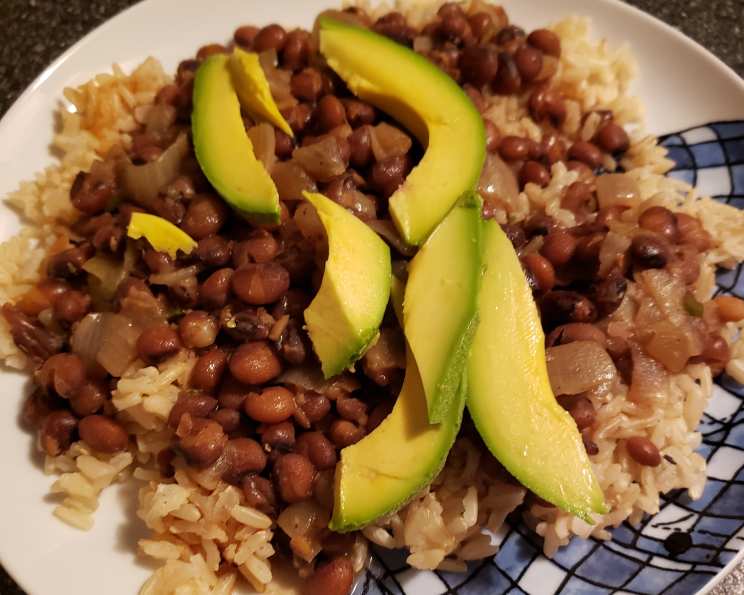
Mbaazi Wa Nazi: A Taste of the Swahili Coast
The aroma of coconut milk simmering with spices always transports me back to a small, open-air kitchen in Mombasa. My grandmother, a woman whose hands held generations of culinary wisdom, would be stirring a large pot of mbaazi wa nazi, the fragrant steam curling around her face like a gentle blessing. She’d let me sneak tastes with a piece of coconut shell, the creamy, slightly sweet, and subtly spicy flavor etching itself into my memory as the taste of home. The vibrant atmosphere, filled with the sounds of Swahili chatter and the sizzling of spices, remains a cherished culinary memory, inspiring me to share this beloved dish with you.
Recipe Overview
- Prep Time: 24 hours (soaking)
- Cook Time: 1 hour 5 minutes
- Total Time: 1 hour 29 minutes
- Servings: 4-6
- Yield: 4-6 servings
- Dietary Type: Vegan
Ingredients
- 1 lb dried pigeon peas (or black-eyed peas, yellow-eyed peas, or cowpeas), picked over for stones, cleaned, and soaked overnight
- 2-3 cups coconut milk
- Oil
- 1-2 onion, chopped
- 1 jalapeno, cleaned and chopped
- 1 teaspoon curry powder (or turmeric)
- Salt, to taste
Equipment Needed
- Large pot
- Skillet
Instructions
-
The night before you plan to cook, prepare the pigeon peas. Thoroughly rinse 1 pound of dried pigeon peas (or your chosen substitute) and ensure any stones or debris are removed. Place the cleaned peas in a large bowl and cover with plenty of fresh water. Allow them to soak overnight, or for at least 8 hours. Soaking softens the peas, significantly reducing cooking time and aiding digestion.
-
The next day, drain and rinse the soaked pigeon peas. Transfer them to a large pot and add enough fresh water to cover them generously.
-
Bring the pigeon peas to a boil over high heat. Once boiling, reduce the heat to low, cover the pot, and simmer gently. Continue simmering until the peas begin to become tender and most of the water has been absorbed. This will take approximately 30-45 minutes, depending on the age and variety of the peas. Keep an eye on the water level; add more if necessary to prevent the peas from drying out before they are tender.
-
Stir in 1 1/2 cups of coconut milk into the pot with the simmering pigeon peas. Continue to simmer over low heat, stirring occasionally to prevent sticking. Again, add more water as needed to maintain a slightly saucy consistency, but be careful not to dilute the flavor too much.
-
While the pigeon peas are simmering, prepare the aromatic base. Heat a few tablespoons of oil in a skillet over medium heat. Once the oil is hot, add 1 teaspoon of curry powder (or turmeric) and stir for about a minute, allowing the spices to bloom and release their fragrance. Be careful not to burn the spices; reduce the heat if necessary.
-
Add 1-2 chopped onions and 1 cleaned and chopped jalapeno (adjust the amount to your preference) to the skillet. Fry the onions and jalapeno until they are tender and lightly golden brown, about 5-7 minutes. The onions should be translucent and fragrant.
-
Combine the cooked pigeon peas and the onion-chile mixture. You can either add the onion-chile mixture to the pot of pigeon peas or add the pigeon peas to the skillet, whichever is more convenient. Stir well to ensure the flavors are evenly distributed.
-
Continue to simmer the mixture until the pigeon peas are tender enough to eat and have reached your desired consistency. Taste and adjust the seasoning with salt as needed.
-
Add the remaining coconut milk (about 1/2 to 1 1/2 cups, depending on your preference) to the pot. Simmer on the lowest possible heat for another 5-10 minutes, stirring occasionally. This final simmer allows the coconut milk to meld with the other flavors and creates a rich, creamy sauce. Be careful not to boil the coconut milk, as it can sometimes curdle.
-
Serve the mbaazi wa nazi hot, traditionally with Chapati, rice, or Ugali.
Expert Tips & Tricks
- Soaking is Key: Don’t skip the overnight soaking! It significantly reduces cooking time and improves the texture of the pigeon peas.
- Spice it Up (or Down): Adjust the amount of jalapeno to suit your spice preference. For a milder dish, remove the seeds and membranes from the jalapeno before chopping.
- Fresh vs. Dried: While dried pigeon peas are traditional, you can use canned pigeon peas for a quicker meal. If using canned, reduce the initial simmering time to about 15-20 minutes, or until heated through. Add the coconut milk and other ingredients as directed.
- Coconut Milk Quality: The quality of your coconut milk can impact the flavor. Use full-fat coconut milk for the richest, creamiest results.
- Make Ahead: Mbaazi wa nazi can be made a day or two in advance. The flavors actually meld and deepen over time. Simply store in an airtight container in the refrigerator and reheat gently before serving.
Serving & Storage Suggestions
Serve mbaazi wa nazi hot as a main course or a flavorful side dish. It pairs beautifully with Chapati (a type of flatbread), fluffy rice, or traditional Ugali (a stiff maize porridge). Garnish with fresh cilantro or a sprinkle of shredded coconut for added visual appeal.
Leftovers can be stored in an airtight container in the refrigerator for up to 3-4 days. To reheat, gently warm on the stovetop over low heat, adding a splash of water or coconut milk if needed to prevent drying. You can also reheat in the microwave, but be sure to stir occasionally to ensure even heating. Freezing is not recommended as the coconut milk may separate upon thawing.
Nutritional Information
| Nutrient | Amount per Serving | % Daily Value |
|---|---|---|
| Calories | 450 kcal | 23% |
| Total Fat | 25g | 38% |
| Saturated Fat | 20g | 100% |
| Cholesterol | 0mg | 0% |
| Sodium | 100mg | 4% |
| Total Carbohydrate | 50g | 17% |
| Dietary Fiber | 15g | 60% |
| Sugars | 10g | N/A |
| Protein | 15g | 30% |
Nutritional information is an estimate and may vary based on specific ingredients and preparation methods.
Variations & Substitutions
- Spice Level: Adjust the amount of jalapeno or add a pinch of cayenne pepper for a spicier kick.
- Vegetables: Add other vegetables like diced tomatoes, bell peppers, or spinach for added nutrients and flavor. Stir them in during the final simmering stage.
- Protein Boost: For a heartier meal, add cooked chickpeas or lentils.
- Coconut Cream: Substitute some of the coconut milk with coconut cream for an even richer, more decadent dish.
- Different Legumes: While pigeon peas are traditional, black-eyed peas, cowpeas, or even lentils can be used for a similar, though not identical, result.
FAQs (Frequently Asked Questions)
Q: Can I use canned pigeon peas instead of dried?
A: Yes, you can! Just reduce the initial simmering time significantly. Simply heat them through before adding the coconut milk and other ingredients.
Q: How do I prevent the coconut milk from curdling?
A: Simmer on the lowest possible heat and avoid boiling the coconut milk. Stir gently and frequently during the final simmering stage.
Q: What if I don’t have curry powder?
A: You can use turmeric as a substitute, though the flavor will be slightly different. You can also create your own curry powder blend using spices like cumin, coriander, turmeric, and chili powder.
Q: Can I freeze this dish?
A: Freezing is not recommended, as the coconut milk may separate upon thawing, affecting the texture.
Q: What is Ugali?
A: Ugali is a staple food in many African countries, particularly in East Africa. It is a stiff porridge made from maize flour (cornmeal) and water, cooked until it reaches a dough-like consistency.
Final Thoughts
I truly hope this recipe for mbaazi wa nazi brings a taste of the Swahili coast to your table. It’s a simple yet incredibly flavorful dish, perfect for a weeknight meal or a special occasion. Don’t be afraid to experiment with the spices and adapt the recipe to your own preferences. Share this dish with loved ones and let the warmth of the coconut milk and the fragrant spices transport you to a sun-drenched kitchen in Mombasa. Bon appétit, or as they say in Swahili, furahia mlo wako!