
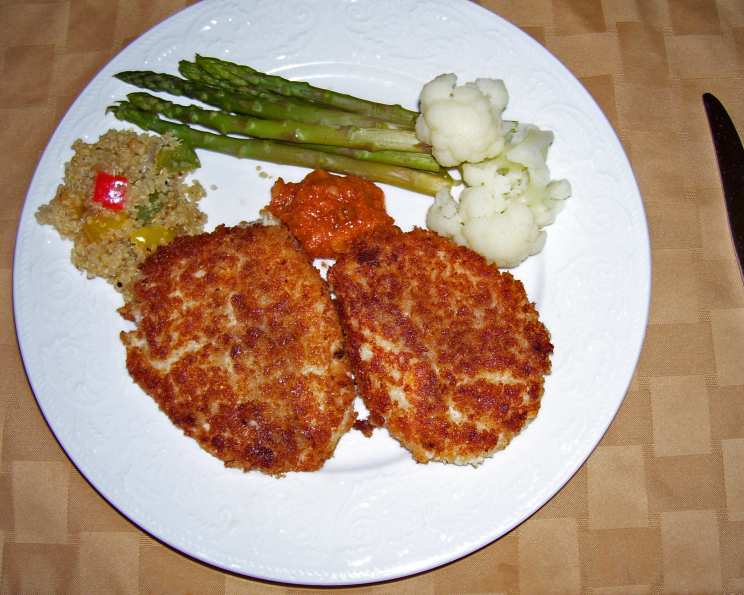
McClellanville Lump Crab Cakes: A Taste of the Lowcountry
The first time I tasted a truly exceptional crab cake was at a small, unassuming oyster bar right off the coast near McClellanville, South Carolina. The salty air mingled with the sweet scent of the ocean and the faint aroma of frying seafood. It wasn’t just the taste – the delicate, sweet crab perfectly balanced with a hint of spice – but the whole experience: the friendly chatter of the locals, the sunset painting the sky in vibrant hues, and the feeling of being completely immersed in the Lowcountry’s unique culinary culture. Ever since then, I’ve been on a quest to recreate that perfect crab cake.
Recipe Overview
- Prep Time: 20 minutes
- Cook Time: 4 minutes
- Total Time: 24 minutes
- Servings: 6-12
- Yield: 6 large or 12 small crab cakes
- Dietary Type: Pescatarian
Ingredients
- 1 cup best quality mayonnaise
- 1 egg white
- ¼ teaspoon cayenne pepper
- ¼ teaspoon seafood seasoning
- ¼ teaspoon Coleman’s dry mustard or ¼ teaspoon spicy Dijon mustard
- 2 tablespoons fresh lemon juice
- 3 tablespoons extra fine cracker meal
- 1 lb large lump crabmeat, gently picked over to remove any shell without breaking up the big pieces of crab
- 1 ½ cups fresh white breadcrumbs, made in a food processor from plain grocery-store fresh white bread, crusts cut off
- ¼ cup peanut oil
- 2 tablespoons unsalted butter
Equipment Needed
- Small bowl
- Whisk
- Food processor
- Platter
- Wax paper
- Plastic wrap
- Heavy-bottomed sauté pan
- Paper towels
Instructions
- In a small bowl, whisk together the mayonnaise and egg white until they are well blended. This will form the base of your binding mixture.
- Add the cayenne pepper, seafood seasoning, dry mustard (or Dijon mustard), lemon juice, and cracker meal to the mayonnaise mixture. Whisk until everything is thoroughly combined and smooth. The cracker meal will help to absorb some of the moisture and create a creamier texture.
- Gently fold in the crabmeat. Be careful not to overmix, as you want to keep the large lumps of crab intact. Overmixing will result in a mushy crab cake, which we definitely want to avoid. Handle the crab with care.
- Divide the mixture into 6 equal parts of 4 ounces each (for larger crab cakes), or 12 equal parts of 2 ounces each (for smaller, appetizer-sized crab cakes).
- Gently pat each portion into a round, cake-like shape. Be gentle; you’re not trying to compact them, just give them a uniform shape.
- Gently coat each crab cake with the fresh breadcrumbs, ensuring they are evenly covered. Press lightly so the breadcrumbs adhere well.
- Place the breaded crab cakes on a platter lined with wax paper.
- Cover the platter with plastic wrap and refrigerate for at least 1 hour, or until you are ready to cook them. This chilling time allows the crab cakes to firm up and helps them hold their shape during cooking. You can even prepare them a few hours in advance.
- When you’re ready to serve, heat the peanut oil and butter in a heavy-bottomed sauté pan over medium-high heat. The combination of oil and butter provides both a high smoke point and a rich flavor. Make sure the pan is hot before adding the crab cakes.
- Sauté the 4-ounce crab cakes for 1 minute and 45 seconds on each side, turning only once. For the 2-ounce crab cakes, sauté them for 1 minute and 15 seconds on each side, turning only once. The crab cakes should be nicely browned on the outside, but still very moist and creamy on the inside.
- When the crab cakes are cooked through and golden brown, remove them from the pan and drain them briefly on paper towels to remove any excess oil.
- Serve the crab cakes immediately. You can also keep them warm in a 200°F oven for up to 15 minutes, but be careful not to overcook them, as they will dry out.
Expert Tips & Tricks
- Don’t overmix: This is the cardinal rule of crab cakes. Overmixing breaks down the delicate crabmeat and results in a dense, rubbery texture.
- Use the best quality crabmeat you can find: This recipe is all about the crab, so splurging on high-quality lump crabmeat is worth it.
- Chilling is key: Chilling the crab cakes before cooking helps them hold their shape and prevents them from falling apart in the pan.
- Don’t overcrowd the pan: Cook the crab cakes in batches to ensure they brown evenly. Overcrowding the pan will lower the temperature and result in steamed crab cakes instead of beautifully browned ones.
- Adjust the spice: If you prefer a milder flavor, reduce the amount of cayenne pepper. For a spicier kick, add a pinch of red pepper flakes.
- Make your own breadcrumbs: Fresh breadcrumbs made from good quality white bread make a huge difference in texture. Simply pulse the bread in a food processor until you have coarse crumbs.
- Pan sauce magic: After removing the crab cakes from the pan, deglaze it with a splash of white wine or lemon juice to create a quick and flavorful pan sauce.
Serving & Storage Suggestions
Serve these McClellanville Lump Crab Cakes immediately while they are warm and crispy. They are delicious on their own with a squeeze of fresh lemon juice or served with a side of remoulade sauce or tartar sauce. They also pair well with a fresh salad, grilled asparagus, or roasted potatoes.
Leftover crab cakes can be stored in an airtight container in the refrigerator for up to 2 days. To reheat, gently warm them in a 350°F oven for about 10-15 minutes, or until heated through. You can also reheat them in a skillet over low heat. Avoid microwaving them, as this can make them rubbery.
Crab cakes are best enjoyed fresh, but you can freeze them for longer storage. To freeze, place the uncooked crab cakes on a baking sheet lined with parchment paper and freeze until solid. Then, transfer them to a freezer bag and store them for up to 2 months. Thaw them in the refrigerator overnight before cooking.
Nutritional Information
| Nutrient | Amount per Serving (approximate) | % Daily Value |
|---|---|---|
| Calories | 394 kcal | 20% |
| Total Fat | 28 g | 43% |
| Saturated Fat | 6 g | 30% |
| Cholesterol | 78 mg | 26% |
| Sodium | 674 mg | 29% |
| Total Carbohydrate | 18 g | 6% |
| Dietary Fiber | 0 g | 0% |
| Sugars | 3 g | – |
| Protein | 19 g | 38% |
Variations & Substitutions
- Gluten-Free Crab Cakes: Use gluten-free cracker meal and gluten-free breadcrumbs for a gluten-free version.
- Spicy Crab Cakes: Add a pinch of red pepper flakes or a dash of hot sauce to the crab mixture for extra heat.
- Herbed Crab Cakes: Mix in some finely chopped fresh herbs like parsley, dill, or chives for added flavor.
- Vegetable Crab Cakes: Add some finely diced vegetables like bell peppers, celery, or onions to the crab mixture for added texture and nutrients.
- Different Types of Crab: While lump crabmeat is the gold standard, you can also use claw meat or a combination of different types of crab.
- Air Fryer Crab Cakes: For a healthier option, try air frying the crab cakes instead of sautéing them. Preheat your air fryer to 375°F and cook for about 10-12 minutes, or until golden brown and cooked through.
FAQs (Frequently Asked Questions)
Q: What is the secret to the creamy texture of these crab cakes?
A: The use of extra fine cracker meal is key, as it absorbs moisture and creates a smooth, creamy binder. Also, be sure not to overmix the crabmeat, as this will make the cakes dense.
Q: Can I make these crab cakes ahead of time?
A: Absolutely! The crab cakes can be prepared and refrigerated for up to 24 hours before cooking. This allows the flavors to meld and the crab cakes to firm up, making them easier to handle.
Q: What can I serve with these crab cakes?
A: These crab cakes are delicious served with a variety of sides, such as a fresh salad, grilled asparagus, roasted potatoes, or a creamy coleslaw. They also pair well with a remoulade sauce or tartar sauce.
Q: Can I freeze these crab cakes?
A: Yes, you can freeze the uncooked crab cakes for up to 2 months. Place them on a baking sheet lined with parchment paper and freeze until solid, then transfer them to a freezer bag. Thaw them in the refrigerator overnight before cooking.
Q: What type of crabmeat should I use?
A: Lump crabmeat is the best choice for crab cakes, as it has a sweet, delicate flavor and a beautiful texture. However, you can also use claw meat or a combination of different types of crab. Just be sure to use the highest quality crabmeat you can find.
Final Thoughts
These McClellanville Lump Crab Cakes are more than just a recipe; they’re a taste of the Lowcountry, a celebration of fresh, local ingredients, and a reminder of the simple pleasures in life. Whether you’re hosting a party, preparing a special meal for loved ones, or simply craving a taste of the South, I encourage you to give this recipe a try. Don’t be afraid to experiment with variations and substitutions to make it your own. And most importantly, savor every bite! I’d love to hear your feedback, so please share your experiences and variations in the comments below. Pair them with a crisp Sauvignon Blanc for the full Lowcountry experience.