
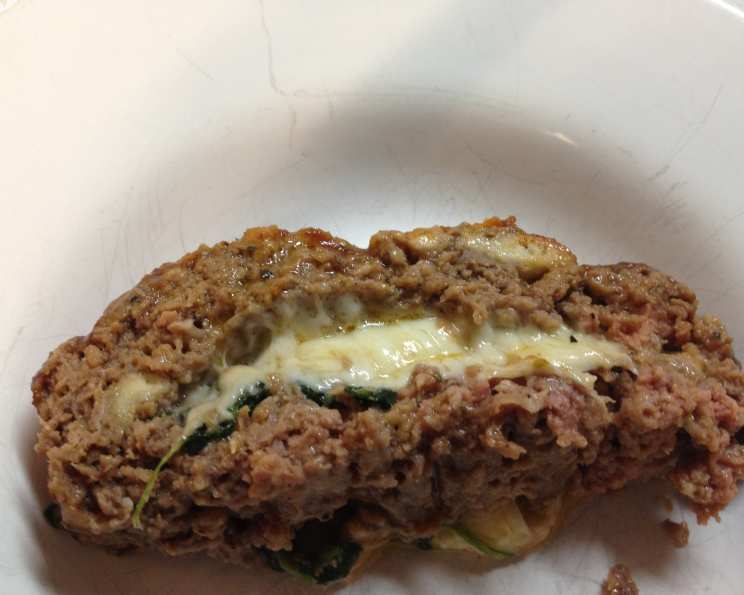
Meatloaf Florentine: A Comfort Classic Reimagined
The aroma still takes me back to my childhood kitchen. My grandmother, a formidable woman with flour perpetually dusted on her apron, would make meatloaf every other Sunday. But this wasn’t just any meatloaf. It was her special “Florentine” version, packed with hidden spinach and melted mozzarella, a sneaky way to get us grandkids to eat our greens. The savory, cheesy filling, nestled inside the tender ground beef, was a revelation. It transformed a humble dish into something truly extraordinary.
Recipe Overview
- Prep Time: 20 minutes
- Cook Time: 1 hour
- Total Time: 1 hour 20 minutes
- Servings: 6
- Yield: 1 meatloaf
- Dietary Type: N/A (can be adapted for gluten-free, see variations)
Ingredients
- 1 cup tomato sauce
- 1 teaspoon crushed dried oregano
- 1 teaspoon dried basil
- 1/4 teaspoon garlic powder
- 1 lb ground beef
- 3 slices whole wheat bread
- 1 egg white
- 1/2 teaspoon salt
- 1/4 teaspoon pepper
- 1 (10 ounce) package frozen chopped spinach, thawed and drained
- 1 cup shredded mozzarella cheese
- 1 tablespoon grated parmesan cheese
Equipment Needed
- Small bowl
- Large bowl
- Wax paper
- Shallow baking pan
- Rack or aluminum foil strips
Instructions
- Preheat your oven to 350°F (175°C).
- In a small bowl, combine the tomato sauce, dried oregano, dried basil, and garlic powder. Mix well and set aside. This will be your flavorful sauce for both the inside and outside of the meatloaf.
- In a larger bowl, combine the ground beef, bread slices (torn into small pieces or pulsed briefly in a food processor to create breadcrumbs), egg white, salt, and pepper. Add half of the tomato sauce mixture to the bowl.
- Thoroughly mix all ingredients in the large bowl until well combined. Be careful not to overmix, as this can make the meatloaf tough. A light, gentle touch is key.
- Place a sheet of wax paper on your work surface. Press the meat mixture onto the wax paper, forming a rectangle approximately 8 x 10 inches.
- Evenly spread the thawed and drained spinach over one half of the meat rectangle. Make sure the spinach is well-drained; excess moisture will make the meatloaf soggy.
- Sprinkle the shredded mozzarella cheese over the spinach, being careful not to place the cheese too close to the edges. This prevents it from melting and leaking out during baking. Leave about a 1/2-inch border around the spinach and cheese.
- Carefully fold the meat over so that the spinach and cheese are completely enclosed inside.
- Pinch the edges firmly to seal the meatloaf, ensuring the filling remains contained. This step is crucial for preventing leaks and maintaining the meatloaf’s shape.
- Place the meatloaf in a shallow baking pan. To allow the juices to drain and prevent the bottom from becoming soggy, place the meatloaf on a rack or use strips of aluminum foil to elevate it slightly above the pan.
- Top the meatloaf with the remaining tomato sauce and sprinkle with the grated parmesan cheese. The parmesan will create a lovely golden-brown crust.
- Bake, uncovered, for 1 hour. The internal temperature of the meatloaf should reach 160°F (71°C). Use a meat thermometer to ensure it’s fully cooked.
- Remove the meatloaf from the oven and let it rest for 5 to 10 minutes before slicing and serving. This allows the juices to redistribute, resulting in a more tender and flavorful meatloaf.
Expert Tips & Tricks
- Don’t overmix the meat mixture: Overmixing develops the gluten in the bread and proteins in the meat, resulting in a tough meatloaf. Mix just until combined.
- Ensure the spinach is thoroughly drained: Excess moisture is the enemy of a good meatloaf. Squeeze out as much water as possible from the thawed spinach.
- Use a meat thermometer: The best way to ensure your meatloaf is cooked through is to use a meat thermometer. Insert it into the thickest part of the loaf.
- Elevate the meatloaf: Raising the meatloaf above the bottom of the pan allows for better air circulation and prevents the bottom from becoming soggy.
- Make ahead: The meatloaf can be assembled ahead of time and stored in the refrigerator for up to 24 hours before baking. This is a great time-saver for busy weeknights.
- Breadcrumb substitution: If you don’t have bread on hand, you can substitute with about 1/3 cup of Italian seasoned bread crumbs.
- Add a kick: For a spicier meatloaf, add a pinch of red pepper flakes to the tomato sauce or meat mixture.
Serving & Storage Suggestions
Serve the Meatloaf Florentine warm, sliced into generous portions. It pairs beautifully with mashed potatoes, roasted vegetables (such as broccoli or carrots), or a simple side salad.
Leftovers can be stored in an airtight container in the refrigerator for up to 3-4 days. For longer storage, freeze individual slices wrapped tightly in plastic wrap and then placed in a freezer bag. Frozen meatloaf can be reheated in the oven at 350°F (175°C) or in the microwave. It also makes a fantastic sandwich filling on a Kaiser roll.
Nutritional Information
| Nutrient | Amount per Serving | % Daily Value |
|---|---|---|
| Calories | 284.5 kcal | N/A |
| Calories from Fat | 149 g | 52% |
| Total Fat | 16.6 g | 25% |
| Saturated Fat | 7.2 g | 35% |
| Cholesterol | 66.9 mg | 22% |
| Sodium | 697.9 mg | 29% |
| Total Carbohydrate | 10.8 g | 3% |
| Dietary Fiber | 3.1 g | 12% |
| Sugars | 3.1 g | 12% |
| Protein | 23.3 g | 46% |
Variations & Substitutions
- Gluten-Free: Use gluten-free breadcrumbs or a gluten-free bread alternative. Ensure all other ingredients are also gluten-free.
- Vegetarian/Vegan: Replace the ground beef with a plant-based ground meat alternative. You can also substitute the egg white with a flax egg (1 tablespoon ground flaxseed mixed with 3 tablespoons water). Use a vegan mozzarella alternative and omit the parmesan or substitute with a vegan parmesan.
- Italian Sausage: Substitute half of the ground beef with Italian sausage for a richer, spicier flavor.
- Different Cheese: Experiment with different cheeses in the filling, such as provolone, fontina, or Gruyère.
- Seasonal Variations: In the fall, add a layer of sautéed mushrooms and caramelized onions to the filling for a hearty autumn twist.
FAQs (Frequently Asked Questions)
Q: Can I use fresh spinach instead of frozen?
A: Yes, you can! Use about 2-3 cups of fresh spinach, chopped. Make sure to sauté it lightly to wilt it down and remove excess moisture before adding it to the meatloaf.
Q: How do I prevent the meatloaf from drying out?
A: Don’t overcook it! Use a meat thermometer to ensure it reaches an internal temperature of 160°F (71°C). Also, elevating the meatloaf allows for better air circulation and prevents it from steaming in its own juices.
Q: Can I freeze the meatloaf before baking?
A: Yes, you can assemble the meatloaf, wrap it tightly in plastic wrap, and freeze it for up to 2-3 months. Thaw it in the refrigerator overnight before baking according to the recipe instructions.
Q: What if I don’t have wax paper?
A: Parchment paper works just as well! You can also use a silicone baking mat.
Q: Can I add vegetables to the meat mixture itself?
A: Absolutely! Finely diced onions, carrots, or celery can be added to the meat mixture for extra flavor and moisture. Just be sure to chop them finely so they cook evenly.
Final Thoughts
Meatloaf Florentine is more than just a recipe; it’s a taste of home, a warm hug on a plate. It’s a dish that’s both comforting and surprisingly elegant. So, gather your ingredients, preheat your oven, and get ready to create a delicious memory of your own. Whether you stick to the classic recipe or add your own creative twist, I encourage you to give this Meatloaf Florentine a try. And please, share your experiences and variations. Happy cooking!