
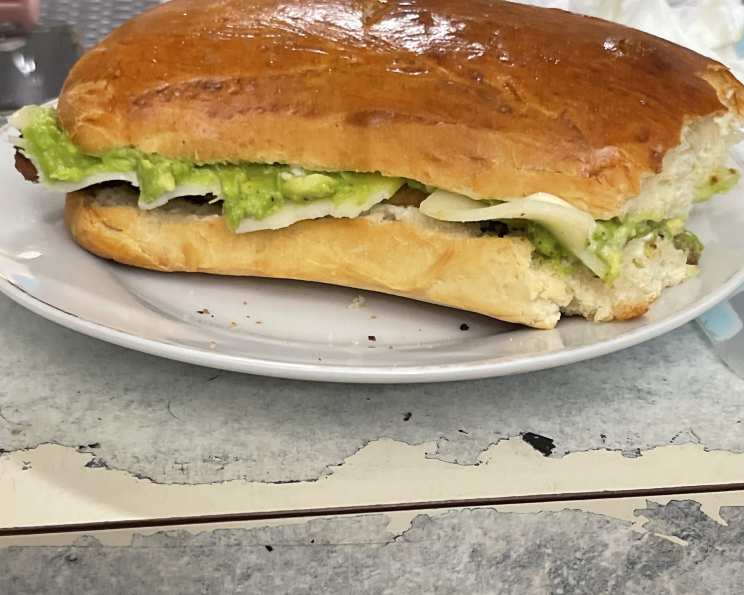
The Soul of the Medianoche: Crafting Perfect Cuban Sandwich Rolls
The aroma still takes me back. My abuela, a whirlwind of energy in her floral apron, would always be baking something. But the scent of yeast, sugar, and warm bread dough conjures up the most vivid memories: the promise of medianoche sandwiches, piled high with roasted pork, ham, Swiss cheese, pickles, and mustard, pressed until golden and melty. More than just a sandwich, it was a taste of home, a connection to my heritage, and a reminder of her unwavering love.
Recipe Overview
- Prep Time: 1 hour 30 minutes
- Cook Time: 25-35 minutes
- Total Time: 2 hours 30 minutes
- Yields: 10-12 large rolls
- Serves: 10-12
- Dietary Type: Not specified (Contains gluten, dairy, and eggs)
Ingredients
- 2 tablespoons yeast
- 3/4 cup white sugar
- 1 1/4 cups warm water (105 to 115 degrees F)
- 1/2 cup lard, melted (You can substitute Crisco)
- 3 eggs
- 2 teaspoons salt
- 6 cups bread flour (more or less)
Egg Wash
- 1 egg, beaten
- 2 tablespoons warm water
Equipment Needed
- Large bowl
- Food processor
- Large greased bowl
- Clean, slightly damp towel
- Work surface
- Lightly floured surface
- Lightly greased baking sheet
- Wire rack
Instructions
- In a large bowl, mix the yeast and three tablespoons of the sugar with one cup of the warm water.
- Place the bowl in a warm place and wait for the yeast to begin bubbling. This usually takes about 5-10 minutes. If it doesn’t bubble and foam, your yeast may be bad, or the water may have been too hot, killing the yeast. If so, you’ll need to start over with fresh yeast and properly tempered water.
- In a separate bowl, beat the eggs until foamy. This incorporates air and helps create a lighter texture in the final dough.
- Mix the foamy eggs with the remaining 1/4 cup warm water and the melted lard (or Crisco). Ensure the lard or Crisco has cooled slightly so it doesn’t cook the eggs.
- Put the flour, remaining sugar, and salt in a food processor.
- Turn on the food processor and add the liquid mixture all at once.
- Process until the dough forms a ball. You may need to add a little more water if the dough is too dry or a little more flour if it’s too wet. The key is to achieve a dough that pulls away from the sides of the bowl.
- Knead the dough in the food processor for 3-5 minutes until it becomes stiff and pliable. This develops the gluten, which gives the bread its structure. Alternatively, you can knead the dough by hand on a lightly floured surface for about 8-10 minutes.
- Grease a large bowl and place the dough in it. Turn the dough so that the greased side is up. This helps prevent the dough from sticking to the bowl as it rises.
- Cover the bowl with a slightly damp, clean towel. This prevents the dough from drying out while it rises.
- Let rise in a warm place for about one hour, or until the dough ball doubles in volume. The warmer the place, the faster the dough will rise. Avoid direct sunlight or placing it near a hot oven, as this can overheat the dough and affect the texture.
- Once the dough has doubled, place it on your work surface and punch it down. This releases the trapped air and prepares the dough for shaping.
- Divide the dough into 10-12 equal-sized handfuls.
- Roll each handful on a lightly floured surface to make cylinders about five inches long and about 2 1/4 inches in diameter. Consistent sizing ensures even baking.
- Arrange the rolls on a lightly greased baking sheet, leaving some space between them to allow for expansion.
- Cover the baking sheet with a slightly damp, clean towel.
- Let rise in a warm place for about one hour, or until the rolls double in volume. This second rise is crucial for a light and airy texture.
- Preheat oven to 350º F (175º C). Make sure the oven is fully preheated before baking to ensure even cooking.
- In a small bowl, whisk together the egg and warm water for the egg wash.
- Brush the tops of the rolls liberally with the egg wash. This gives them a beautiful golden-brown color and a slight sheen.
- Bake until golden brown — about 25 to 35 minutes. Rotate the baking sheet halfway through baking to ensure even browning. Check for doneness by inserting a toothpick into the center of a roll; it should come out clean.
- Remove the rolls from the oven and take them off the baking sheet immediately to prevent them from continuing to cook.
- Let cool on a wire rack.
- While they are still warm, brush the tops with a little melted butter. This adds richness and flavor.
- Use for medianoche sandwiches, or serve warm as a side dish.
Expert Tips & Tricks
- For extra soft rolls: Add a tablespoon of potato flour or instant mashed potato flakes to the dough.
- If you don’t have lard or Crisco: You can use melted butter, but the flavor will be slightly different.
- To prevent the rolls from drying out: Store them in an airtight container or a plastic bag.
- For a slightly sweeter bread: Increase the sugar by a tablespoon or two.
- Want a richer color? Use just the egg yolk for the egg wash
Serving & Storage Suggestions
These medianoche rolls are, of course, best enjoyed as part of a classic Cuban medianoche sandwich. But they’re also delicious served warm with butter as a side dish, or even used as slider buns.
- Room Temperature: Store in an airtight container for up to 2 days.
- Refrigerator: Store in an airtight container for up to 5 days. Reheat gently before serving.
- Freezer: Wrap tightly in plastic wrap and then in a freezer bag for up to 2 months. Thaw completely before reheating.
To reheat, you can wrap the rolls in foil and warm them in a 350°F (175°C) oven for about 10-15 minutes. You can also microwave them for a few seconds, but be careful not to overheat them, as they can become tough.
Nutritional Information
| Nutrient | Amount per Serving | % Daily Value |
|---|---|---|
| Calories | 460 kcal | N/A |
| Calories from Fat | 117 g | 26% |
| Total Fat | 13.1 g | 20% |
| Saturated Fat | 4.8 g | 23% |
| Cholesterol | 94.3 mg | 31% |
| Sodium | 496.4 mg | 20% |
| Total Carbohydrate | 73.3 g | 24% |
| Dietary Fiber | 2.5 g | 10% |
| Sugars | 15.3 g | 61% |
| Protein | 11.2 g | 22% |
Note: Nutritional information is an estimate and may vary based on specific ingredients and portion sizes.
Variations & Substitutions
- Vegan Medianoche Bread: Substitute the lard with a vegan butter alternative or vegetable shortening. Replace the eggs with flax eggs (1 tablespoon of ground flaxseed mixed with 3 tablespoons of water per egg). Use a plant-based milk alternative for the egg wash, or simply brush with olive oil.
- Whole Wheat Medianoche Bread: Replace up to half of the bread flour with whole wheat flour for a nuttier flavor and added fiber. You may need to add a little more water as whole wheat flour absorbs more liquid.
- Garlic & Herb Medianoche Bread: Add 2-3 cloves of minced garlic and a tablespoon of chopped fresh herbs (such as oregano, parsley, or thyme) to the dough during the kneading process.
FAQs (Frequently Asked Questions)
Q: Why is it important for the water to be between 105 and 115 degrees F when activating the yeast?
A: This temperature range provides the optimal environment for the yeast to thrive and become active. If the water is too cold, the yeast won’t activate properly; if it’s too hot, it can kill the yeast.
Q: Can I make the dough ahead of time and refrigerate it overnight?
A: Yes, you can! After the first rise, punch down the dough, wrap it tightly in plastic wrap, and refrigerate it for up to 24 hours. Let it come to room temperature before shaping and baking.
Q: What if I don’t have a food processor?
A: You can certainly make this dough by hand. Just mix the wet and dry ingredients in a large bowl and knead on a lightly floured surface for about 8-10 minutes, or until the dough is smooth and elastic.
Q: My rolls are browning too quickly. What should I do?
A: If the rolls are browning too quickly, tent them loosely with aluminum foil for the last 10-15 minutes of baking.
Q: How do I keep the rolls soft after they cool?
A: Brushing the tops with melted butter while they are still warm helps to keep them soft. Also, make sure to store them in an airtight container.
Final Thoughts
Creating these medianoche rolls is more than just baking bread; it’s about connecting with tradition, sharing memories, and experiencing the simple joy of homemade goodness. Don’t be afraid to experiment with variations and make them your own. I encourage you to try this recipe, share your creations with loved ones, and savor the taste of authentic Cuban flavor. And if you’re feeling particularly ambitious, pair these rolls with a perfectly pressed medianoche sandwich – you won’t regret it!