
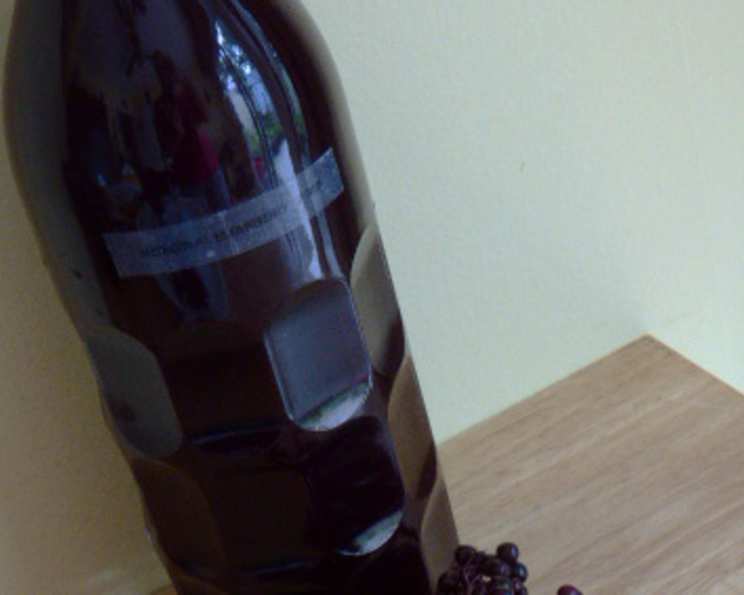
The Magic of Elderberry: A Homemade Syrup for Wellness
Every fall, as the days grow shorter and the first whispers of winter begin to blow, I find myself drawn back to a memory from my childhood. It’s a memory of my grandmother’s kitchen, filled with the warm, earthy aroma of simmering berries and spices. She always had a batch of elderberry syrup brewing, a deep purple elixir that she swore by for keeping colds at bay. The sweet, slightly tart taste, combined with the comforting feeling that I was being cared for, is a flavor I still cherish today. Now, I carry on that tradition, making my own elderberry syrup each year, not just for its potential health benefits, but for the connection it brings me to those precious moments.
Recipe Overview
- Prep Time: 15 minutes
- Cook Time: 1 hour
- Total Time: 1 hour 15 minutes
- Yields: 4-5 cups
- Serves: 100
- Dietary Type: Vegan (depending on honey source)
Ingredients
- 6 cups elderberries
- 3 cups water
- 20 lemon verbena leaves
- 20 holy basil leaves
- 3 inches cinnamon sticks
- 3 whole cloves
- 1 lemon slice
- 3 tablespoons fresh ginger, chopped
- 1/3 – 1 cup raw honey, to taste
Equipment Needed
- Large pot
- Potato Masher
- Cheesecloth or jelly bag
- Glass jars for storage
Instructions
-
In a large pot, combine the elderberries, water, lemon verbena leaves, holy basil leaves, cinnamon sticks, whole cloves, lemon slice, and chopped fresh ginger.
-
Bring the mixture to a simmer over medium heat.
-
Once simmering, mash the berries with a potato masher to release their juices. This helps extract all the beneficial compounds.
-
Continue to simmer, stirring occasionally, for approximately 1 hour, or until the liquid has reduced by about half. You’ll notice the mixture thickening slightly as it reduces. Keep an eye on it and adjust the heat as necessary to prevent scorching.
-
Carefully strain the berries and spices through a cheesecloth-lined colander or a jelly bag. Allow the juice to drip through naturally at first.
-
Once the initial dripping slows down, gently squeeze the cheesecloth or jelly bag to extract as much juice as possible. Unlike making jelly where you want a clear juice, for medicinal purposes, we want to get all the good stuff out of the berries, so don’t be afraid to squeeze!
-
Let the strained juice cool slightly until it is just barely warm – this is crucial for preserving the beneficial properties of the honey.
-
Stir in the raw honey to taste. Start with 1/3 cup and add more until you reach your desired sweetness. Remember that honey also has its own beneficial properties, so don’t be shy!
-
Once the honey is fully dissolved, pour the finished elderberry syrup into sterilized glass jars.
-
Allow the syrup to cool completely before sealing and storing.
Expert Tips & Tricks
- Berry Quality: The quality of your elderberries directly impacts the potency and flavor of your syrup. Use fresh, ripe berries if possible. If using dried berries, ensure they are from a reputable source and haven’t been sitting on the shelf for too long.
- Honey Matters: Raw, unfiltered honey is best for its enzyme content and potential health benefits. Local honey can be especially beneficial for allergies. If you are strictly vegan, you can use maple syrup or agave nectar as a substitute, but remember that these will have different nutritional profiles.
- Adjusting Sweetness: Taste the syrup as you add the honey and adjust to your preference. Keep in mind that the sweetness will mellow slightly as the syrup cools.
- Spice it Up: Feel free to experiment with other spices like star anise, cardamom pods, or even a pinch of cayenne pepper for an extra kick.
- Don’t Overcook: Overcooking the syrup can diminish its beneficial properties. Keep the heat low and simmer gently.
- Sterilize Jars: To ensure a longer shelf life, sterilize your jars and lids before filling them with syrup. You can do this by boiling them in water for 10 minutes.
- Herbal Power-Up: You can add other herbs like rosehips, echinacea, or astragalus to further boost the syrup’s medicinal properties. Just be sure to research the appropriate dosages and potential interactions before adding any new herbs.
Serving & Storage Suggestions
Take 1 teaspoon daily as a preventative measure. During a cold or flu, you can increase the dosage to 1 teaspoon every 2-3 hours. The syrup can be added to drinks, like kombucha for the second fermentation, poured over ice cream, or simply taken straight from the spoon.
Store the sealed elderberry syrup in the refrigerator. It will keep for approximately 2-3 months. For longer storage, you can freeze it in ice cube trays and then transfer the frozen cubes to a freezer bag. This makes it easy to thaw individual portions as needed.
Nutritional Information
Note: Nutritional information is an estimate and may vary based on specific ingredients and honey content.
| Nutrient | Amount per Serving (approx. 1 tsp) | % Daily Value* |
|---|---|---|
| Calories | 10 kcal | <1% |
| Total Fat | 0.1g | <1% |
| Saturated Fat | 0g | 0% |
| Cholesterol | 0mg | 0% |
| Sodium | 0.8mg | <1% |
| Total Carbohydrate | 2.6g | <1% |
| Dietary Fiber | 0.6g | 2% |
| Sugars | 0.9g | 3% |
| Protein | 0.1g | <1% |
*Percent Daily Values are based on a 2,000 calorie diet.
Variations & Substitutions
- Vegan Option: As mentioned before, substitute the raw honey with maple syrup or agave nectar.
- Spice Blend: Customize the spice blend to your liking. Try adding a pinch of cayenne pepper for a warming effect or star anise for a more complex flavor.
- Citrus Boost: Experiment with different citrus fruits. Use orange peel instead of lemon for a sweeter, brighter flavor.
- Ginger Zing: Increase the amount of fresh ginger for a more potent and spicy syrup.
- Berry Mix: Add other berries, like blueberries or raspberries, for a different flavor profile and added antioxidants. Just adjust the quantities accordingly to maintain the proper ratio of berries to water.
FAQs (Frequently Asked Questions)
Q: What are the potential health benefits of elderberry syrup?
A: Elderberries are believed to have antiviral and anti-inflammatory properties, which may help to shorten the duration and severity of colds and flu. However, more research is needed to confirm these benefits.
Q: Can I use dried elderberries instead of fresh?
A: Yes, you can use dried elderberries. Use about half the amount of fresh berries called for in the recipe (3 cups of dried elderberries).
Q: Is elderberry syrup safe for children?
A: While generally considered safe, it’s always best to consult with your pediatrician before giving elderberry syrup to children, especially infants. Adjust the dosage accordingly based on their age and weight.
Q: How long does homemade elderberry syrup last?
A: When stored properly in the refrigerator, homemade elderberry syrup will last for approximately 2-3 months. You can extend its shelf life by freezing it.
Q: Can I use store-bought elderberry juice instead of making my own syrup?
A: While you can use store-bought elderberry juice as a base, homemade syrup allows you to control the ingredients and sweetness level. Many store-bought versions contain added sugars and preservatives.
Final Thoughts
There’s a certain magic in creating something from scratch, especially when it comes from the earth and is imbued with the intention of wellness. This elderberry syrup recipe is more than just a collection of ingredients and steps; it’s a connection to tradition, a way to care for ourselves and our loved ones, and a celebration of the bounty of nature. I encourage you to try this recipe, experiment with different flavors, and make it your own. And if you do, please share your feedback and experiences. Consider pairing it with a warm cup of chamomile tea or a slice of homemade sourdough bread for a comforting and restorative experience. Cheers to good health and happy cooking!