
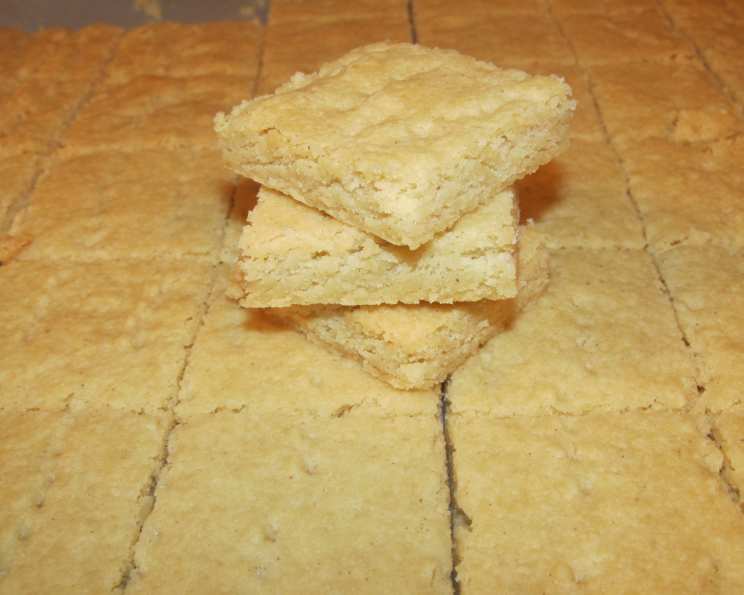
Medieval Fine Cakes: A Taste of History
I can still recall the hushed reverence in the library as I poured over ancient cookbooks, their parchment pages whispering secrets of feasts long past. One recipe, simply called “Fine Cakes,” caught my eye – not for its complexity, but for its unassuming simplicity. It spoke of a time when spices were treasured and butter was a luxury, and these little cakes, humble as they are, were a prized treat. These are not the elaborate, multi-layered creations of modern bakeries; they are a testament to the enduring appeal of pure, unadulterated flavor.
Recipe Overview
- Prep Time: 20 minutes
- Cook Time: 30 minutes
- Total Time: 50 minutes
- Yields: Approximately 100 cookies
- Dietary Type: Not specified (contains dairy)
Ingredients
- 6 cups soft butter
- 1 1/2 teaspoons salt
- 3 cups granulated sugar
- 1/2 tablespoon cinnamon
- 12 cups unbleached flour
- Water, as needed
Equipment Needed
- Large mixing bowls
- Measuring cups and spoons
- Baking sheets
- Baking parchment
- Fork
Instructions
- Begin by thoroughly creaming together the soft butter, granulated sugar, and salt in a large mixing bowl. This step is crucial for achieving a tender crumb, so ensure the butter is at room temperature and that you beat the mixture until it is light and fluffy.
- In a separate bowl, mix together the cinnamon and unbleached flour. This ensures the spice is evenly distributed throughout the dough.
- Gradually add the flour mixture to the creamed butter mixture, mixing until just combined. Be careful not to overmix, as this can lead to a tough cookie.
- If the dough seems too dry, add water, a little at a time, until it reaches a manageable consistency. The goal is to have a dough that is firm enough to hold its shape but not too sticky to work with. The amount of water needed can vary depending on the humidity and the type of flour used.
- Press the dough evenly onto 2-3 baking sheets lined with baking parchment. Aim for a thickness of about 1/4 inch. Using parchment paper will prevent the cookies from sticking and make cleanup a breeze.
- Once the dough is spread, prick it all over with a fork at regular intervals. This will prevent the dough from puffing up unevenly during baking.
- Bake in a preheated oven at 325 degrees F (160 degrees C) for 30 minutes, or until the edges are lightly golden brown. Keep a close watch on the cookies to prevent them from burning, as oven temperatures can vary.
- Immediately after removing the baking sheets from the oven, cut the baked dough into approximately 100 squares. The cookies are easier to cut while they are still warm and slightly soft.
Expert Tips & Tricks
- Butter Temperature is Key: Make sure your butter is properly softened. If it’s too cold, it won’t cream properly, resulting in a denser cookie. If it’s melted, the dough will be greasy.
- Spice it Up: While this recipe calls for cinnamon, don’t be afraid to experiment with other spices common in the medieval period, such as ginger, cloves, or nutmeg. A pinch of mace would also add a delightful warmth.
- Dough Consistency: The addition of water is crucial to bring the dough together. Add it very gradually, a tablespoon at a time, until the dough just comes together without being sticky. Different flours absorb liquid differently.
- Baking Sheet Prep: Parchment paper is your best friend here. It prevents sticking and makes cleanup incredibly easy. If you don’t have parchment, lightly grease the baking sheets.
- Even Baking: Rotate the baking sheets halfway through the baking time to ensure even browning.
- Cutting While Warm: This is essential for clean cuts. Let the baked dough cool slightly before cutting, but don’t wait too long, or it will become brittle and difficult to cut neatly.
- Make Ahead: The dough can be made ahead and stored in the refrigerator for up to 2 days. Let it come to room temperature slightly before rolling out.
Serving & Storage Suggestions
These Medieval Fine Cakes are best enjoyed slightly cooled, allowing the flavors to meld and mellow. They make a delightful accompaniment to a cup of tea or coffee, or perhaps even a glass of spiced wine, channeling the spirit of a medieval feast. Store the cooled cookies in an airtight container at room temperature. They will stay fresh for up to a week. They can also be frozen for longer storage; simply thaw them at room temperature before serving.
Nutritional Information
Note: These values are approximate and can vary based on specific ingredients and portion sizes.
| Nutrient | Amount per Serving | % Daily Value |
|---|---|---|
| Calories | 175 kcal | 9% |
| Total Fat | 11g | 17% |
| Saturated Fat | 7g | 35% |
| Cholesterol | 29mg | 9% |
| Sodium | 113mg | 4% |
| Total Carbohydrate | 17g | 6% |
| Dietary Fiber | 0.4g | 1% |
| Sugars | 6g | 6% |
| Protein | 1.7g | 3% |
Variations & Substitutions
- Gluten-Free: Substitute the unbleached flour with a gluten-free all-purpose flour blend. You might need to adjust the amount of water to achieve the right dough consistency.
- Dairy-Free: While traditionally made with butter, you could experiment with a solid vegetable shortening or vegan butter substitute. Be aware that this will alter the flavor and texture slightly.
- Spice Variations: As mentioned earlier, feel free to play around with different spice combinations. Try adding a pinch of ground ginger, cloves, or mace. You could also incorporate a small amount of dried herbs, such as rosemary or thyme, for a more savory twist.
- Nutty Version: Add chopped nuts, such as almonds or walnuts, to the dough for added texture and flavor.
- Citrus Zest: A little lemon or orange zest can brighten up the flavor of these cookies.
FAQs (Frequently Asked Questions)
Q: Can I use salted butter in this recipe?
A: It’s best to use unsalted butter and add the salt separately. This allows you to control the amount of salt more precisely. If you only have salted butter, reduce the amount of salt in the recipe accordingly.
Q: What does “unbleached flour” mean?
A: Unbleached flour is simply flour that has not been chemically whitened. It has a slightly creamier color and a slightly different texture than bleached flour. Either type will work in this recipe.
Q: Why do I need to prick the dough with a fork?
A: Pricking the dough prevents it from puffing up unevenly during baking, ensuring a flat and even surface for cutting into squares.
Q: Can I freeze the baked cookies?
A: Yes, these cookies freeze well. Store them in an airtight container or freezer bag for up to 2-3 months. Thaw at room temperature before serving.
Q: My dough is too crumbly. What should I do?
A: If the dough is too dry and crumbly, add water, a tablespoon at a time, until it comes together. Be careful not to add too much water, or the dough will become sticky.
Final Thoughts
These Medieval Fine Cakes offer a glimpse into the past, a taste of a simpler time when baking was a cherished art. Don’t be intimidated by the apparent simplicity of the recipe; the true beauty lies in the pure, unadulterated flavors and the connection to culinary history. I encourage you to try your hand at this recipe, experiment with different spices, and share your creations with friends and family. Let the aroma of cinnamon and butter transport you to a medieval feast, and savor the sweet taste of history. I’d love to hear your feedback and any variations you discover along the way!