
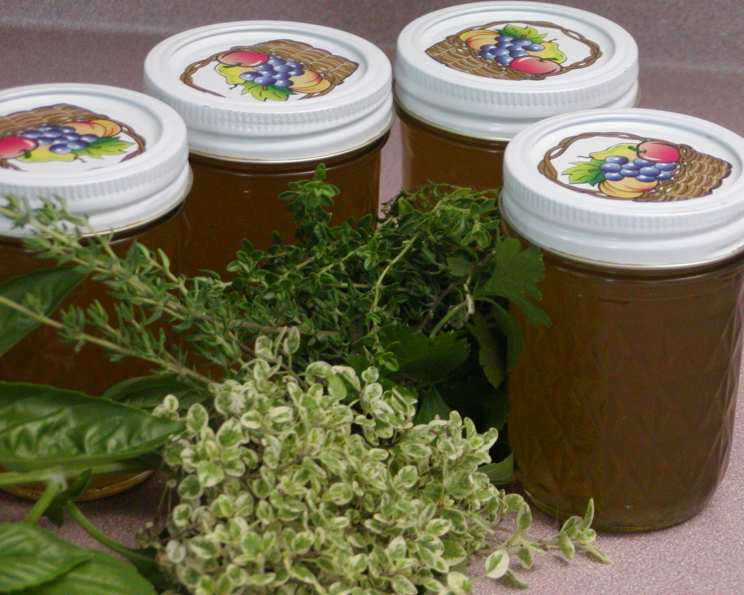
Liquid Gold: Crafting the Perfect Mediterranean Herb Oil
The scent of fresh herbs simmering in olive oil always transports me back to a small trattoria I discovered tucked away in a cobblestone alley in Florence. The aroma, a heady blend of basil, oregano, thyme, and sun-drenched olives, drifted from the kitchen, promising a simple yet unforgettable meal. That evening, I drizzled the vibrant green oil over crusty bread, savoring the taste of the Mediterranean with every bite. I knew then that I had to capture that essence in my own kitchen.
Recipe Overview
Here’s a quick look at what you can expect:
- Prep Time: 10 minutes
- Cook Time: 1 minute
- Total Time: 1 hour 11 minutes
- Yields: 4 cups
- Serves: 128
- Dietary Type: Vegan, Gluten-Free, Dairy-Free
Ingredients
This recipe relies on the freshness and quality of your ingredients. Don’t skimp on the olive oil!
- ½ cup fresh basil, very finely minced
- ½ cup fresh oregano, very finely minced
- ½ cup fresh thyme, very finely minced
- ½ cup fresh parsley, very finely minced
- 4 cups olive oil (splurge for the good stuff)
Equipment Needed
- Heavy saucepan
- Stirring spoon
- Fine-mesh sieve
- Measuring cup
- Four oil bottles with tight-fitting lids
Instructions
Follow these instructions carefully to create your own liquid gold.
- Begin by preparing your herbs. Finely mince the fresh basil, oregano, thyme, and parsley. A mezzaluna or a sharp chef’s knife works well for this. The finer the mince, the more flavor will be released into the oil.
- Place all the minced herbs in a heavy-bottomed saucepan. This type of pan will distribute the heat evenly and prevent scorching.
- Add the olive oil to the saucepan, ensuring all the herbs are submerged.
- Place the saucepan over medium heat. You want a gentle simmer, not a rapid boil.
- As the oil heats, stir it occasionally to ensure the herbs are evenly infused.
- Once the mixture reaches a simmer, maintain that temperature for just 10 seconds. Watch carefully, as you don’t want to overcook the herbs.
- Remove the saucepan from the heat. Continue stirring the oil and herb mixture for another 30 seconds. This helps to prevent the herbs from burning in the residual heat.
- Now, allow the herbs to steep in the oil for approximately one hour, or until the oil has cooled completely. This slow infusion process is crucial for extracting the maximum flavor from the herbs.
- Once the oil has cooled, strain it through a fine-mesh sieve into a measuring cup. Press down on the steeped herbs with a spoon or spatula to extract every last drop of the flavorful oil.
- Divide the strained herb oil evenly between the four pretty oil bottles.
- Seal the bottles tightly with their lids.
- Refrigerate the herb oil for at least one day before using it. This allows the flavors to fully develop and meld together.
- Keep the oil refrigerated for optimal freshness and longevity.
Expert Tips & Tricks
- Herb Selection: Use the freshest herbs you can find. Look for vibrant green leaves with a strong aroma. Avoid herbs that are wilted or discolored.
- Olive Oil Quality: The quality of your olive oil will significantly impact the flavor of your herb oil. Opt for a high-quality extra virgin olive oil with a fruity and peppery taste.
- Gentle Simmer: It is crucial not to overheat the oil. A gentle simmer is all that is needed to infuse the herbs. Overheating can result in a bitter or burnt flavor.
- Steeping Time: Don’t rush the steeping process. The longer the herbs steep in the oil, the more intense the flavor will be.
- Bottling: Ensure your oil bottles are clean and dry before filling them. You can sterilize them by boiling them in water for 10 minutes.
Serving & Storage Suggestions
This Mediterranean herb oil is incredibly versatile and can be used in a variety of ways.
- Serving Suggestions: Drizzle it over grilled fish, roasted vegetables, pasta, or salads. Use it as a dipping oil for crusty bread. Brush it on bruschetta before topping with tomatoes and basil. Add a splash to soups or stews for a burst of flavor.
- Storage: Store the herb oil in the refrigerator to maintain its freshness and prevent spoilage. Properly stored, it will keep for up to two weeks.
- Freezing: While not recommended, you can freeze the oil in ice cube trays for later use. However, freezing may slightly alter the texture and flavor.
- Reheating: There is no need to reheat the oil before using it. Simply bring it to room temperature for a few minutes if it has solidified in the refrigerator.
Nutritional Information
Here’s an estimate of the nutritional information per serving (1 teaspoon):
| Nutrient | Amount per Serving | % Daily Value |
|---|---|---|
| Calories | 60 kcal | 3% |
| Total Fat | 6.8 g | 10% |
| Saturated Fat | 0.9 g | 4% |
| Cholesterol | 0 mg | 0% |
| Sodium | 0.3 mg | 0% |
| Total Carbohydrate | 0.1 g | 0% |
| Dietary Fiber | 0.1 g | 0% |
| Sugars | 0 g | 0% |
| Protein | 0 g | 0% |
Note: Nutritional information is an estimate and may vary based on specific ingredients and serving size.
Variations & Substitutions
- Spice it up: Add a pinch of red pepper flakes to the oil while simmering for a touch of heat.
- Citrus Zest: Incorporate lemon or orange zest for a bright, citrusy flavor.
- Garlic Infusion: Add a clove or two of minced garlic to the oil during the simmering process. Be careful not to burn the garlic.
- Other Herbs: Experiment with other Mediterranean herbs such as rosemary, sage, or marjoram.
- Nut Oil Blend: Substitute a portion of the olive oil with walnut or hazelnut oil for a richer, nuttier flavor.
FAQs (Frequently Asked Questions)
Q: Can I use dried herbs instead of fresh?
A: No, fresh herbs are essential for this recipe. Dried herbs will not provide the same vibrant flavor and aroma.
Q: How long does this herb oil last?
A: When stored properly in the refrigerator, this herb oil will last for up to two weeks.
Q: Why do I need to refrigerate the oil?
A: Refrigeration helps to preserve the freshness of the herbs and prevent the oil from becoming rancid.
Q: Can I use this oil for high-heat cooking?
A: No, it’s best to use this herb oil for finishing dishes or for low-heat cooking, as high heat can damage the delicate flavors of the herbs.
Q: What kind of olive oil should I use?
A: A high-quality extra virgin olive oil with a fruity and peppery flavor is recommended for the best results.
Final Thoughts
Creating your own Mediterranean herb oil is a simple yet rewarding culinary experience. The vibrant flavors and aromas will transport you to the sun-drenched shores of the Mediterranean. Don’t be afraid to experiment with different herbs and spices to create your own unique blend. I encourage you to try this recipe and share your creations with friends and family. It is an incredibly satisfying gift to give and a joy to use in your own cooking. Buon appetito!