
Mediterranean Mayonnaise: A Taste of Sunshine
The first time I tasted homemade mayonnaise, it wasn’t just a condiment, it was an experience. I was a young apprentice in a tiny trattoria nestled on the Amalfi Coast. The head chef, a formidable woman named Nonna Emilia, would gather fresh eggs from her own hens each morning. With a flourish and a wink, she’d transform those humble ingredients, along with sun-drenched olive oil and a squeeze of lemon, into the most luxuriously creamy, vibrant mayonnaise I had ever encountered. That first taste, infused with the briny air and Nonna Emilia’s passion, sparked a lifelong love affair with crafting my own flavorful condiments. Today, I’m sharing my take on a Mediterranean-inspired mayonnaise that will transport your taste buds straight to the sun-kissed shores of Italy.
Recipe Overview
- Prep Time: 15 minutes
- Cook Time: 0 minutes
- Total Time: 15 minutes
- Servings: Variable
- Yield: 2 cups
- Dietary Type: Gluten-Free, Dairy-Free
Ingredients
- 3 egg yolks
- 1 tablespoon lemon juice
- 1/2 teaspoon Dijon mustard
- 1 teaspoon coarse salt
- 1/2 cup canola oil
- 1 1/4 cups canola oil
- 1/4 cup extra virgin olive oil
- 2 tablespoons hot water
- 2 teaspoons lemon juice
- 1 teaspoon salt
- Finely chopped rosemary (or basil)
Equipment Needed
- Mixing bowl or stand mixer
- Whisk or electric mixer
- Measuring cups and spoons
Instructions
-
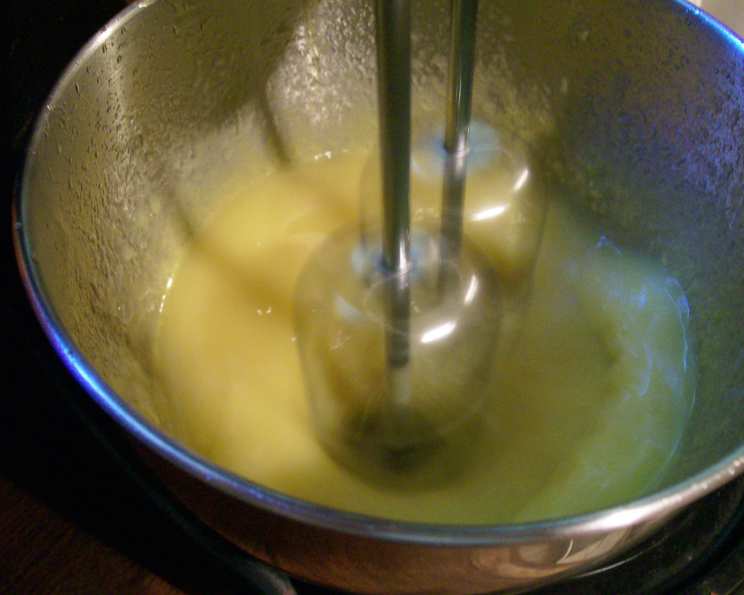
In a mixing bowl or the bowl of a stand mixer, beat the egg yolks on medium speed until they are slightly thickened. This should take about a minute or two.
-
Add the 1 tablespoon of lemon juice, 1/2 teaspoon of Dijon mustard, and 1 teaspoon of coarse salt to the yolks. Beat the mixture for one minute, ensuring everything is well combined.
-
Now comes the critical part: slowly emulsifying the oils. Increase the mixer speed to medium-high. Add the 1/2 cup of canola oil one teaspoon at a time. This step is crucial. Adding the oil too quickly can cause the mayonnaise to “break,” meaning the oil and egg yolks separate. Patience is key!
-
Once the first 1/2 cup of canola oil is fully incorporated, SLOWLY pour in the remaining 1 1/4 cups of canola oil and the 1/4 cup of extra virgin olive oil in a steady, thin stream. Continue beating the mixture until all the oil is incorporated. This process can take about 10 minutes, so don’t rush it. The mayonnaise should become thick and creamy.
-
In a separate small bowl, combine the 2 tablespoons of hot water, 2 teaspoons of lemon juice, and 1 teaspoon of salt. Fold this mixture into the mayonnaise. The hot water helps to stabilize the emulsion and lighten the texture.
-
Finally, fold in the finely chopped rosemary or basil. The herbs will add a burst of fresh, Mediterranean flavor to your homemade mayonnaise.
-
Serve the mayonnaise at room temperature. Refrigerate any leftovers in an airtight container for up to a week.
-
Repair Trick: If the mayonnaise does “break” (separate), don’t despair! You can salvage it. In a separate bowl, whisk a single egg yolk. Then, gradually beat the broken mayonnaise into the fresh egg yolk, a little at a time, until it emulsifies and becomes creamy again.
Expert Tips & Tricks
- Room Temperature is Key: Using ingredients that are at room temperature is crucial for proper emulsification. Cold eggs or oil are more likely to cause the mayonnaise to separate. Take the eggs out of the refrigerator at least 30 minutes before you begin.
- High-Quality Oil Matters: While canola oil is used for the bulk of the mayonnaise, using a good quality extra virgin olive oil will significantly enhance the flavor. Don’t use a cheap, bitter olive oil. Look for one that is fruity and well-balanced.
- Herb Infusion: For a more intense herb flavor, infuse the olive oil with rosemary or basil before making the mayonnaise. Gently heat the olive oil with the herbs in a saucepan over low heat for about 15 minutes. Let it cool completely before straining out the herbs and using the infused oil.
- Garlic Boost: For a garlicky twist, add a clove of minced garlic to the egg yolks along with the Dijon mustard and lemon juice. The garlic will add a pungent and savory dimension to the mayonnaise.
- Don’t Overbeat: Overbeating the mayonnaise can cause it to become too thick or even separate. Beat just until the ingredients are fully combined and the mixture is thick and creamy.
- Storage container: Transfer the finished mayonnaise to an airtight container as soon as possible to prevent contamination.
Serving & Storage Suggestions
Mediterranean mayonnaise is incredibly versatile. Serve it as a dip for crudités, a spread for sandwiches and wraps, or a topping for grilled fish, chicken, or vegetables. It’s also delicious as a base for potato salad, coleslaw, or other creamy salads.
Store leftover mayonnaise in an airtight container in the refrigerator for up to one week. It is not recommended to freeze homemade mayonnaise, as the texture will change and it may separate upon thawing. Do not leave mayonnaise at room temperature for more than two hours, as this can increase the risk of bacterial growth.
Nutritional Information
Please note that these values are estimates and can vary based on specific ingredients and portion sizes.
| Nutrient | Amount per Serving | % Daily Value |
|---|---|---|
| Calories | 240 kcal | 12% |
| Total Fat | 26g | 33% |
| Saturated Fat | 2g | 10% |
| Cholesterol | 60mg | 20% |
| Sodium | 280mg | 12% |
| Carbohydrates | 0g | 0% |
| Fiber | 0g | 0% |
| Sugar | 0g | 0% |
| Protein | 0.5g | 1% |
Variations & Substitutions
- Vegan Mayonnaise: For a vegan version, substitute the egg yolks with aquafaba (the liquid from canned chickpeas). The aquafaba will emulsify similarly to egg yolks and create a creamy mayonnaise.
- Herb Variations: Experiment with different herbs such as thyme, oregano, or parsley. You can also add a pinch of red pepper flakes for a spicy kick.
- Citrus Variations: Instead of lemon juice, try using lime juice or orange juice for a different citrus flavor.
- Avocado Oil: Substitute the canola oil with avocado oil for a healthier option. Avocado oil is rich in healthy fats and has a mild, neutral flavor.
- Spicy Mayonnaise: Mix in some sriracha or other hot sauce to taste.
FAQs (Frequently Asked Questions)
Q: Why is it important to add the oil slowly at the beginning?
A: Adding the first portion of oil one teaspoon at a time helps to create a stable emulsion. This prevents the mayonnaise from breaking or separating.
Q: Can I use a food processor instead of a mixer?
A: Yes, you can use a food processor. Follow the same instructions, adding the oil in a slow, steady stream while the processor is running.
Q: What if my mayonnaise is too thick?
A: If your mayonnaise is too thick, add a little more hot water, one tablespoon at a time, until you reach the desired consistency.
Q: How can I tell if my mayonnaise has gone bad?
A: If your mayonnaise has an off odor, discoloration, or a strange texture, discard it. It’s always better to be safe than sorry when it comes to food safety.
Q: Can I make this mayonnaise ahead of time?
A: Yes, you can make this mayonnaise a day or two ahead of time. Store it in an airtight container in the refrigerator until ready to use.
Final Thoughts
Now, go forth and create your own sunshine in a jar! This Mediterranean mayonnaise is more than just a condiment; it’s an invitation to savor the simple pleasures of life. Don’t be afraid to experiment with different herbs and flavors to create your own signature blend. Share your creations with friends and family, and let them experience the taste of the Mediterranean. And don’t forget to let me know what you think – I’m always eager to hear about your culinary adventures! Pair it with a fresh focaccia and a glass of crisp white wine for the ultimate Mediterranean experience.