
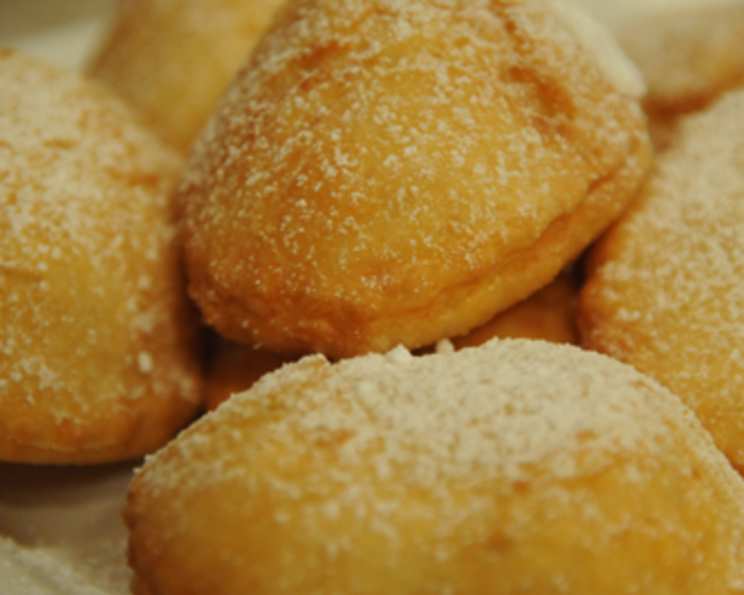
Mekitsi: Bulgaria’s Golden Fried Dough Delights
The aroma still lingers in my memory – warm, yeasty, and subtly sweet, mingling with the crisp scent of frying oil. It takes me back to a bustling Bulgarian marketplace, the sun shining brightly on the colorful stalls overflowing with fresh produce. I watched, mesmerized, as a woman with flour-dusted hands expertly stretched and fried these golden discs of dough, the Mekitsi, handing them to eager customers. The first bite was pure bliss – a perfect blend of soft, airy interior and a satisfyingly crisp exterior, lightly dusted with powdered sugar. It was more than just food; it was a taste of Bulgarian hospitality, a comforting embrace on a sunny morning.
Recipe Overview
- Prep Time: 15 minutes
- Cook Time: 30 minutes
- Total Time: 1 hour 15 minutes (including proofing)
- Yields: 18 pieces
- Dietary Type: Vegetarian (can be vegan with substitutions, see variations)
Ingredients
- ½ teaspoon active dry yeast
- ¼ cup warm water
- 1 small egg
- ½ cup yogurt
- 1 ⅔ cups flour
- ⅛ teaspoon salt
- Oil (for frying)
- Powdered sugar (for dusting, optional)
Equipment Needed
- Large mixing bowl
- Small bowl or measuring cup
- Pot or deep fryer
- Slotted spoon or spider
- Rolling pin
- Cookie cutter or knife
- Paper towels
Instructions
-
Begin by activating the yeast. In a small bowl or measuring cup, combine the ½ teaspoon of active dry yeast with the ¼ cup of warm water. Allow the mixture to sit undisturbed for about five minutes, or until the yeast has proofed and become frothy. This indicates that the yeast is alive and active.
-
In a large mixing bowl, whisk together the 1 small egg and ½ cup of yogurt. Ensure they are well-blended to create a smooth and consistent base for the dough.
-
Add the proofed yeast mixture to the egg and yogurt mixture. Stir gently until all ingredients are thoroughly combined.
-
In the same bowl, gradually add the 1 ⅔ cups of flour and ⅛ teaspoon of salt. Mix until a soft dough forms. The dough should be slightly sticky but not overly wet. You may need to adjust the amount of flour slightly depending on the humidity and the type of flour used.
-
Cover the bowl with a clean kitchen towel or plastic wrap and let the dough rest in a warm place for one hour. This allows the dough to rise and develop its characteristic flavor and texture. The dough should approximately double in size.
-
After the dough has proofed, gently punch it down to release any excess air. On a lightly floured surface, roll the dough out to approximately ¼-inch thickness.
-
Use a cookie cutter or a knife to cut the dough into circles or desired shapes. Traditional Mekitsi are typically round, but you can experiment with different shapes.
-
Pour oil into a pot or deep fryer to a depth of about two inches. Heat the oil over medium heat until it reaches a temperature of approximately 350°F (175°C). A simple way to test if the oil is ready is to drop a small piece of dough into the oil; if it sizzles and turns golden brown within a few seconds, the oil is hot enough.
-
Carefully drop the dough circles into the hot oil, being careful not to overcrowd the pot. Fry the Mekitsi for about 2-3 minutes per side, or until they are golden brown and puffy. Turn them once during frying to ensure even cooking.
-
Remove the fried Mekitsi from the oil using a slotted spoon or spider and place them on a plate lined with paper towels to drain any excess oil.
-
While the Mekitsi are still warm, dust them generously with powdered sugar, if desired. This adds a touch of sweetness and enhances their visual appeal.
-
Serve immediately and enjoy!
Expert Tips & Tricks
- Yogurt Choice: Bulgarian yogurt is traditionally used and imparts a unique tangy flavor. However, Greek yogurt or plain yogurt can be substituted.
- Oil Temperature: Maintaining the correct oil temperature is crucial for achieving the perfect texture. If the oil is too hot, the Mekitsi will brown too quickly on the outside while remaining doughy on the inside. If the oil is not hot enough, they will absorb too much oil and become greasy.
- Dough Consistency: The dough should be soft and slightly sticky, but not overly wet. If it’s too sticky to handle, add a tablespoon or two of flour at a time until it reaches the desired consistency.
- Frying Time: Watch the Mekitsi closely while they are frying, as they can brown quickly. Adjust the heat as needed to prevent burning.
- Make Ahead: You can prepare the dough ahead of time and store it in the refrigerator for up to 24 hours. Bring it to room temperature before rolling and frying.
Serving & Storage Suggestions
Mekitsi are best served warm, straight from the fryer. They are traditionally enjoyed with a dusting of powdered sugar, but you can also serve them with honey, jam, feta cheese, or yogurt for a savory twist. Leftover Mekitsi can be stored in an airtight container at room temperature for up to 2 days. They can also be reheated in a toaster oven or a dry skillet over low heat. They may lose some of their crispness upon reheating, but they will still be delicious. Freezing is not recommended, as it can significantly alter the texture.
Nutritional Information
| Nutrient | Amount per Serving | % Daily Value |
|---|---|---|
| Calories | 49.7 kcal | – |
| Calories from Fat | 4 g | 10% |
| Total Fat | 0.5 g | 0% |
| Saturated Fat | 0.2 g | 1% |
| Cholesterol | 8.7 mg | 2% |
| Sodium | 22.7 mg | 0% |
| Total Carbohydrate | 9.2 g | 3% |
| Dietary Fiber | 0.3 g | 1% |
| Sugars | 0.4 g | 1% |
| Protein | 1.7 g | 3% |
Note: Nutritional information is an estimate and may vary based on specific ingredients and preparation methods.
Variations & Substitutions
- Vegan Mekitsi: To make Mekitsi vegan, substitute the egg with 1 tablespoon of applesauce or flaxseed meal mixed with 3 tablespoons of water. Use a plant-based yogurt alternative such as soy or almond yogurt.
- Savory Mekitsi: Omit the powdered sugar and serve with crumbled feta cheese and a drizzle of olive oil. You can also add herbs such as dill or parsley to the dough for extra flavor.
- Sweet Mekitsi: Add a tablespoon of sugar to the dough for a sweeter flavor. You can also drizzle them with honey or maple syrup after frying.
- Gluten-Free Mekitsi: Substitute the all-purpose flour with a gluten-free all-purpose flour blend. You may need to adjust the amount of liquid to achieve the desired dough consistency.
FAQs (Frequently Asked Questions)
Q: Can I use bread flour instead of all-purpose flour?
A: While you can, all-purpose flour is recommended for the best texture. Bread flour might make the Mekitsi slightly chewier.
Q: Why are my Mekitsi not puffing up?
A: This could be due to several factors, including using old yeast, not proofing the dough for long enough, or the oil not being hot enough. Ensure your yeast is fresh, allow the dough to rise properly, and maintain the correct oil temperature.
Q: Can I bake Mekitsi instead of frying them?
A: While frying is traditional, you can bake them for a slightly healthier version. Brush them with oil and bake at 375°F (190°C) for about 15-20 minutes, or until golden brown. The texture will be different, less airy and crispy.
Q: How can I prevent the Mekitsi from becoming greasy?
A: Make sure the oil is hot enough, but not too hot. Avoid overcrowding the pot, and drain the fried Mekitsi on paper towels to absorb excess oil.
Q: What is the best way to reheat Mekitsi?
A: Reheat them in a toaster oven or a dry skillet over low heat. This will help to crisp them up slightly. Avoid microwaving them, as this will make them soggy.
Final Thoughts
Now it’s your turn to experience the simple joy of Mekitsi! This recipe offers a delightful glimpse into Bulgarian culinary traditions, and I encourage you to try it at home. Don’t be intimidated by the frying process – with a little practice, you’ll be creating golden, puffy delights in no time. Experiment with different toppings and flavors to find your perfect Mekitsi combination. I would love to hear about your experiences and any creative variations you come up with. Pair these Mekitsi with a strong cup of Bulgarian coffee for a truly authentic experience!