
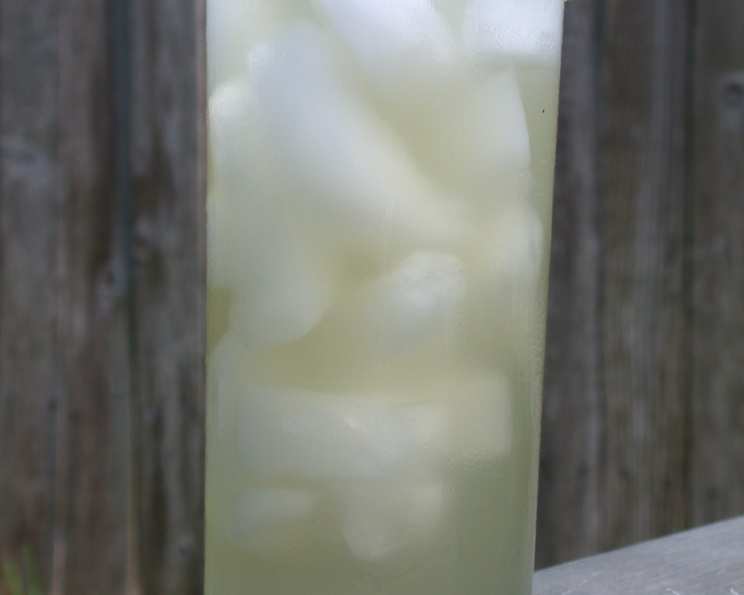
Cool and Refreshing Melon Juice: A Chef’s Secret
The sticky sweetness of summer melons always brings me back to my childhood. I remember sitting on my grandmother’s porch, juice dripping down my chin as I devoured slice after slice of perfectly ripe cantaloupe. Even then, I was fascinated by the seeds, the tiny promise of future harvests. My grandmother, ever the resourceful cook, would always say, “Don’t you dare throw those away! There’s magic in those seeds.” Little did I know, she was hinting at this incredibly refreshing and surprisingly flavorful melon juice.
Recipe Overview
- Prep Time: 5 minutes
- Cook Time: 0 minutes
- Total Time: Overnight chilling + 3 minutes
- Servings: 6
- Yield: Approximately 6 cups
- Dietary Type: Vegan, Gluten-Free, Dairy-Free
Ingredients
- Seeds and pulp from 2 melons (cantaloupe or honeydew recommended; watermelon is not recommended)
- 3 cups water
- 4 tablespoons sugar (or to taste)
Equipment Needed
- Blender
- Fine-mesh strainer or cheesecloth
- Large bowl or pitcher
- Spoon
Instructions
- Prepare the Melon Mixture: When you scoop out the seeds from your melons, don’t discard any of the juicy pulp clinging to them. That’s where a lot of flavor is concentrated. Place the seeds, pulp, and all the gooey goodness into your blender.
- Add Water: Pour the 3 cups of water into the blender, ensuring the seeds and pulp are submerged.
- Blend Briefly: Blend the mixture briefly, for about 20 seconds. You’re not trying to pulverize the seeds completely, just break them down enough to release their flavor. Over-blending can make the juice bitter.
- Refrigerate Overnight: Pour the blended mixture into a container and refrigerate overnight. This allows the flavors to meld and the water to extract the essence from the seeds and pulp. The chilling process is crucial for the best flavor.
- Strain the Juice: The next day, it’s time to strain the juice. Place a fine-mesh strainer (or line a regular strainer with cheesecloth) over a large bowl or pitcher. Pour the chilled melon mixture through the strainer.
- Discard Solids: Allow the juice to drip through the strainer. You can gently press on the solids with a spoon to extract as much liquid as possible, but avoid forcing it, as this can make the juice cloudy. Discard the pulp and seed bits left in the strainer.
- Sweeten to Taste: Add sugar to the strained juice, starting with 4 tablespoons. Stir well until the sugar is completely dissolved. Taste and adjust the sweetness as needed. Remember, the sweetness of the melon itself will vary, so you might need more or less sugar depending on the ripeness of your fruit.
- Serve Chilled: Serve the melon juice cold, over ice cubes. Garnish with a slice of fresh melon, if desired.
Expert Tips & Tricks
- Melon Selection is Key: The flavor of your melon juice will depend heavily on the quality of the melon you use. Choose ripe, fragrant melons that feel heavy for their size. Avoid melons with soft spots or bruises.
- Don’t Over-Blend: As mentioned earlier, over-blending the seeds can release bitter compounds. Keep the blending time short and sweet.
- Cheesecloth for Extra Clarity: For the clearest juice, line your strainer with a double layer of cheesecloth. This will remove even the tiniest particles of pulp.
- Sweetness Control: Instead of granulated sugar, you can use honey, agave nectar, or simple syrup to sweeten the juice. Adjust the amount to your personal preference.
- Infusion Ideas: Experiment with infusing the juice with other flavors. Add a few sprigs of mint or a slice of ginger to the blender for a refreshing twist.
- Preventing Separation: If the juice separates after straining, simply stir it well before serving.
Serving & Storage Suggestions
Serve melon juice ice-cold on a hot day for ultimate refreshment. It’s a wonderful addition to brunch, a delightful afternoon pick-me-up, or a healthy alternative to sugary drinks. For a sophisticated presentation, serve in chilled glasses garnished with melon wedges or mint sprigs.
Leftover melon juice can be stored in the refrigerator for up to 2-3 days. After this time, the flavor and quality may begin to decline. It is not recommended to freeze melon juice, as it can alter the texture and taste.
Nutritional Information
| Nutrient | Amount per Serving | % Daily Value |
|---|---|---|
| Calories | 33 kcal | 2% |
| Total Fat | 0 g | 0% |
| Saturated Fat | 0 g | 0% |
| Cholesterol | 0 mg | 0% |
| Sodium | 2 mg | 0% |
| Total Carbohydrate | 8 g | 3% |
| Dietary Fiber | 0 g | 0% |
| Sugars | 8 g | 16% |
| Protein | 0 g | 0% |
Note: Nutritional information is an estimate and may vary based on specific ingredients and portion sizes.
Variations & Substitutions
- Citrus Burst: Add a squeeze of lime or lemon juice to brighten the flavor.
- Spice It Up: A pinch of ground ginger or cardamom can add warmth and complexity.
- Herbal Infusion: Muddle fresh basil or mint leaves into the juice for an aromatic twist.
- Sparkling Melon Juice: Top the finished juice with sparkling water or club soda for a fizzy refreshment.
- Mixed Melon Magic: Combine the seeds and pulp from different types of melons (e.g., cantaloupe and honeydew) for a unique flavor profile.
- Sweetener Alternatives: Use honey, agave, stevia, or your preferred sweetener instead of sugar.
FAQs (Frequently Asked Questions)
Q: Can I use watermelon seeds for this juice?
A: While you can technically use watermelon seeds, the flavor will be quite different. Cantaloupe and honeydew seeds tend to produce a sweeter, more refreshing juice. Watermelon seeds can sometimes result in a slightly more bitter taste.
Q: Do I need to remove the outer shell of the melon seeds before blending?
A: No, there is no need to remove the outer shell. The blender will break them down sufficiently. However, if you are concerned about a slightly gritty texture, you can try to remove some of the shells, but it is not necessary.
Q: Can I skip the overnight chilling?
A: While you can skip the overnight chilling in a pinch, it is highly recommended for optimal flavor. The chilling period allows the water to fully extract the flavor from the seeds and pulp, resulting in a much more flavorful and refreshing juice.
Q: How can I make the juice less sweet?
A: Reduce the amount of sugar you add, or use a natural sweetener like stevia. You can also balance the sweetness with a squeeze of lemon or lime juice.
Q: My juice is cloudy. What did I do wrong?
A: A cloudy juice is usually caused by over-blending the seeds or pressing too hard on the solids while straining. To avoid this, blend the mixture briefly and gently strain the juice, allowing it to drip through on its own. Using cheesecloth can also help filter out finer particles.
Final Thoughts
This melon juice is more than just a refreshing drink; it’s a celebration of summer’s bounty and a testament to the resourcefulness of home cooking. Don’t let those melon seeds go to waste! Embrace the simplicity of this recipe and create a delicious, naturally sweet beverage that will delight your taste buds. I encourage you to experiment with different melons and flavor combinations to find your perfect blend. Share your creations and feedback – I’d love to hear what you come up with! This juice pairs wonderfully with a light summer salad or grilled fish. Enjoy!