
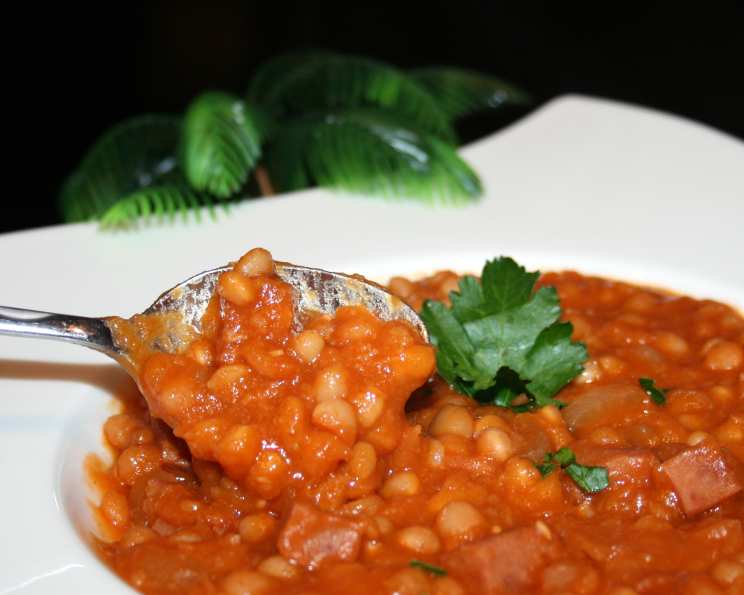
Mennonite Traditional Baked Beans: A Taste of Simplicity and Heritage
The scent of molasses, ham, and slow-cooked beans still takes me back to Grandma’s kitchen. I remember being knee-high, perched on a stool, watching her expertly layer ingredients into a massive stoneware crock. The anticipation was almost unbearable as the savory aromas filled the air, promising a meal that was both comforting and deeply satisfying. These weren’t just baked beans; they were a taste of heritage, a tangible connection to generations past, and a reminder of the simple pleasures of good food shared with loved ones.
Recipe Overview
- Prep Time: 24 hours 30 minutes
- Cook Time: 4 hours
- Total Time: 28 hours 30 minutes
- Servings: 6
- Yield: 6 servings
- Dietary Type: Varies (can be adapted to be gluten-free and dairy-free)
Ingredients
- 2 cups dried navy beans (or Great Northern beans)
- ½ teaspoon salt
- 1 small bay leaf
- ½ teaspoon dry mustard
- ½ cup brown sugar
- 1 onion, diced
- 1 ham bone
- 1 cup cooked ham, diced
- 2 cups tomato juice (may need more or less)
Equipment Needed
- Large saucepan
- Large covered roaster (or Dutch oven)
Instructions
-
Begin by preparing the navy beans. Place the dried navy beans in a large saucepan, and pour in enough water to cover them completely. Ensure there’s ample water as the beans will absorb a significant amount during soaking. Soak the beans overnight (approximately 24 hours). This crucial step helps to soften the beans and reduce cooking time, while also removing some of the compounds that can cause digestive discomfort.
-
The next day, drain the soaked beans thoroughly. Return the drained beans to the same saucepan, and add 3-4 cups of fresh water.
-
Bring the water to a boil over high heat. Once boiling, reduce the heat to medium-low and cook the beans until their skins wrinkle; this usually takes about 30 minutes. This parboiling stage further softens the beans and prepares them for the long, slow bake.
-
While the beans are parboiling, prepare the other ingredients. In a large covered roaster (a Dutch oven also works well), combine the following: salt, bay leaf, dry mustard, brown sugar, diced onion, ham bone, and diced ham. This flavorful base will infuse the beans with a rich, savory, and slightly sweet taste.
-
Once the beans are parboiled and the skins have wrinkled, drain them thoroughly again. Add the drained beans to the roaster, on top of the other ingredients.
-
Now, add the tomato juice. Pour enough tomato juice over the beans to just cover them. You may need slightly more or less than 2 cups, depending on the size of your roaster and the volume of the beans. The tomato juice provides acidity, moisture, and a subtle tang that complements the other flavors.
-
Cover the roaster tightly with its lid.
-
Bake the beans in a preheated oven at 300°F (150°C) for 4 hours. This slow, low-temperature baking is key to achieving the signature tenderness and deep flavor of Mennonite baked beans.
-
Throughout the baking process, it’s essential to monitor the moisture level. During the 4-hour baking time, add additional tomato juice or water as necessary to keep the beans from drying out. Check the beans every hour or so, adding liquid if the top layer appears dry. You want the beans to remain moist and slightly saucy throughout the cooking process.
-
After 4 hours, carefully remove the roaster from the oven. The beans should be tender and the sauce thickened. Let the beans rest for at least 15 minutes before serving. This allows the flavors to meld even further.
Expert Tips & Tricks
- The Ham Bone Secret: The ham bone is crucial for imparting that authentic, smoky flavor. If you don’t have a leftover ham bone, consider using smoked ham hocks instead. They’ll add a similar depth of flavor, though you might need to adjust the cooking time slightly.
- Sweetness Adjustment: The amount of brown sugar can be adjusted to your preference. If you prefer a less sweet dish, start with 1/4 cup and add more to taste after the beans have baked for a couple of hours.
- Spice It Up: For a touch of heat, add a pinch of red pepper flakes or a dash of your favorite hot sauce to the bean mixture before baking.
- Make-Ahead Marvel: These baked beans are even better the next day! The flavors meld and deepen as they sit. Prepare them a day ahead of time and simply reheat before serving.
Serving & Storage Suggestions
Serve these Mennonite Traditional Baked Beans warm, straight from the roaster. They make an excellent side dish for grilled meats, roasted chicken, or even as a hearty addition to a potluck. Garnish with a sprinkle of fresh parsley or chives for a pop of color.
Leftover baked beans should be stored in an airtight container in the refrigerator. They will keep for up to 3-4 days. To reheat, simply warm them gently in a saucepan over medium heat, stirring occasionally, or microwave in short intervals until heated through.
For longer storage, you can freeze the baked beans. Allow them to cool completely before transferring them to freezer-safe containers or bags. They can be frozen for up to 2-3 months. Thaw them overnight in the refrigerator before reheating.
Nutritional Information
| Nutrient | Amount per Serving | % Daily Value |
|---|---|---|
| Calories | 400 kcal | 20% |
| Total Fat | 8g | 10% |
| Saturated Fat | 2g | 10% |
| Cholesterol | 25mg | 8% |
| Sodium | 500mg | 21% |
| Total Carbohydrate | 70g | 25% |
| Dietary Fiber | 20g | 80% |
| Sugars | 25g | – |
| Protein | 25g | 50% |
Note: Nutritional information is an estimate and may vary based on specific ingredients and preparation methods.
Variations & Substitutions
- Vegetarian Option: Omit the ham bone and diced ham for a vegetarian version. You can add a teaspoon of smoked paprika to mimic the smoky flavor or use a vegetarian “ham” substitute.
- Gluten-Free: Ensure your ham is gluten-free to make this recipe entirely gluten-free.
- Maple Syrup Twist: Substitute some of the brown sugar with maple syrup for a slightly different flavor profile. Start with 1/4 cup of maple syrup and adjust to taste.
- Molasses Magic: A tablespoon of molasses can deepen the flavor and add a richer, more complex sweetness. Add it along with the brown sugar.
- Bean Variety: While navy beans are traditional, you can experiment with other types of beans such as kidney beans, pinto beans, or even a combination.
FAQs (Frequently Asked Questions)
Q: Can I use canned beans instead of dried beans?
A: While it’s possible, the flavor and texture will be significantly different. Canned beans are already cooked, so they will become mushy during the long baking time. Dried beans are highly recommended for the best results.
Q: Why do I need to soak the beans overnight?
A: Soaking helps to soften the beans, reduce cooking time, and remove some of the compounds that can cause digestive discomfort.
Q: What if I don’t have a roaster?
A: A Dutch oven works perfectly as a substitute for a roaster. Any large, oven-safe pot with a tight-fitting lid will do.
Q: How do I know when the beans are done?
A: The beans are done when they are tender and easily mashed with a fork. The sauce should be thick and slightly sticky.
Q: Can I make this in a slow cooker?
A: Yes, you can adapt this recipe for a slow cooker. After soaking and parboiling the beans, combine all ingredients in the slow cooker and cook on low for 6-8 hours, or on high for 3-4 hours, until the beans are tender. Check the liquid level periodically and add more tomato juice or water as needed.
Final Thoughts
These Mennonite Traditional Baked Beans are more than just a recipe; they’re a culinary journey through time, a taste of heritage, and a celebration of simple, wholesome ingredients. I encourage you to try this recipe and experience the comforting flavors for yourself. Feel free to experiment with variations and substitutions to make it your own. And don’t forget to share your creations and feedback – I’d love to hear how it turns out! Pair these beans with some cornbread or coleslaw for a truly satisfying meal.