
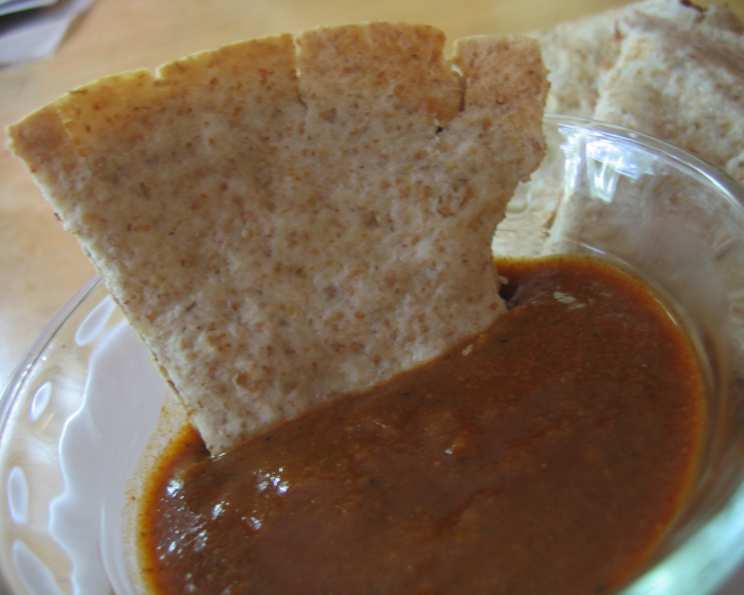
Mesa Red Sauce: A Culinary Cornerstone
My first taste of authentic Southwestern cuisine was a revelation. It wasn’t just the heat of the chiles or the earthy aroma of cumin; it was the soulfulness of the sauces that truly captivated me. I remember distinctly a small, family-run restaurant in Santa Fe, New Mexico. The enchiladas were good, but it was the red sauce draped over them – rich, smoky, and deeply flavorful – that left an indelible mark. It tasted like pure history, a legacy passed down through generations. I knew right then that I had to learn how to make something even close to that magic myself. This Mesa Red Sauce is my attempt to capture that unforgettable flavor.
Recipe Overview
- Prep Time: 15 minutes
- Cook Time: 35 minutes
- Total Time: 50 minutes
- Yield: 4 cups
- Servings: 8
- Dietary Type: Vegan
Ingredients
- 2 tablespoons vegetable oil
- ½ onion, diced
- 6 garlic cloves, minced
- 4 tablespoons masa harina
- 4 tablespoons dried ancho chile powder
- ½ teaspoon cumin
- ¼ teaspoon cayenne pepper
- 1 teaspoon salt
- ½ teaspoon cracked pepper
- 1 teaspoon oregano
- 4 cups vegetable stock or 4 cups water, heated
- 2 tablespoons tomato paste
- 1 teaspoon brown sugar
Equipment Needed
- Saucepan
- Whisk
Instructions
- Begin by heating the vegetable oil in a saucepan over medium-high heat. Once the oil is shimmering, add the diced onion and sauté until it becomes translucent, usually about 5-7 minutes. Stir occasionally to ensure even cooking and prevent burning.
- Add the minced garlic to the softened onions and cook for approximately 3 minutes, stirring constantly. Be careful not to burn the garlic, as it will impart a bitter flavor to the sauce. The garlic should be fragrant and lightly golden.
- Now, the key to this sauce’s unique texture lies in the masa harina. Sprinkle it into the saucepan and stir constantly as it cooks, allowing it to turn a lovely golden brown. This process, which should take a few minutes, is crucial for thickening the sauce and adding a subtle corn flavor.
- Introduce the spices: add the dried ancho chile powder, cumin, cayenne pepper, salt, cracked pepper, and oregano to the mixture. Stir for another 2 minutes to toast the spices, which will bloom their flavors and release their aromas. Be mindful to keep stirring to prevent burning.
- Gradually whisk in the warm vegetable stock (or heated water, if using). It’s important to add the liquid slowly while whisking continuously to prevent lumps from forming. Bring the mixture to a boil, then reduce the heat to a simmer.
- Whisk in the tomato paste and brown sugar. These ingredients will add depth of flavor and a touch of sweetness to balance the heat.
- Simmer the sauce partially covered for 30 minutes, stirring regularly. This allows the flavors to meld together beautifully. Keep the heat low to prevent sticking or scorching. Taste and adjust seasonings as needed. More salt may be necessary.
Expert Tips & Tricks
- Chile Selection: The quality of your ancho chile powder significantly impacts the final flavor. Seek out high-quality, freshly ground powder for the best results. If you can find whole dried ancho chiles, rehydrate them and grind them yourself for even more vibrant flavor.
- Spice Level Control: Adjust the amount of cayenne pepper to control the heat level. For a milder sauce, omit the cayenne entirely or use a pinch of smoked paprika for a smoky depth without the spice.
- Masa Harina Alternative: If you don’t have masa harina on hand, you can substitute it with all-purpose flour, but the flavor will be slightly different. You can also use a corn starch slurry.
- Simmering is Key: Don’t rush the simmering process. This is where the flavors truly develop and the sauce thickens to the perfect consistency.
- Make-Ahead Magic: Mesa Red Sauce can be made ahead of time and stored in the refrigerator for up to 5 days. This is a great way to save time when preparing a larger meal.
Serving & Storage Suggestions
Mesa Red Sauce is incredibly versatile and can be used in countless ways. It is classically served over enchiladas, quesadillas, huevos rancheros, and tamales. It’s also delicious as a dipping sauce for tortilla chips, a topping for grilled meats, or as a base for stews and soups.
To store leftovers, let the sauce cool completely before transferring it to an airtight container. It can be stored in the refrigerator for up to 5 days or frozen for up to 3 months. To reheat, gently warm it in a saucepan over low heat, stirring occasionally. If the sauce has thickened too much during storage, add a splash of water or vegetable stock to thin it out.
Nutritional Information
| Nutrient | Amount per Serving | % Daily Value |
|---|---|---|
| Calories | 67 kcal | – |
| Calories from Fat | 37 g | 56% |
| Total Fat | 4.2 g | 6% |
| Saturated Fat | 0.6 g | 2% |
| Cholesterol | 0 mg | 0% |
| Sodium | 389.3 mg | 16% |
| Total Carbohydrate | 7.6 g | 2% |
| Dietary Fiber | 2 g | 8% |
| Sugars | 1.7 g | – |
| Protein | 1.3 g | 2% |
Variations & Substitutions
- Smoked Mesa Red Sauce: Add a teaspoon of smoked paprika along with the other spices for a deeper, smokier flavor.
- Spicier Mesa Red Sauce: Incorporate a pinch of chile de arbol powder or a finely chopped serrano pepper for extra heat.
- Vegetarian Mesa Red Sauce: Ensure your vegetable stock is vegetarian-friendly. Most commercially available vegetable stocks are suitable.
- Sweet Mesa Red Sauce: If you prefer a sweeter sauce, increase the amount of brown sugar to taste.
- Rich Mesa Red Sauce: Add a tablespoon of unsweetened cocoa powder for richness.
FAQs (Frequently Asked Questions)
Q: Can I use fresh chiles instead of chile powder?
A: Absolutely! You’ll need to rehydrate dried ancho chiles, remove the seeds and stems, and then blend them into a paste before adding them to the sauce. The flavor will be even more authentic.
Q: My sauce is too thin. How can I thicken it?
A: Simmer the sauce uncovered for a longer period to allow excess moisture to evaporate. You can also add a cornstarch slurry (1 tablespoon cornstarch mixed with 2 tablespoons of cold water) to thicken it quickly.
Q: How do I prevent the sauce from sticking to the bottom of the pan?
A: Stir the sauce regularly, especially during the simmering process. Using a heavy-bottomed saucepan can also help to distribute heat more evenly and prevent sticking.
Q: Can I use chicken or beef stock instead of vegetable stock?
A: Yes, but the flavor profile will change. Chicken or beef stock will add a richer, meatier flavor to the sauce, which may not be desirable if you’re aiming for a classic Mesa Red Sauce.
Q: What is masa harina, and why is it important in this recipe?
A: Masa harina is a finely ground corn flour that has been treated with an alkaline solution. It is essential for thickening the sauce and adding a subtle corn flavor that is characteristic of Southwestern cuisine.
Final Thoughts
This Mesa Red Sauce is more than just a condiment; it’s a taste of tradition, a symphony of flavors that evoke the spirit of the Southwest. I encourage you to try this recipe and experience the magic for yourself. Don’t be afraid to experiment with the spices and adjust the heat level to your liking. Share your creations and feedback – I’d love to hear how you make this recipe your own. Consider serving this sauce with homemade tamales or a cheesy quesadilla for a complete and satisfying meal. Enjoy!