
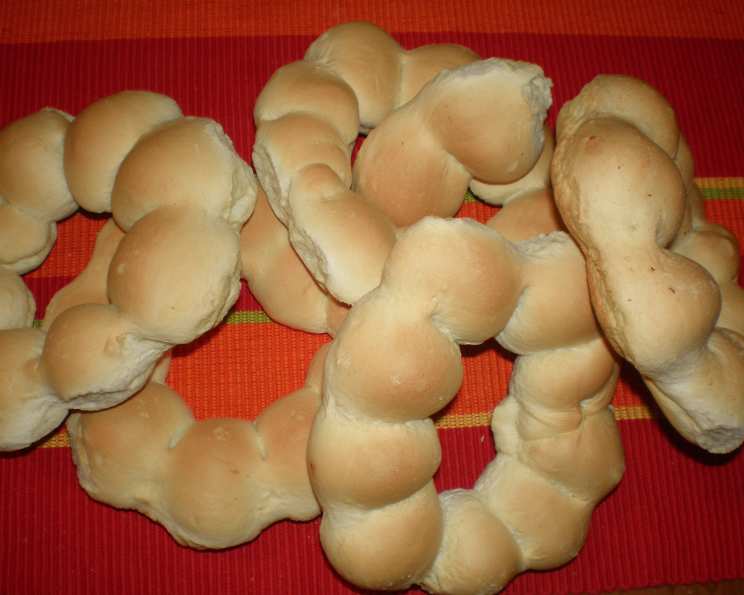
Methismena: The Delightfully “Drunk” Greek Cookies
The aroma always brings me back. My Yiayia (grandmother) in her sun-drenched kitchen, flour dusting her apron, and the air thick with the anise scent of ouzo. As a child, I’d watch, mesmerized, as she transformed simple ingredients into these unique, almost magically textured cookies. We always giggled calling them “drunk cookies” because of the ouzo, though I suspect the real magic came from Yiayia’s love and patience, kneaded into every bite. These weren’t just cookies; they were edible memories, sweet whispers of family and tradition.
Recipe Overview
- Prep Time: 20 minutes
- Cook Time: 40 minutes
- Total Time: 1 hour
- Servings: 16
- Yield: About 32 cookies
- Dietary Type: Vegetarian (easily adaptable to Vegan – see variations)
Ingredients
- 1 kg flour (high quality, all-purpose or bread flour recommended)
- ½ cup olive oil (extra virgin or light tasting)
- 28 g baking ammonia (ammonium bicarbonate)
- 200 g sugar (granulated)
- 2 cups ouzo (plus extra, as needed)
Equipment Needed
- Large mixing bowl
- Small bowls for dissolving
- Baking sheets
- Parchment paper or silicone baking mats
- Oven
Instructions
-
Begin by preparing the base. In a large mixing bowl, combine the flour and olive oil. Use your fingertips or a pastry blender to work the olive oil into the flour until the mixture resembles coarse crumbs. This ensures an even distribution of the fat.
-
Next, dissolve the flavor enhancers. In one small bowl, dissolve the sugar in ½ cup of ouzo. Stir well until the sugar is completely dissolved. In another small bowl, dissolve the baking ammonia in a little more ouzo. The baking ammonia will fizz, which is normal.
-
Combine the wet and dry ingredients. Pour the sugar-ouzo mixture and the baking ammonia-ouzo mixture into the flour mixture.
-
Now for the most crucial step: incorporating the remaining ouzo and forming the dough. Gradually add more ouzo to the mixture, a little at a time, kneading gently, until a firm dough forms. The amount of ouzo needed may vary depending on the humidity and the flour used. Aim for a dough that is pliable but not sticky.
-
This is where the patience comes in. Knead the dough by hand in very small amounts. Take a portion of the dough and knead it until it becomes fluffy. Repeat with the remaining dough. This step is essential for the cookie’s unique, airy texture. Alternatively, you can use a food processor, processing the dough in small batches to achieve a similar fluffy consistency. Be careful not to over-process.
-
Preheat your oven to 350°F (175°C). Line baking sheets with parchment paper or silicone baking mats.
-
Shape the cookies. Pinch off small, egg-sized pieces of dough. Roll each piece under the palm of your hands into a 9-inch rope, about the thickness of your finger.
-
Form the signature twist. Bring the two ends of the rope together and pinch them closed, forming a twisted or braided shape.
-
Arrange the cookies on the prepared baking sheets, leaving some space between each cookie.
-
Bake the cookies for approximately 40 minutes, or until they are done. Methismena should be white (not browned) and very crispy when properly baked. Check the cookies after 30 minutes, and rotate the baking sheets if necessary to ensure even baking. The cookies should feel firm to the touch when done.
-
Let the cookies cool completely on the baking sheets before transferring them to a wire rack to cool further.
Expert Tips & Tricks
- Baking Ammonia (Ammonium Bicarbonate): This is a crucial ingredient for the traditional texture of Methismena. It acts as a leavening agent, creating a light and airy cookie. Do not substitute with baking soda or baking powder, as the results will be different.
- The Ouzo Secret: The amount of ouzo may vary depending on the flour’s absorption. Add it gradually, and don’t be afraid to add a little more if the dough seems too dry.
- Kneading Technique: Kneading in small batches is key to achieving the desired texture. This prevents overworking the gluten and ensures a light, airy cookie.
- Doneness Check: The cookies should be white and crispy, not browned. Don’t be tempted to over-bake them.
- Cooling is Key: Allow the cookies to cool completely before storing. This will prevent them from becoming soggy.
Serving & Storage Suggestions
Methismena are traditionally served as a treat with coffee or tea. Their subtle anise flavor pairs beautifully with strong, dark coffee. They are also delicious on their own as a light snack.
Store the cooled cookies in an airtight container at room temperature. They will keep for up to 2 weeks. The cookies can also be frozen for longer storage. Thaw them at room temperature before serving.
Nutritional Information
(Estimated values per cookie – will vary based on actual serving size)
| Nutrient | Amount per Serving | % Daily Value |
|---|---|---|
| Calories | 125 kcal | 6% |
| Total Fat | 5g | 8% |
| Saturated Fat | 1g | 5% |
| Cholesterol | 0mg | 0% |
| Sodium | 1mg | 0% |
| Total Carbohydrate | 18g | 6% |
| Dietary Fiber | 0.5g | 2% |
| Sugars | 5g | |
| Protein | 2g | 4% |
Variations & Substitutions
- Vegan Methismena: Substitute the olive oil with another vegetable oil of your choice. Ensure the sugar used is vegan. Baking ammonia is vegan.
- Lemon Zest: Add 1 tablespoon of lemon zest to the dough for a bright, citrusy flavor.
- Orange Zest: Similarly, add 1 tablespoon of orange zest for a warmer, more aromatic cookie.
- Spices: A pinch of ground cinnamon or nutmeg can add a touch of warmth and complexity to the flavor.
- Gluten-Free: This recipe is difficult to adapt to gluten-free without significantly altering the texture. However, experimenting with a high-quality gluten-free all-purpose flour blend, along with a binding agent like xanthan gum, may yield acceptable results.
FAQs (Frequently Asked Questions)
Q: Why is baking ammonia used instead of baking powder?
A: Baking ammonia (ammonium bicarbonate) provides a unique airy texture that is characteristic of Methismena. Baking powder will produce a different, less traditional result.
Q: Can I use a different type of alcohol instead of ouzo?
A: While ouzo is the traditional choice and imparts a distinct anise flavor, you could experiment with other anise-flavored liqueurs, such as Pernod or Sambuca. However, the flavor will be different.
Q: Why is it important to knead the dough in small batches?
A: Kneading in small batches prevents overworking the gluten in the flour, which would result in a tough cookie. The gentle kneading in small amounts helps to create a light and airy texture.
Q: The cookies are white even after 40 minutes of baking. Is that normal?
A: Yes, Methismena are traditionally white or very pale golden in color. The key is to ensure they are crispy and firm to the touch.
Q: How do I store the cookies to keep them crispy?
A: Store the cooled cookies in an airtight container at room temperature. Avoid storing them in a humid environment, as this can cause them to soften.
Final Thoughts
Now it’s your turn to weave your own memories into these delightful “drunk cookies.” Don’t be intimidated by the unique ingredients or the kneading technique; embrace the process, let the aroma of ouzo fill your kitchen, and enjoy the magic of creating a traditional Greek treat. Share your creations with loved ones and let the conversation flow as freely as the ouzo in these delicious Methismena. Kali Orexi! (Good Appetite!)