
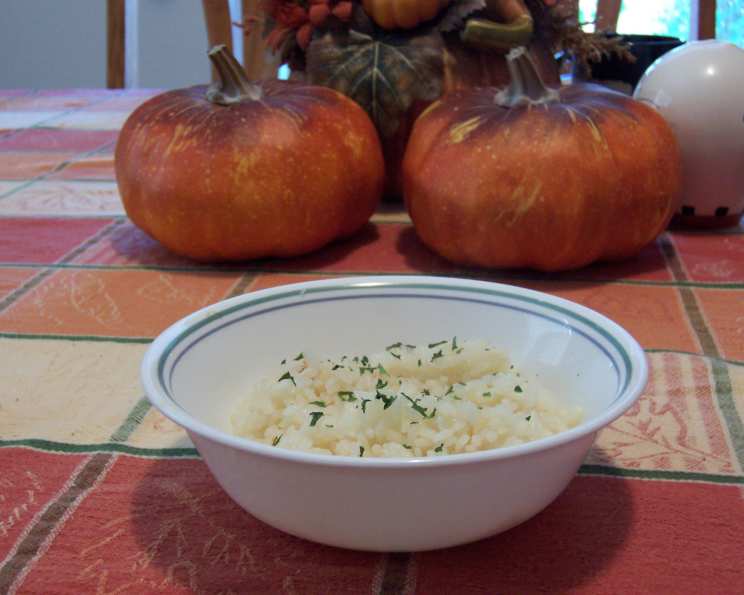
The Soul of Mexican Cooking: Mastering Arroz Blanco
My earliest memories of my abuela’s kitchen are filled with the comforting aroma of simmering rice. Not just any rice, but arroz blanco, the humble yet essential foundation upon which countless Mexican meals are built. I remember standing on a wobbly stool, watching her expertly toast the grains until they shimmered like golden jewels, a crucial step she always emphasized. The gentle sizzle, the savory fragrance – it was pure kitchen magic, and it instilled in me a lifelong appreciation for the art of perfectly cooked rice. To this day, the taste of well-made arroz blanco instantly transports me back to her warm embrace and the heart of our family’s culinary traditions.
Recipe Overview
- Prep Time: 15 minutes
- Cook Time: 23 minutes
- Total Time: 38 minutes
- Servings: 8
- Yield: About 6 cups
- Dietary Type: Gluten-Free
Ingredients
- 3 cups long-grain white rice
- 1 cup finely chopped white onion
- 2 large garlic cloves, finely chopped
- 3 tablespoons vegetable oil
- 1 cup chicken broth
- 4 cups water
- 2 teaspoons salt
Equipment Needed
- Large bowl
- Kitchen towel
- Wide 4-5 quart heavy pot or deep skillet with a tight-fitting lid
- Fork
Instructions
- Begin by preparing the rice. In a large bowl, bring about 6 cups of water to a boil. Pour the boiling water over the rice. Allow the rice to soak until it has turned a more opaque white color, which should take about 2 to 3 minutes. Soaking the rice removes excess starch, resulting in a fluffier final product. The rice can be soaked for up to 4 hours if needed, but ensure it’s properly drained and dried before cooking.
- Thoroughly drain the soaked rice and spread it out evenly on a clean kitchen towel. Allow the rice to dry for at least one hour. This crucial step helps the rice grains separate during cooking, preventing a sticky or gummy texture. The longer the rice dries, the better the final texture will be.
- In a wide 4-5 quart heavy pot or a deep skillet, heat the vegetable oil over medium heat. Add the finely chopped white onion and finely chopped garlic cloves to the hot oil. Cook, stirring frequently, until the onion and garlic have softened and become fragrant, about 3 minutes. Be careful not to burn the garlic, as it can impart a bitter taste to the rice.
- Add the dried rice to the pot with the onion and garlic. Cook over medium-high heat, stirring constantly, until the rice begins to turn a pale golden color, about 5 minutes. This toasting process is essential for developing the nutty flavor characteristic of authentic arroz blanco. Ensure the rice is evenly coated with the oil and that it’s constantly stirred to prevent burning.
- Pour in the chicken broth and water into the pot. Add 2 teaspoons of salt. Increase the heat to high and bring the mixture to a boil. The chicken broth adds depth of flavor to the rice, but it can be substituted with water for a vegetarian option.
- Once the mixture is boiling, immediately reduce the heat to low. Cover the pot tightly with a lid. It is crucial to maintain a tight seal to ensure the rice steams properly and cooks evenly.
- Cook the rice over low heat for 18 to 20 minutes, or until all the liquid has been absorbed and the rice is tender. Avoid lifting the lid during this time, as it can release steam and prolong the cooking process.
- Remove the pot from the heat and let it stand, covered, for 5 minutes. This allows the rice to further steam and finish cooking.
- Finally, remove the lid and gently fluff the rice with a fork to separate the grains. Serve immediately and enjoy!
Expert Tips & Tricks
- Toasting the Rice is Key: Don’t rush the toasting process. Allowing the rice to turn a pale golden color enhances its flavor and prevents it from becoming mushy.
- Proper Drying Prevents Stickiness: Ensure the rice is thoroughly dried after soaking. This step is critical for achieving a fluffy, separate-grain texture.
- The Right Pot Matters: Use a heavy-bottomed pot or skillet to ensure even heat distribution and prevent scorching.
- Chicken Broth Substitute: For a vegetarian version, substitute the chicken broth with vegetable broth or simply use water.
- Doneness Test: If you’re unsure if the rice is done, gently press a few grains with a fork. They should be tender and slightly firm, not mushy or crunchy. If there’s still liquid in the pot, continue cooking for a few more minutes.
- Salt Adjustment: Adjust the amount of salt to your preference. Remember that chicken broth can sometimes be salty, so taste before adding the full amount.
Serving & Storage Suggestions
Arroz blanco is a versatile dish that pairs well with a wide variety of Mexican and other cuisines. Serve it alongside classic dishes like enchiladas, tacos, carne asada, or chili rellenos. It also makes a great base for grain bowls or as a side dish for grilled meats and vegetables.
To store leftover arroz blanco, allow it to cool completely before transferring it to an airtight container. Store it in the refrigerator for up to 4 days. To reheat, add a tablespoon or two of water or broth to the rice and microwave it on low power, stirring occasionally, until heated through. You can also reheat it in a saucepan over low heat, adding a little liquid to prevent it from drying out.
Arroz blanco can also be frozen for longer storage. Spread the cooled rice out on a baking sheet and freeze it in a single layer. Once frozen, transfer it to a freezer bag or airtight container. Frozen arroz blanco can be stored for up to 2 months. To reheat, thaw it in the refrigerator overnight or microwave it on low power until thawed.
Nutritional Information
| Nutrient | Amount per Serving | % Daily Value |
|---|---|---|
| Calories | 312.8 kcal | N/A |
| Calories from Fat | 51 g | N/A |
| Total Fat | 5.8 g | 8% |
| Saturated Fat | 0.8 g | 4% |
| Cholesterol | 0 mg | 0% |
| Sodium | 102 mg | 4% |
| Total Carbohydrate | 57.9 g | 19% |
| Dietary Fiber | 1.2 g | 4% |
| Sugars | 1 g | N/A |
| Protein | 5.8 g | 11% |
Note: Nutritional information is an estimate and may vary based on specific ingredients and cooking methods.
Variations & Substitutions
- Vegetarian/Vegan: Use vegetable broth or water instead of chicken broth. Ensure the vegetable broth is vegan-friendly if needed.
- Herbs & Spices: Add a bay leaf or a sprig of epazote during cooking for extra flavor. You can also stir in chopped cilantro or parsley after cooking.
- Saffron Infusion: For a luxurious touch, infuse the cooking liquid with a pinch of saffron threads. This will impart a beautiful color and subtle flavor.
- Spicy Arroz Blanco: Add a finely chopped jalapeño or serrano pepper to the pot along with the onion and garlic for a spicy kick.
- Lime Zest: Stir in the zest of one lime after cooking for a bright, citrusy flavor.
FAQs (Frequently Asked Questions):
Q: Why is my arroz blanco sticky?
A: Sticky rice is usually caused by not rinsing or drying the rice properly before cooking. The soaking and drying process removes excess starch that contributes to stickiness.
Q: Can I use short-grain rice for arroz blanco?
A: While you can, long-grain rice is highly recommended. Short-grain rice tends to be starchier and will result in a stickier texture.
Q: How do I prevent the rice from burning on the bottom of the pot?
A: Use a heavy-bottomed pot and ensure the heat is set to low once the rice begins to simmer. Avoid lifting the lid during cooking to maintain consistent temperature and moisture.
Q: Can I make arroz blanco in a rice cooker?
A: Yes, you can. Follow the manufacturer’s instructions for cooking white rice, but consider toasting the rice in a skillet before adding it to the rice cooker for enhanced flavor.
Q: How can I add more flavor to my arroz blanco?
A: Use chicken or vegetable broth instead of water, add herbs and spices like bay leaf or cumin, or sauté vegetables like carrots or peas along with the onion and garlic.
Final Thoughts
Arroz blanco is more than just rice; it’s a staple, a blank canvas, and a symbol of home for many. I encourage you to try this recipe and experience the simple pleasure of perfectly cooked rice. Don’t be afraid to experiment with different variations and flavor combinations to create your own signature dish. Share your creations with family and friends and let the comforting aroma of arroz blanco fill your kitchen with warmth and joy. Whether you serve it alongside tacos, enchiladas, or a simple grilled chicken, arroz blanco is sure to be a welcomed addition to any meal. ¡Buen provecho!