
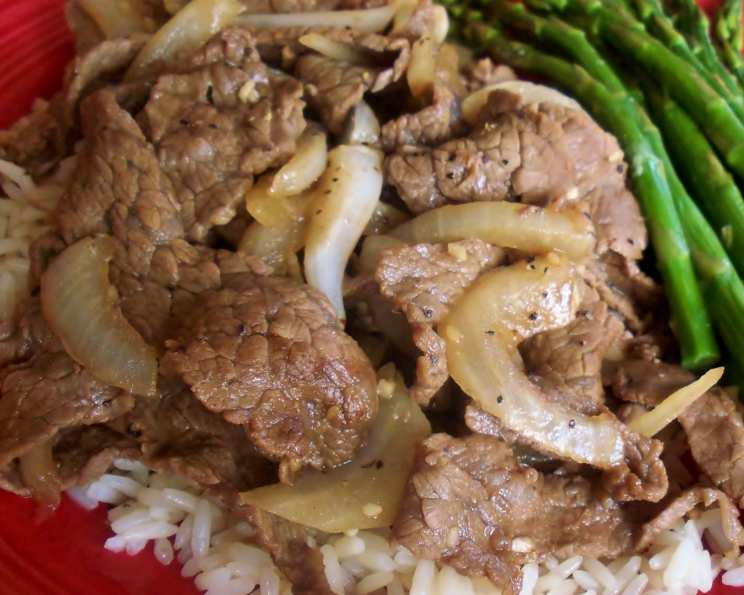
Mika’s Bulgogi: A Taste of Korea at Home
The aroma still pulls me back – sesame oil sizzling in the pan, the sweet and savory scent of marinated beef dancing through the air. It was a small, bustling Korean restaurant, tucked away on a rainy Seattle street, where I first encountered Bulgogi. I was a fresh-faced culinary student, overwhelmed by the city’s vibrant food scene, and this simple dish, served with a humble bowl of rice and kimchi, felt like a warm, comforting hug. It sparked a lifelong passion for Korean cuisine, one that I’m thrilled to share with you.
Recipe Overview
- Prep Time: 15 minutes
- Cook Time: 10 minutes
- Total Time: 25 minutes (plus overnight marinating)
- Servings: 4
- Dietary Type: Dairy-Free
Ingredients
- 1 – 1 ½ lb beef, ribeye, sliced paper thin
- 6 tablespoons soy sauce
- 3 tablespoons sugar
- 1 tablespoon honey
- 4 tablespoons rice wine
- 2 tablespoons sesame oil
- 1 tablespoon toasted sesame seeds
- ½ teaspoon black pepper
- 1 onion, thinly sliced
- 4-5 garlic cloves, minced
Equipment Needed
- Large bowl
- Large skillet
Instructions
-
First, in a large bowl, prepare the marinade. Whisk together the soy sauce, sugar, honey, rice wine, sesame oil, toasted sesame seeds, and black pepper. Ensure all the sugar and honey are fully dissolved. This marinade is the heart of Bulgogi, infusing the beef with its signature sweet and savory flavor.
-
Next, prepare the beef. Gently separate the paper-thin slices, tearing any larger pieces into more manageable, bite-sized portions. This allows the marinade to penetrate more effectively, resulting in more flavorful and tender Bulgogi.
-
Add the beef to the marinade. Ensure every piece of beef is coated in the marinade. Add the thinly sliced onion and minced garlic to the bowl.
-
Mix the beef, onion, garlic, and marinade together thoroughly. Using your hands (ensure they are clean!), gently massage the marinade into the beef. This helps the beef absorb the flavors and tenderize.
-
Cover the bowl tightly with plastic wrap or transfer it to an airtight container. Refrigerate and marinate overnight. This is a crucial step; the longer the beef marinates, the deeper the flavor will be. A minimum of 8 hours is recommended, but longer marinating times (up to 24 hours) will yield even better results.
-
When ready to cook, preheat a large skillet over medium-high heat. Add a drizzle of sesame oil to the skillet. The skillet should be hot enough to sear the beef, but not so hot that it burns the marinade.
-
Add the marinated beef mixture to the hot skillet in a single layer, if possible. Avoid overcrowding the pan, as this will lower the temperature and cause the beef to steam instead of sear. If necessary, cook in batches.
-
Cook the beef until it is browned and cooked through, about 2-3 minutes per side. Stir frequently to ensure even cooking and prevent burning. The beef is done when it is no longer pink and has a slightly caramelized appearance.
-
Remove the cooked Bulgogi from the skillet and serve immediately over a bed of freshly cooked rice.
Expert Tips & Tricks
- Paper-Thin Beef is Key: The thinner the beef, the better it absorbs the marinade and the more tender it will be. If you can’t find pre-sliced beef, ask your butcher to slice it for you. Alternatively, partially freeze the beef for about 30 minutes before slicing it yourself; this will make it easier to achieve thin, even slices.
- Don’t Overcrowd the Pan: Overcrowding the pan will result in steamed beef, which won’t have the desired caramelized flavor. Cook in batches, if necessary.
- Adjust the Sweetness: If you prefer a less sweet Bulgogi, reduce the amount of sugar in the marinade. You can also substitute the sugar with a natural sweetener like maple syrup or agave nectar.
- Spice it Up: For a spicier Bulgogi, add a pinch of gochugaru (Korean chili powder) or a drizzle of gochujang (Korean chili paste) to the marinade.
- Marinating Time is Crucial: The longer the beef marinates, the more flavorful and tender it will be. Aim for at least 8 hours, but longer marinating times (up to 24 hours) are even better.
- Use Fresh Garlic: Freshly minced garlic provides a much more intense and aromatic flavor than garlic powder or pre-minced garlic.
Serving & Storage Suggestions
Serve Mika’s Bulgogi hot, directly from the skillet, over a bed of steaming rice. Garnish with extra toasted sesame seeds and thinly sliced green onions for an added touch of flavor and visual appeal.
Bulgogi is traditionally served with a variety of Korean side dishes (banchan) such as kimchi, pickled vegetables, and seasoned spinach. Lettuce leaves are also often provided, allowing diners to create their own Bulgogi wraps.
Leftover Bulgogi can be stored in an airtight container in the refrigerator for up to 3-4 days. Reheat gently in a skillet over medium heat or in the microwave until heated through. It is not recommended to leave cooked Bulgogi at room temperature for more than 2 hours.
Nutritional Information
| Nutrient | Amount per Serving | % Daily Value |
|---|---|---|
| Calories | 475 kcal | 24% |
| Total Fat | 25g | 38% |
| Saturated Fat | 12g | 60% |
| Cholesterol | 56mg | 19% |
| Sodium | 770mg | 32% |
| Total Carbohydrate | 10g | 3% |
| Dietary Fiber | 0.5g | 2% |
| Sugars | 7.7g | – |
| Protein | 27g | 54% |
Nutritional information is an estimate and may vary based on specific ingredients and preparation methods.
Variations & Substitutions
- Gluten-Free Bulgogi: Use tamari instead of soy sauce to make this recipe gluten-free.
- Vegetarian Bulgogi: Substitute the beef with sliced firm tofu or mushrooms. Marinate as directed and cook until browned.
- Spicy Bulgogi: Add 1-2 teaspoons of gochujang (Korean chili paste) or gochugaru (Korean chili powder) to the marinade.
- Pear Bulgogi: Substitute some of the sugar with grated Asian pear for added sweetness and flavor. Asian pear also contains enzymes that help tenderize the beef.
- Pineapple Bulgogi: Add a few chunks of pineapple to the marinade for a tropical twist. Pineapple also contains enzymes that help tenderize the beef.
FAQs (Frequently Asked Questions)
Q: Can I use a different cut of beef?
A: While ribeye is the traditional cut, sirloin or flank steak can also be used. Ensure the beef is sliced very thinly, regardless of the cut.
Q: Can I marinate the beef for longer than 24 hours?
A: While 24 hours is ideal, marinating for longer periods (up to 36 hours) is fine, but the beef may become too salty.
Q: Can I grill the Bulgogi instead of cooking it in a skillet?
A: Yes, grilling is a great option. Use a grill pan or place the marinated beef on a sheet of aluminum foil to prevent it from falling through the grates. Cook over medium-high heat until browned and cooked through.
Q: What if I don’t have rice wine?
A: Dry sherry or sake can be used as a substitute for rice wine. You can also use apple juice or grape juice in a pinch, but the flavor will be slightly different.
Q: Can I freeze the marinated beef?
A: Yes, you can freeze the marinated beef for up to 2-3 months. Thaw in the refrigerator overnight before cooking.
Final Thoughts
Mika’s Bulgogi is more than just a recipe; it’s an invitation to explore the vibrant flavors of Korean cuisine. This dish is incredibly versatile and easy to customize to your liking. So, gather your ingredients, embrace the marinating process, and prepare to be transported to the bustling streets of Seoul with every delicious bite. I encourage you to try this recipe and share your feedback. Consider pairing it with a crisp Korean beer or a refreshing glass of iced green tea. Enjoy!