
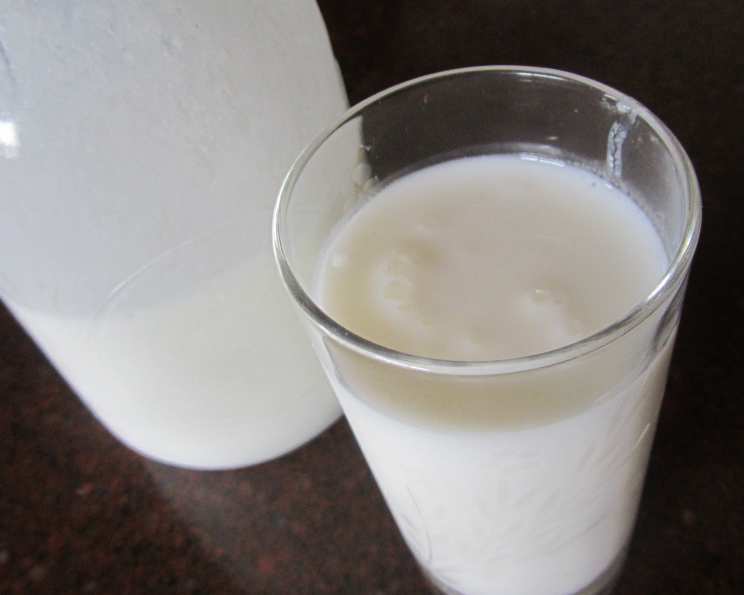
Milk Kefir Does Your Body Good
My grandmother, bless her heart, always had a jar of something bubbling away on her kitchen counter. As a child, I was both fascinated and slightly repelled by these mysterious concoctions. One, in particular, a slightly sour, milky substance, held a special allure. Years later, I discovered this was milk kefir, and the memory of its tangy, almost effervescent quality still brings me back to her sun-drenched kitchen, filled with the comforting aroma of yeast and old-world wisdom. It’s a connection to her heritage and a taste of simple, wholesome goodness.
Recipe Overview
- Prep Time: 5 minutes
- Fermentation Time: 24-48 hours
- Total Time: 24 hours 5 minutes – 48 hours 5 minutes
- Servings: 4
- Dietary Type: Varies (Can be Dairy-Free)
Ingredients
- 1 tablespoon milk kefir grains
- 1 quart goat’s milk OR 1 quart coconut milk, unsweetened undiluted
- Optional additions for flavor and additional benefits:
- Lemon
- Berries
- Peach
Equipment Needed
- Clean mason jar
- Lid and band for mason jar
- Strainer
- Another clean mason jar for finished kefir
Instructions
- Begin by placing the milk kefir grains in the bottom of a clean mason jar. Make sure the jar is thoroughly cleaned, as any residual soap or contaminants can affect the fermentation process.
- Pour 1 quart of fresh milk (either goat’s milk or coconut milk) over the kefir grains, ensuring that the grains are fully submerged. For dairy-free kefir, be absolutely sure you are using unsweetened and undiluted coconut milk from a carton, not the canned variety.
- Very loosely place the lid and band on the mason jar. Do not tighten it completely. As with all fermentation, carbon dioxide is produced, and it needs a way to escape. Tightening the lid could cause the jar to burst.
- Culture the mixture for 24 – 48 hours at room temperature. The ideal temperature range is between 68-78°F (20-26°C). Avoid direct sunlight. For a thinner, milder kefir, you can culture it for only 12 hours. The longer it cultures, the tangier it will become.
- Once the culturing is complete, strain the milk kefir into a new mason jar, using a strainer to separate the kefir grains from the liquid.
- Cap the jar of strained kefir and refrigerate. This will slow down the fermentation process.
- If desired, begin re-culturing a new batch of kefir immediately by repeating steps 1-6. Alternatively, you can allow your kefir grains to rest in a small amount of water in the refrigerator for a few days until you’re ready to make kefir again. Remember to change the water every couple of days.
- Cultures for Health suggests that it may take a batch or two for the milk kefir grains to adapt and for the grains to grow. Don’t be discouraged if your first batch isn’t perfect.
- After the first 24 hours, you may strain the kefir and add half of an organic lemon to it, then let it sit for another 24 hours before chilling. This adds a wonderful citrusy note.
- Or you can add a handful of organic fresh or frozen berries and let it sit for 24 hours, then chill. The berries will infuse the kefir with their flavor and color.
- You can combine the lemon and berries, or add whatever fruit you most enjoy. Remember to use only organic fruit to avoid any pesticides or chemicals that could harm the kefir grains.
- If you desire a smoother texture, you can blend the finished kefir. Yes, even the lemon rind! The rind adds a zesty flavor, but you can omit it if you prefer. Be cautious when blending warm kefir as it may cause pressure buildup.
Expert Tips & Tricks
- Temperature is Key: Maintaining a consistent room temperature is crucial for successful kefir fermentation. Avoid placing the jar near drafty windows or heat sources.
- Grain Health: Observe your kefir grains. Healthy grains are plump and white. If they appear discolored or slimy, they may need to be rinsed with filtered water or revitalized with fresh milk.
- Flavor Infusion: Experiment with different flavors! Vanilla extract, a touch of honey (after fermentation!), or even a pinch of cinnamon can add delightful complexity.
- Second Fermentation: For a fizzier kefir, try a second fermentation. After straining, add a bit of fruit juice or chopped fruit to the kefir, seal the jar tightly, and let it sit at room temperature for a few hours. Be careful, as this can create a lot of pressure!
- Don’t Over-Culture: Culturing for too long can result in overly sour kefir and potentially damage the grains. Taste-test your kefir regularly to find your preferred fermentation time.
Serving & Storage Suggestions
Serve milk kefir chilled, straight from the refrigerator. It’s a fantastic addition to smoothies, granola, or overnight oats. You can also use it as a tangy base for salad dressings or dips.
Milk kefir will keep in the refrigerator for up to 2-3 weeks. The flavor may become more pronounced over time. You can also freeze kefir in ice cube trays for later use in smoothies. It’s best consumed within 2 months of freezing. Avoid storing at room temperature for extended periods, as this will accelerate the fermentation process.
Nutritional Information
(Note: Nutritional information will vary based on the type of milk used and any added ingredients.)
| Nutrient | Amount per Serving (using goat’s milk) | % Daily Value |
|---|---|---|
| Calories | 158.6 kcal | N/A |
| Calories from Fat | 81 kcal | 51% |
| Total Fat | 9.1 g | 13% |
| Saturated Fat | 5.7 g | 28% |
| Cholesterol | 34.7 mg | 11% |
| Sodium | 121.4 mg | 5% |
| Total Carbohydrate | 11.5 g | 3% |
| Dietary Fiber | 0 g | 0% |
| Sugars | 0 g | 0% |
| Protein | 8.1 g | 16% |
Variations & Substitutions
- Dairy-Free Kefir: Use unsweetened, undiluted coconut milk, almond milk, or even soy milk. Keep in mind that the texture and flavor will differ slightly from dairy-based kefir.
- Flavored Kefir: Get creative with your additions! Try adding a splash of vanilla extract, a drizzle of maple syrup, or a blend of your favorite spices.
- Seasonal Kefir: Incorporate seasonal fruits for a burst of fresh flavor. Think strawberries in the spring, peaches in the summer, or apples and cinnamon in the fall.
- Kefir Cheese: Strain kefir through a cheesecloth-lined sieve for several hours (or overnight) to create a creamy, tangy kefir cheese. Use it as a spread, dip, or topping.
FAQs (Frequently Asked Questions)
Q: Can I use metal utensils with kefir grains?
A: While short contact with stainless steel is generally considered safe, prolonged exposure to reactive metals like aluminum or iron can potentially harm the grains. Opt for glass, plastic, or wooden utensils whenever possible.
Q: My kefir tastes too sour. What did I do wrong?
A: Over-culturing is the most common cause of overly sour kefir. Reduce the fermentation time or lower the room temperature in your next batch.
Q: How do I know if my kefir grains are healthy?
A: Healthy kefir grains are typically white or cream-colored, plump, and have a slightly rubbery texture. They should also double in size over time.
Q: Can I use pasteurized milk to make kefir?
A: Yes, you can use pasteurized milk. However, some believe that raw milk yields a slightly richer and more flavorful kefir. Be sure to follow local regulations regarding raw milk consumption.
Q: What if I need to take a break from making kefir?
A: You can store your kefir grains in a jar of fresh milk in the refrigerator for up to a week. For longer breaks, place them in milk in the freezer. Thaw them gradually in the refrigerator before reactivating.
Final Thoughts
Making milk kefir is a simple yet rewarding culinary adventure that connects you to a tradition spanning centuries. Don’t be afraid to experiment with flavors and techniques to create a kefir that perfectly suits your taste. Share your creations with friends and family, and let them experience the tangy, probiotic-rich goodness of homemade kefir. Consider pairing your freshly made kefir with a drizzle of honey and a handful of toasted nuts for a truly satisfying and healthy treat. Happy fermenting!