
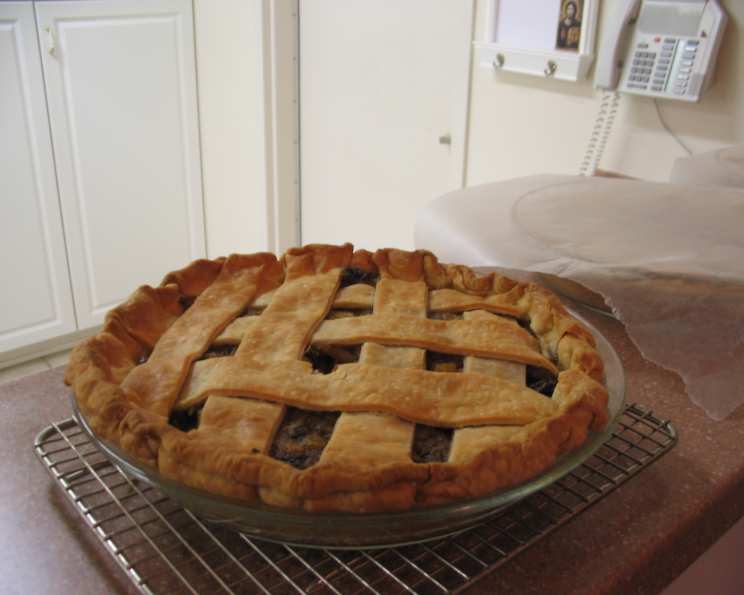
Mincemeat Pie (Diabetic-Friendly)
The scent of mincemeat pie always transports me back to my grandmother’s kitchen. Her pies were legendary, a staple of our holiday gatherings. The rich, spiced aroma would fill the entire house, a fragrant promise of the warm, comforting flavors within. I remember sneaking into the kitchen as a child, eager for a taste of the sweet, tangy filling. While her recipe was a family treasure, it was also undeniably laden with sugar. This diabetic-friendly version allows me to relive those cherished memories without the worry, offering all the festive flavors in a guilt-free slice.
Recipe Overview
- Prep Time: 30 minutes
- Cook Time: 1 hour 25 minutes
- Total Time: 1 hour 55 minutes
- Servings: 8
- Yield: 1 (9-inch) pie
- Dietary Type: Diabetic-Friendly
Ingredients
- 1 (9-inch) unbaked pie shell
- 1/2 lb beef stew meat
- 2 medium apples
- 1 orange, with rind
- 1/2 lemon, with rind
- 1/4 lb suet
- 1/2 cup raisins
- 1/2 cup currants
- 3 tablespoons sugar substitute (erythritol or stevia blend recommended)
- 1/2 cup orange juice
- 1/2 teaspoon salt
- 1/4 teaspoon nutmeg
- 1 dash cinnamon
- 1 dash mace (optional)
Equipment Needed
- Saucepan with lid
- Food processor
- 9-inch pie dish
- Measuring cups and spoons
- Knife
- Cutting board
Instructions
-
Begin by preparing your pie shell. Ensure it is unbaked and ready to receive the filling. Do not bake it at this stage.
-
Take the beef stew meat and place it in a covered saucepan. Add enough water to completely cover the meat.
-
Place the saucepan on medium heat and cook the beef for approximately 1 hour, or until it is very tender. This step is crucial to ensure the meat is easy to process and contributes to the overall texture of the mincemeat.
-
Once the beef is cooked, drain it thoroughly. Remove all excess water.
-
Core the apples and slice them into smaller pieces. The size of the slices doesn’t need to be perfect as they will be processed later.
-
Cut the orange and lemon (including the rind) into small pieces. It’s essential to use the rind as it adds a characteristic citrusy bitterness and aroma to the mincemeat.
-
Combine the cooked beef, suet, orange pieces, and lemon pieces in a food processor. Pulse the ingredients until they are chopped into a coarse meal consistency. Be careful not to over-process; you want a slightly chunky texture, not a purée.
-
Pour the mixture from the food processor back into the saucepan.
-
Add the remaining ingredients to the saucepan: raisins, currants, sugar substitute, orange juice, salt, nutmeg, cinnamon, and mace (if using).
-
Cover the saucepan and simmer the mixture on low heat for one hour. This allows all the flavors to meld together and creates the rich, complex taste that is characteristic of mincemeat. Stir occasionally to prevent sticking.
-
After simmering, carefully pour the mincemeat filling into the unbaked pie shell.
-
Bake the pie in a preheated oven at 400°F (200°C) for 25 minutes, or until the crust is golden brown and the filling is bubbling.
Expert Tips & Tricks
- Suet Substitute: If you prefer a vegetarian option, or if suet is unavailable, you can substitute it with chilled vegetable shortening. Ensure the shortening is very cold before processing to maintain a similar texture.
- Spice Adjustment: Feel free to adjust the spices according to your preference. A pinch of cloves or allspice can add extra warmth.
- Make-Ahead Tip: The mincemeat filling can be made ahead of time and stored in the refrigerator for up to 3 days. This makes assembling the pie much quicker on baking day.
- Crust Protection: If the crust starts to brown too quickly during baking, you can loosely cover it with aluminum foil.
- Flavor Enhancement: For a deeper flavor, consider adding a tablespoon of brandy or rum extract to the filling after simmering. This will provide a similar depth of flavor to traditionally alcohol-infused mincemeat without the alcohol content.
Serving & Storage Suggestions
Allow the pie to cool slightly before serving. It can be enjoyed warm or at room temperature. Consider topping it with a dollop of sugar-free whipped cream or a scoop of diabetic-friendly vanilla ice cream.
Leftover mincemeat pie should be stored in the refrigerator, covered, for up to 3 days. To reheat, warm individual slices in the microwave for 20-30 seconds or bake in a preheated oven at 350°F (175°C) for 10-15 minutes until heated through.
For longer storage, the baked pie can be frozen. Wrap it tightly in plastic wrap and then in aluminum foil. It can be frozen for up to 2 months. Thaw in the refrigerator overnight before reheating.
Nutritional Information
(Estimated per serving. Actual values may vary based on ingredient brands and substitutions.)
| Nutrient | Amount per Serving | % Daily Value |
|---|---|---|
| Calories | 250 kcal | 12% |
| Total Fat | 15g | 23% |
| Saturated Fat | 7g | 35% |
| Cholesterol | 20mg | 7% |
| Sodium | 200mg | 8% |
| Total Carbohydrate | 25g | 8% |
| Dietary Fiber | 3g | 12% |
| Sugars | 5g | – |
| Protein | 5g | 10% |
Variations & Substitutions
- Gluten-Free Crust: Use a store-bought or homemade gluten-free pie crust to make this recipe gluten-free.
- Vegan Option: Replace the beef suet with vegetable shortening or coconut oil for a vegan version. Ensure the shortening or coconut oil is very cold for the best texture.
- Fruit Variations: Experiment with different dried fruits, such as dried cranberries or chopped dates, for a unique flavor profile.
- Nut-Free: Omit mace to make this pie nut-free
FAQs (Frequently Asked Questions)
Q: Can I use store-bought sugar-free mincemeat instead of making my own?
A: While you can, homemade allows you to control the ingredients and sweetness levels, ensuring it fits your dietary needs perfectly. Store-bought sugar-free options might still contain hidden sugars or artificial sweeteners that you may wish to avoid.
Q: What type of sugar substitute is best for this recipe?
A: Erythritol or a stevia blend is recommended as they measure similarly to sugar and don’t have a strong aftertaste. Adjust the amount according to the product’s instructions to achieve the desired sweetness.
Q: Why is suet used in mincemeat?
A: Suet adds richness and a unique texture to the mincemeat. However, it can be substituted with chilled vegetable shortening or coconut oil for a lighter or vegetarian/vegan alternative.
Q: Can I add alcohol to this recipe?
A: While this recipe is designed to be alcohol-free, a tablespoon of brandy or rum extract can be added after simmering to mimic the flavor of traditional mincemeat.
Q: How can I prevent the pie crust from burning?
A: If the crust starts to brown too quickly, loosely cover it with aluminum foil during the last 10-15 minutes of baking. You can also use a pie shield to protect the edges.
Final Thoughts
I truly hope this diabetic-friendly mincemeat pie brings warmth and joy to your table, just as the original did to mine. It’s a testament to the fact that we don’t have to sacrifice flavor when making healthier choices. Don’t hesitate to adapt the recipe to your taste or dietary needs. If you try this recipe, I’d love to hear about your experience! Consider pairing it with a warm cup of herbal tea or sugar-free hot chocolate for the perfect cozy treat. Happy baking!