
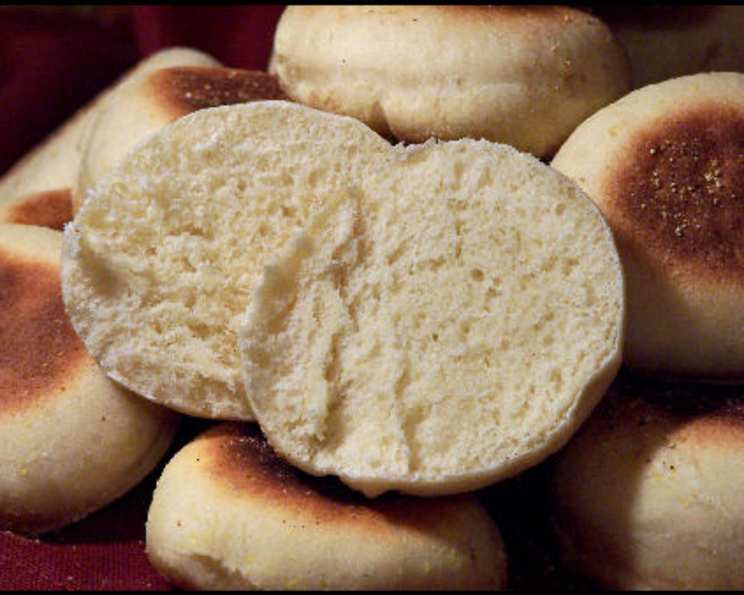
The Joy of Homemade: Mini English Muffins
There’s something deeply satisfying about the smell of yeast baking in my kitchen, a comforting aroma that instantly transports me back to childhood. I remember my grandmother, her hands dusted with flour, patiently teaching me how to knead dough. While her specialty was sourdough, I’ll always cherish the memory of us experimenting with different recipes, including these delightful English muffins. It felt like we were unlocking secrets, turning simple ingredients into something magical. The taste of that first warm, buttered muffin is etched in my memory, a perfect blend of subtle tang and comforting chewiness, an experience I’m excited to share with you!
Recipe Overview
- Prep Time: 1 hour
- Cook Time: 14 minutes
- Total Time: 2 hours 24 minutes
- Servings: 24
- Yield: 24 mini muffins
- Dietary Type: Not specified
Ingredients
- 1/4 cup butter
- 1/2 cup water
- 3/4 cup undiluted evaporated milk
- 2 teaspoons active dry yeast
- 2 tablespoons sugar
- 1 teaspoon salt
- 1 egg
- 3 1/4 – 3 1/2 cups flour, plus extra for dusting
- Cornmeal, for dusting
Equipment Needed
- Small saucepan
- Large mixer bowl
- Dough hooks (for mixer)
- Buttered bowl
- Bread board
- Heavy grill or skillet
Instructions
- Begin by melting the butter in a small saucepan over low heat. Be careful not to burn it; you just want it fully melted.
- Add the water and evaporated milk to the melted butter in the saucepan. Heat the mixture until it reaches 115 degrees Fahrenheit. Use a thermometer to ensure accuracy, as this temperature is crucial for activating the yeast.
- In a separate bowl, dissolve the active dry yeast in the warmed milk mixture. Let it stand for about 5 minutes until foamy, which indicates the yeast is alive and well.
- In a large mixer bowl, combine the yeast mixture, sugar, salt, egg, and 2 1/2 cups of the flour.
- Using dough hooks on your mixer, beat the ingredients at medium speed for 5 minutes. This initial mixing helps develop the gluten structure.
- Gradually stir in the remaining flour, adding it 1/4 cup at a time, until the dough cleans the sides of the bowl. The amount of flour needed may vary slightly depending on humidity, so add as much as possible without making the dough too dry.
- Switch back to the dough hooks and knead the dough for 6 minutes. Kneading is essential to develop the gluten, which gives the muffins their characteristic chewiness.
- Form the dough into a ball and place it in a buttered bowl. Turn the dough to coat it with butter, preventing it from drying out.
- Cover the bowl and let the dough rise in a warm place for 1 hour. The dough should roughly double in size during this time. A warm, draft-free environment will promote optimal rising.
- Punch the dough down to release the trapped air, then let it rest for 10 minutes. This step helps to relax the gluten, making it easier to roll out.
- Sprinkle a bread board generously with cornmeal. This will prevent the dough from sticking and give the muffins their signature texture.
- Roll the dough out to 1/4 inch thickness on the cornmeal-covered surface.
- Cut the dough into 2 3/4 inch rounds using a cookie cutter or biscuit cutter.
- Place the rounds on a cornmeal-covered surface, ensuring they have enough space to rise.
- Cover the rounds with a towel and let them rise for 1 1/2 hours. This second rise is crucial for achieving a light and airy texture.
- Heat a heavy grill or skillet over medium heat. A well-seasoned cast iron skillet works perfectly, but any heavy-bottomed pan will do.
- Cook the muffins for 5 to 7 minutes per side, or until they are lightly browned and cooked through. Adjust the heat as needed to prevent burning.
- The prep time does not include the rise time (2 1/2 hours total).
Expert Tips & Tricks
- Temperature is Key: The milk mixture temperature of 115 degrees is vital for yeast activation. Too hot, and you’ll kill the yeast; too cold, and it won’t activate properly.
- Don’t Overwork the Dough: Over-kneading can result in tough muffins. Knead until the dough is smooth and elastic, but avoid excessive handling.
- Achieving the Perfect Rise: A warm, humid environment is ideal for rising. If your kitchen is cold, try placing the dough in a turned-off oven with a bowl of hot water.
- Fork-Splitting: For that classic English muffin look, use a fork to split them open rather than a knife. This creates nooks and crannies perfect for catching melted butter or jam.
Serving & Storage Suggestions
Serve these mini English muffins warm, split, and toasted, with your favorite toppings. Butter, jam, cream cheese, or even a fried egg and some bacon are all fantastic choices. Leftover muffins can be stored at room temperature in an airtight container for up to 2 days. For longer storage, freeze them in a freezer-safe bag or container for up to 2 months. To reheat, simply toast them from frozen or thaw them in the refrigerator overnight and then toast.
Nutritional Information
| Nutrient | Amount per Serving | % Daily Value |
|---|---|---|
| Calories | 97.2 kcal | N/A |
| Calories from Fat | N/A | N/A |
| Total Fat | 2.9 g | 4% |
| Saturated Fat | 1.7 g | 8% |
| Cholesterol | 16.2 mg | 5% |
| Sodium | 122.4 mg | 5% |
| Total Carbohydrate | 14.9 g | 4% |
| Dietary Fiber | 0.5 g | 2% |
| Sugars | 1.1 g | N/A |
| Protein | 2.7 g | 5% |
Note: Daily values are based on a 2,000 calorie diet. Your daily values may be higher or lower depending on your calorie needs.
Variations & Substitutions
- Whole Wheat: Substitute up to half of the all-purpose flour with whole wheat flour for a nuttier flavor and added fiber.
- Dairy-Free: Use your favorite plant-based butter and milk alternatives to make these muffins dairy-free.
- Savory Muffins: Add herbs, cheese, or chopped vegetables to the dough for a savory twist.
- Sweet Muffins: Incorporate spices like cinnamon or nutmeg, or add dried fruits such as raisins or cranberries for a sweeter muffin.
FAQs (Frequently Asked Questions)
Q: Can I use instant yeast instead of active dry yeast?
A: Yes, you can. If using instant yeast, you can skip the proofing step and add it directly to the flour mixture.
Q: Why are my muffins not rising properly?
A: Ensure your yeast is fresh and the milk mixture is at the correct temperature. Also, a warm environment is crucial for rising.
Q: Can I bake these in the oven instead of on a skillet?
A: While traditionally cooked on a skillet, you can bake them in the oven at 350°F (175°C) for about 15-20 minutes, or until golden brown.
Q: How do I prevent the muffins from burning on the skillet?
A: Keep the heat at medium-low and monitor them closely. If they’re browning too quickly, reduce the heat further.
Q: Can I make the dough ahead of time?
A: Yes, you can prepare the dough, let it rise, punch it down, and then refrigerate it overnight. Allow it to come to room temperature before rolling and cutting the muffins.
Final Thoughts
There you have it – a simple yet satisfying recipe for homemade mini English muffins! These little delights are perfect for breakfast, brunch, or even a quick snack. Don’t be intimidated by the process; with a little patience and attention to detail, you’ll be rewarded with warm, chewy muffins that rival anything you can buy in a store. So, gather your ingredients, roll up your sleeves, and experience the joy of baking these at home. I encourage you to experiment with different variations and share your feedback – happy baking!