
Miso Tamago: A Taste of Umami Sunshine
I still remember my first taste of miso tamago. I was wandering through a bustling Tokyo marketplace, the air thick with the scent of grilled seafood and simmering ramen. A small, unassuming vendor caught my eye – a woman with kind eyes selling glistening, brown-tinged eggs. She offered me a slice, and the explosion of savory, sweet, and deeply satisfying umami was an epiphany. It was more than just an egg; it was a portal to a world of flavor I never knew existed. From that day on, I was determined to recreate that magical experience in my own kitchen.
Recipe Overview
- Prep Time: 5 minutes
- Cook Time: 12 minutes (for the eggs) + 5 hours minimum marinating time
- Total Time: 5 hours 17 minutes (minimum)
- Servings: 1 (recipe is easily scalable)
- Yield: 1 egg
- Dietary Type: Vegetarian (can be made pescatarian with specific miso types)
Ingredients
- 1 hardboiled egg, peeled
- 2 tablespoons miso, of your choice (mild white miso, a red salty miso will make the eggs taste a lot stronger)
- 1 teaspoon maple syrup
Equipment Needed
- Small bowl
- Cling film/plastic wrap
- Small container
Instructions
-
First, prepare your miso marinade. In a small bowl, thoroughly mix the 2 tablespoons of your chosen miso with 1 teaspoon of maple syrup. Whisk or stir vigorously until a smooth paste forms. This is crucial for even coating and flavor distribution.
-
Next, cut a piece of cling film or plastic wrap that is large enough to fully enclose the peeled hardboiled egg with several inches to spare on each side.
-
Spread the prepared miso paste evenly over the center of the plastic wrap. This creates a bed of flavor for the egg to rest upon.
-
Place the peeled hardboiled egg in the middle of the miso paste on the cling film.
-
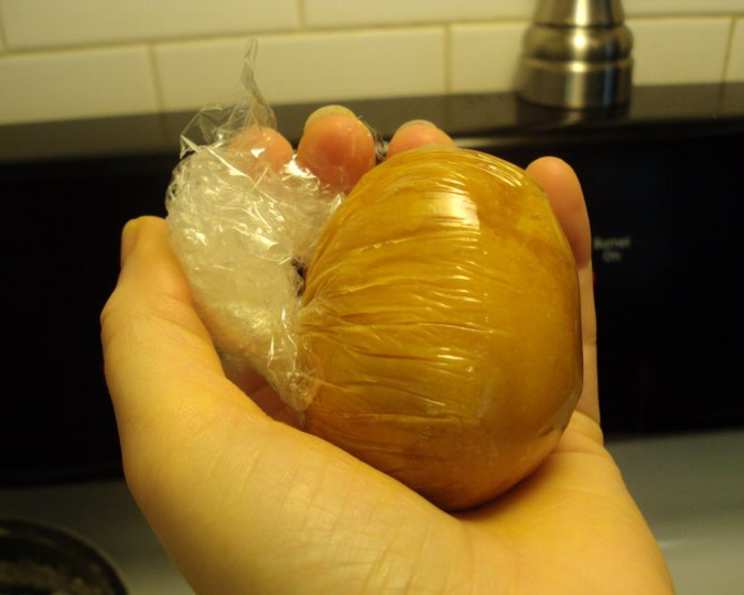
Carefully wrap the cling film around the egg, ensuring that the miso paste completely covers its surface.
-
Twist the ends of the cling film tightly to seal the egg within. This creates a small, self-contained packet. Gently squish the miso around, ensuring it’s in full contact with the egg white.
-
Place the wrapped egg(s) in a plastic container. This prevents any potential leakage and keeps the refrigerator tidy.
-
Refrigerate for a minimum of 5 hours. For a more intense flavor and firmer texture, you can marinate the egg for up to a week. The longer it marinates, the more the miso will penetrate the egg white.
-
When ready to serve, remove the egg from the refrigerator and carefully unwrap it from the cling film.
-
Observe the transformation! The egg white should now be a light to medium beige color, depending on the type of miso used and the marinating time. You’ll likely see a coating of miso on the surface.
-
This surface miso can be left on for a more rustic presentation and bolder flavor, or gently wiped off with a damp paper towel for a cleaner aesthetic. The choice is yours!
Expert Tips & Tricks
- Miso Selection is Key: Experiment with different types of miso to discover your favorite flavor profile. White miso (Shiro miso) provides a milder, sweeter flavor, while red miso (Aka miso) offers a saltier, more robust taste. A blend of miso types can also be interesting.
- Perfect Hardboiled Eggs: The key to great miso tamago starts with perfectly cooked hardboiled eggs. Avoid overcooking by placing the eggs in cold water, bringing them to a boil, then immediately removing them from the heat and letting them sit, covered, for 10-12 minutes. Immediately plunge them into ice water to stop the cooking process and make peeling easier.
- Gentle Handling: Be gentle when wrapping the eggs in cling film. Excessive squeezing can cause the yolks to break, resulting in a less visually appealing final product.
- Marinating Time Matters: While 5 hours is the minimum, allowing the eggs to marinate for 24-48 hours significantly enhances the flavor and texture. Keep a close eye on the saltiness; some miso varieties can make the eggs overly salty if marinated for too long.
- A Touch of Sweetness: The maple syrup adds a subtle sweetness that balances the miso’s saltiness. You can substitute it with honey, agave nectar, or even a tiny pinch of sugar, but I find the maple syrup offers a unique and complementary flavor.
- Enhance the Marinade: Consider adding a splash of sake or mirin to the marinade for added depth and complexity. A small amount of grated ginger or garlic can also elevate the flavor.
Serving & Storage Suggestions
Miso tamago can be served in a multitude of ways. Enjoy them sliced in half as a delicious appetizer, or as a flavorful addition to bento boxes, rice bowls, or ramen. They also make a fantastic protein boost to salads.
To store leftover miso tamago, keep them refrigerated in an airtight container. They will last for up to 3-4 days. The flavor may intensify over time, so keep that in mind. They are best served cold or at room temperature. I do not recommend freezing miso tamago, as the texture of the egg white will be compromised.
Nutritional Information
| Nutrient | Amount per Serving | % Daily Value |
|---|---|---|
| Calories | 151 kcal | N/A |
| Fat | 6.7g | 10% |
| Saturated Fat | 1.8g | 9% |
| Cholesterol | 164mg | 54% |
| Sodium | 1286mg | 53% |
| Carbohydrate | 13.7g | 4% |
| Fiber | 1.8g | 7% |
| Sugars | 6.6g | N/A |
| Protein | 9.4g | 18% |
Variations & Substitutions
- Vegan Miso Tamago (Tofu Version): While the classic version relies on eggs, you can mimic the flavor and texture using firm or extra-firm tofu. Press the tofu to remove excess water, then marinate in a miso mixture similar to the egg recipe.
- Different Miso Types: Experiment with different miso varieties such as barley miso (Mugi miso) or soybean miso (Hatcho miso) for unique flavor nuances.
- Spice It Up: Add a pinch of red pepper flakes or a dash of chili oil to the marinade for a spicy kick.
- Sesame Seeds: Before serving, sprinkle the miso tamago with toasted sesame seeds for added texture and nutty flavor.
- Soy Sauce Boost: A small dash of soy sauce in the marinade can intensify the umami notes.
FAQs (Frequently Asked Questions)
Q: Can I use any type of miso for this recipe?
A: While you can use any miso, the flavor will vary significantly. White miso is milder and sweeter, while red miso is saltier and more intense. Experiment to find your preference.
Q: How long can I marinate the eggs?
A: You can marinate the eggs for up to a week. However, the longer they marinate, the saltier they will become. Taste-test after a couple of days to gauge the flavor.
Q: Can I reuse the miso marinade?
A: Due to potential contamination, it’s not recommended to reuse the miso marinade. Discard it after use.
Q: The egg white is too salty. How can I fix it?
A: If the egg is too salty, try soaking it in cold water or unsweetened green tea for a short period to draw out some of the salt. Next time, reduce the marinating time.
Q: How do I prevent the eggs from overcooking when hard boiling?
A: Place the eggs in cold water, bring to a boil, then immediately remove from heat and cover. Let sit for 10-12 minutes, then transfer to an ice bath.
Final Thoughts
Miso tamago is more than just a marinated egg; it’s a testament to the transformative power of simple ingredients and mindful preparation. The interplay of savory miso, subtle sweetness, and perfectly cooked egg creates a flavor experience that is both comforting and deeply satisfying. I urge you to try this recipe, experiment with different miso types, and discover your own personal version of this umami delight. Share your creations and feedback – I’d love to hear about your culinary adventures! Perhaps pair your miso tamago with a refreshing cucumber salad or a bowl of steaming rice for a complete and balanced meal.