
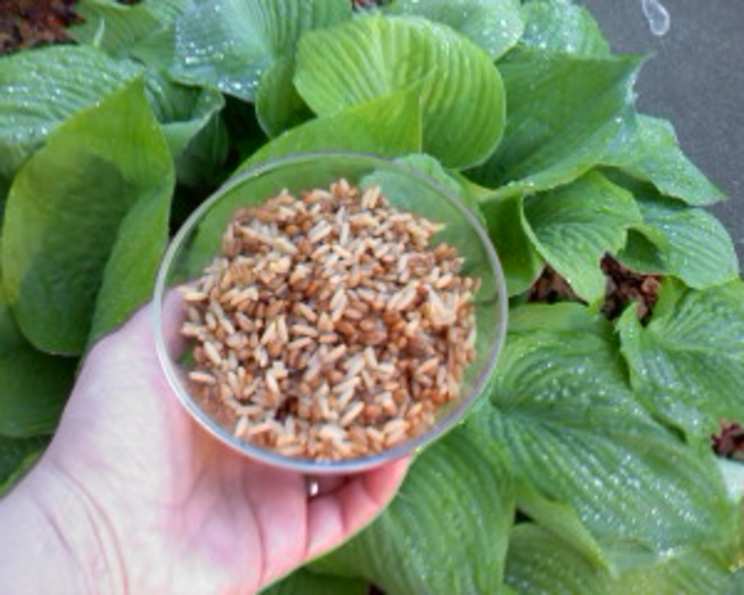
Unlocking Ancient Flavors: Mastering the Art of Mixed Grains
The memory is etched in my mind: a sun-drenched afternoon in Tuscany, the air thick with the scent of rosemary and woodsmoke. We were gathered around a weathered wooden table, and Nonna Emilia, her hands gnarled with age and wisdom, presented a simple yet profound dish. It was a medley of grains, each bite a testament to the earth’s bounty, subtly seasoned and unbelievably satisfying. That humble grain mixture, born from a tradition of resourcefulness and respect for nature, ignited a lifelong passion for exploring the versatility of grains in my own cooking.
Recipe Overview
- Prep Time: 10 minutes
- Cook Time: 40-50 minutes
- Total Time: 50-60 minutes
- Servings: 4-6
- Yield: About 6 cups
- Dietary Type: Vegan
Ingredients
- 1 cup long grain brown rice
- 1 cup wheat berries
- 1 cup rye berries
- 2 cups water
- 2 cups stock (vegetable or chicken, optional – see note below)
Note: For a more versatile grain mix suitable for both savory and sweet applications, substitute the stock with an additional 2 cups of water (for a total of 4 cups). This will result in a more neutral flavor profile.
Equipment Needed
- Large pot with a lid
Instructions
- Combine the brown rice, wheat berries, and rye berries in a large pot equipped with a tight-fitting lid. This is your foundational grain blend, each contributing unique textures and flavors.
- Add the 2 cups of water and 2 cups of stock (or 4 cups of water, if omitting stock) to the pot. Stir gently to ensure the grains are submerged.
- Bring the mixture to a boil over high heat. Once boiling, immediately reduce the heat to low.
- Cover the pot tightly and allow the grains to simmer gently until they are tender and all the liquid has been absorbed. This will take approximately 40-50 minutes. Resist the urge to lift the lid during cooking, as this will release steam and prolong the cooking time.
- After the allotted time, check the grains for doneness. They should be tender to the bite, and all the liquid should be absorbed. If there is still liquid remaining, continue cooking, covered, for a few more minutes, checking frequently.
- Once cooked, remove the pot from the heat and let it stand, covered, for about 5 minutes. This allows the residual steam to further soften the grains and prevents them from becoming sticky.
- Finally, fluff the cooked grains with a fork to separate them and prevent clumping. The mixed grains are now ready to serve or store for later use.
Expert Tips & Tricks
- Toast the Grains (Optional): For a nuttier, more pronounced flavor, consider toasting the grains before cooking. Spread them in a single layer on a baking sheet and toast in a preheated oven at 350°F (175°C) for 5-7 minutes, or until fragrant. Watch them carefully to prevent burning.
- Soaking the Grains (Optional): Soaking the grains for a few hours or overnight can help reduce the cooking time and improve their digestibility. If soaking, reduce the amount of water or stock by about 1/4 cup.
- Achieving the Right Texture: The key to perfectly cooked mixed grains is maintaining a gentle simmer and avoiding the temptation to stir them during cooking. Stirring can release starch, resulting in a gummy texture.
- Flavor Infusion: Elevate the flavor profile by adding aromatics to the cooking liquid. A bay leaf, a sprig of thyme, or a clove of garlic can impart subtle but noticeable flavor nuances. Remember to remove them before serving.
- Batch Cooking: This recipe is ideal for batch cooking. Prepare a large quantity on the weekend and store it in the refrigerator for use throughout the week.
Serving & Storage Suggestions
Serve the mixed grains as a versatile side dish alongside grilled meats, roasted vegetables, or hearty stews. They can also be incorporated into salads, stir-fries, or grain bowls. For a simple and satisfying meal, top with beans, salsa, and a dollop of sour cream or yogurt. Alternatively, enjoy them as a warm breakfast cereal with milk, nuts, and dried fruit.
Leftover mixed grains can be stored in an airtight container in the refrigerator for up to 5 days. For longer storage, freeze them in individual portions for up to 3 months. To reheat, simply microwave for a few minutes, or sauté in a pan with a little oil or broth. If frozen, thaw overnight in the refrigerator before reheating.
Nutritional Information
| Nutrient | Amount per Serving | % Daily Value |
|---|---|---|
| Calories | 250 kcal | 13% |
| Total Fat | 2g | 3% |
| Saturated Fat | 0.5g | 3% |
| Cholesterol | 0mg | 0% |
| Sodium | 10mg | 0% |
| Total Carbohydrate | 50g | 18% |
| Dietary Fiber | 5g | 18% |
| Sugars | 1g | 2% |
| Protein | 7g | 14% |
Nutritional information is an estimate and may vary based on specific ingredients and preparation methods.
Variations & Substitutions
- Gluten-Free: Substitute the wheat berries and rye berries with gluten-free grains such as quinoa, amaranth, or teff. Adjust the cooking time accordingly, as gluten-free grains may require less time to cook.
- Wild Rice Blend: Replace one cup of either the rye or wheat berries with one cup of wild rice for a richer, more complex flavor profile.
- Barley Addition: While I haven’t personally tried it, pearled barley should work well in this mix. Consider adding a cup for a different texture and flavor.
- Spice it Up: Add a pinch of red pepper flakes or a dash of your favorite hot sauce to the cooking liquid for a spicy kick.
- Herb Infusion: Experiment with different herbs such as rosemary, thyme, or oregano to complement the flavors of the grains.
- Sweet Variation: Cook the grains in water instead of stock and add a touch of sweetness with maple syrup or honey. Serve with milk and fruit for a healthy and satisfying breakfast.
FAQs (Frequently Asked Questions)
Q: Can I cook these grains in a rice cooker?
A: Yes, you can use a rice cooker. Follow the manufacturer’s instructions for cooking brown rice, adjusting the water ratio as needed.
Q: What if I don’t have all three types of grains? Can I use just two?
A: Absolutely! Feel free to adjust the recipe based on what you have on hand. Use 1.5 cups of each of the two grains you have available.
Q: How can I tell if the grains are cooked properly?
A: The grains should be tender but not mushy. All the liquid should be absorbed. If there’s still liquid, continue cooking for a few more minutes.
Q: Can I use quick-cooking brown rice instead of long grain?
A: Quick-cooking brown rice will cook much faster. You’ll need to reduce the cooking time significantly and check frequently to avoid overcooking.
Q: Can I add salt to the cooking water?
A: Yes, adding a pinch of salt to the cooking water will help to season the grains and enhance their flavor. Add about 1/2 teaspoon of salt per 4 cups of liquid.
Final Thoughts
This mixed grain recipe is more than just a collection of ingredients; it’s an invitation to explore the rich tapestry of flavors and textures that grains have to offer. Don’t be afraid to experiment with different variations and substitutions to create a dish that reflects your own personal taste. I encourage you to try this recipe and share your feedback. Serve it alongside a vibrant vegetable tagine or a grilled salmon fillet for a complete and nourishing meal. Happy cooking!