
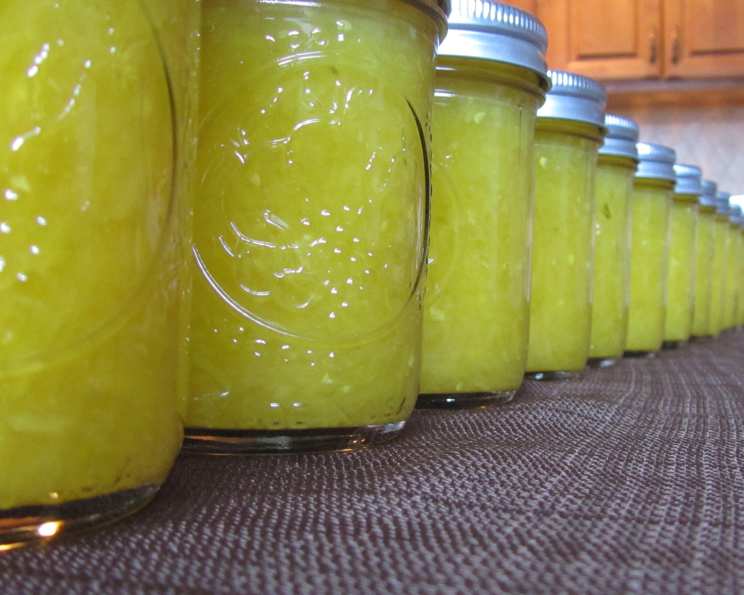
Mock Canned Pineapple: A Zucchini Transformation
The first time I tasted “canned pineapple” made from zucchini, I was at a county fair. A sweet little old lady, her apron dusted with flour, offered me a spoonful of this golden, shimmering concoction. I closed my eyes, expecting that familiar burst of tropical tang, and instead, I was met with… well, magic! It tasted remarkably like pineapple, but with a subtle, almost floral note. I was completely fooled, and utterly charmed. It was a testament to the power of resourcefulness, ingenuity, and a whole lot of lemon juice. And now, I’m excited to share this culinary sleight of hand with you!
Recipe Overview
- Prep Time: 45 minutes
- Cook Time: 25-40 minutes
- Total Time: 1 hour 5 minutes
- Yields: 10-16 8-ounce jars
- Dietary Type: Vegetarian, Gluten-Free
Ingredients
- 10 cups zucchini (shredded or cubed, peeled, seeds removed)
- 46 ounces canned unsweetened pineapple juice
- 1 1/2 cups bottled lemon juice (necessary for safe canning)
- 3 cups sugar
- 1 pinch salt
- Yellow food coloring (for eye appeal)
- 1-2 teaspoons coconut extract to taste (for a pina colada effect) (optional)
- 1/2 cup coconut rum (optional) or 1/2 cup pineapple rum (optional)
Equipment Needed
- Large pot
- Sterilized canning jars (half-pints or pints)
- Canning lids and rings
- Jar lifter
- Wide-mouth funnel
- Ladle
- Boiling water bath canner
- Strainer or colander
- Measuring cups and spoons
- Paper towels
Instructions
- Begin by preparing your zucchini. For a texture similar to canned pineapple chunks, cube the zucchini. If you prefer a crushed pineapple consistency, shred it. Remember to peel the zucchini and remove the seeds before processing.
- If using shredded zucchini, place it in a strainer for 15 minutes. Squeeze out as much excess water as possible. This step is crucial to prevent a watery final product.
- If using cubed zucchini, place it in a strainer and lightly salt it. Toss to coat and let it sit for 20 minutes. This draws out excess moisture. Then, rinse thoroughly twice and drain well. Pat the zucchini dry with paper towels.
- While the zucchini is draining, prepare the syrup. In a large pot, combine the pineapple juice, lemon juice, sugar, salt, and yellow food coloring (if using). Bring the mixture to a boil over medium-high heat, stirring to dissolve the sugar.
- Add the prepared zucchini to the boiling syrup. Bring the mixture back to a boil.
- If using shredded zucchini, boil for 25 minutes, stirring occasionally to prevent sticking. If using cubed zucchini, boil for 40 minutes. The longer cooking time helps the cubed zucchini soften and absorb the flavors of the syrup.
- If desired, add the coconut extract and rum (either coconut or pineapple) to the pot during the last 5 minutes of cooking. This imparts a pina colada-like flavor.
- While the zucchini is simmering, ensure your canning jars are sterilized. You can sterilize them by boiling them in water for 10 minutes or following the manufacturer’s instructions for your dishwasher. Keep the jars hot until ready to fill.
- Using a jar lifter, carefully remove a hot, sterilized jar from the hot water. Place it on a clean towel or cutting board.
- Place a wide-mouth funnel in the jar. Use a ladle to carefully fill the hot jar with the hot zucchini mixture and cooking liquid, leaving 1/2 inch of headspace (the space between the top of the food and the lid).
- Remove any air bubbles by gently tapping the jar on the counter or using a non-metallic utensil to run along the inside edge of the jar.
- Wipe the jar rims clean with a damp cloth. This ensures a proper seal.
- Place a lid on each jar and screw on a ring until it is fingertip tight (snug but not overly tight).
- Using the jar lifter, carefully lower the filled jars into a boiling water bath canner. Make sure the water covers the jars by at least 1 inch. Add more boiling water if necessary.
- Bring the water back to a rolling boil. Process half-pints or pints jars for 15 minutes. Adjust processing time for altitude if necessary.
- After processing is complete, turn off the heat and carefully remove the jars from the canner using the jar lifter. Place them on a towel-lined surface, leaving space between the jars.
- Let the jars cool completely, undisturbed, for 12-24 hours. As the jars cool, you should hear a popping sound as the lids seal.
- After cooling, check the seals. The lids should be concave and not flex when pressed. If a jar did not seal, refrigerate it immediately and use within a few days or reprocess it with a new lid.
- With this recipe, you should get approximately 16 jars of shredded zucchini “pineapple” or 10 jars of the cubed version. Note that with the cubed version, you will have extra syrup left over. Do save it for making mixed drinks or flavoring other desserts!
Expert Tips & Tricks
- For a more intense pineapple flavor, consider adding a few chunks of real pineapple during the last 10 minutes of cooking. This will enhance the authenticity of the mock pineapple.
- If you don’t have pineapple juice on hand, you can substitute it with a combination of apple juice and a splash of pineapple extract.
- Don’t be afraid to experiment with different extracts. Almond extract or even a touch of vanilla can add a unique twist to the flavor profile.
- To thicken the syrup, you can add a teaspoon of cornstarch mixed with a tablespoon of cold water during the last few minutes of cooking.
- Ensure proper headspace in each jar to achieve a good seal. Too little headspace can cause the contents to boil over during processing, while too much can prevent a vacuum from forming.
- If you prefer a less sweet product, you can reduce the amount of sugar slightly, but be mindful that sugar contributes to the preservation process.
Serving & Storage Suggestions
This mock canned pineapple is incredibly versatile. It’s delicious served chilled over ice cream, yogurt, or pancakes. Use it in trifles, fruit salads, or as a topping for baked goods. It’s also a fantastic addition to smoothies or cocktails.
Properly sealed jars can be stored in a cool, dark place for up to a year. Once opened, refrigerate and consume within 1-2 weeks. If you choose not to can and store the “pineapple” in the refrigerator, it will be fresh for around one week.
Nutritional Information
Please note that these values are estimates and can vary based on specific ingredients and portion sizes.
| Nutrient | Amount per Serving | % Daily Value |
|---|---|---|
| Calories | 330 kcal | 17% |
| Total Fat | 0.7g | 1% |
| Saturated Fat | 0.1g | 0% |
| Cholesterol | 0mg | 0% |
| Sodium | 36mg | 2% |
| Total Carbohydrate | 83g | 31% |
| Dietary Fiber | 1.6g | 6% |
| Sugars | 77g | 154% |
| Protein | 2.1g | 4% |
Variations & Substitutions
- Spicy Pineapple: Add a pinch of red pepper flakes or a small piece of finely chopped jalapeno to the syrup for a spicy kick.
- Ginger-Lime Pineapple: Incorporate a teaspoon of grated fresh ginger and the zest of one lime into the syrup for a zesty twist.
- Tropical Fusion: Replace the coconut extract with other tropical flavors like mango or passion fruit extract.
- Lower Sugar Version: Use a sugar substitute like stevia or monk fruit, but be aware that this may affect the texture and shelf life. Monitor closely for spoilage.
FAQs (Frequently Asked Questions)
Q: Why is lemon juice necessary in this recipe?
A: Lemon juice is crucial for safe canning. It increases the acidity of the mixture, preventing the growth of harmful bacteria like botulism.
Q: Can I use frozen zucchini for this recipe?
A: Yes, but you’ll need to thaw it completely and squeeze out as much excess water as possible before using it.
Q: How do I know if the jars are properly sealed?
A: After cooling, the lids should be concave and not flex when pressed. If a jar didn’t seal, refrigerate it and use it within a few days, or reprocess it with a new lid.
Q: Can I use this mock pineapple in baking?
A: Absolutely! It works wonderfully in cakes, muffins, and other baked goods that call for canned pineapple.
Q: Does the rum affect the canning process?
A: No, the small amount of rum used doesn’t significantly impact the canning process or preservation. The acidity from lemon juice is still the critical agent for safety.
Final Thoughts
This recipe is a testament to the versatility of simple ingredients and the joy of creating something unexpected. So, gather your zucchini, channel your inner alchemist, and transform it into a taste of the tropics. Whether you slather it on pancakes, mix it into cocktails, or simply savor it by the spoonful, this mock canned pineapple is sure to delight. Don’t be afraid to experiment with flavors and make it your own. And most importantly, share your creations and feedback – happy canning!