
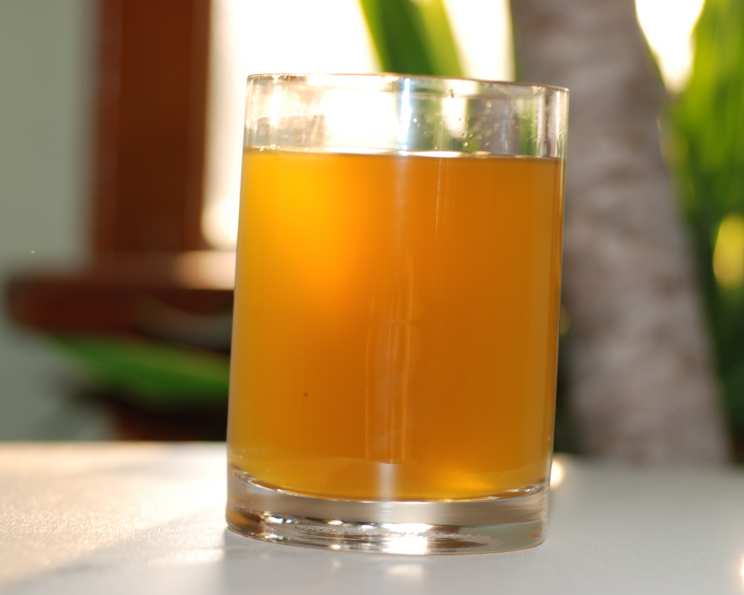
The Magic of Mock Chicken Stock: A Chef’s Secret Weapon
My grandmother, bless her soul, always had a pot simmering on the stove. The aroma, a heady mix of vegetables and subtle spices, was the first thing that greeted you upon entering her kitchen. While she swore by her traditional chicken stock, made with love and long-simmered bones, she also knew the value of a good “mock” version when time was short or dietary needs demanded. This recipe, inspired by those resourceful moments in her kitchen, allows everyone to enjoy the comforting depth of flavor of chicken stock, without the chicken.
Recipe Overview
- Prep Time: 15 minutes
- Cook Time: 1 hour 15 minutes
- Total Time: 1 hour 30 minutes
- Yields: 8 Cups
- Serves: 8
- Dietary Type: Vegan
Ingredients
- 14 cups water
- 7 cups onions, chopped
- 4 cups celery, chopped
- 4 cups carrots, peeled and chopped
- 2 heads garlic, broken apart and smashed with the broad side of a knife
- 5 bay leaves
- 1 1/2 teaspoons dried thyme
- 1 1/2 teaspoons turmeric
- 1/2 teaspoon salt
- 1/2 bunch fresh parsley
Equipment Needed
- Large Stockpot
- Ladle
- Fine-mesh sieve or cheesecloth-lined colander
- Storage containers
Instructions
- Begin by placing the water into a large stockpot over high heat. Using a stockpot that is large enough will prevent spillage during the boiling process.
- Add the prepared onions, celery, and carrots to the pot. It’s perfectly fine if the vegetables are roughly chopped; their purpose is to impart flavor, not to be eaten whole later.
- Now, stir in the smashed garlic, bay leaves, dried thyme, turmeric, salt, and fresh parsley. Smashed garlic releases more flavor than minced garlic in a stock.
- Bring the mixture to a boil. Allow it to cook uncovered for 15 minutes. Boiling uncovered will help to concentrate the flavors.
- After 15 minutes, cover the pot, reduce the heat to low, and allow the stock to simmer gently for one hour. Simmering low and slow is key to extracting maximum flavor from the vegetables. Make sure it is barely bubbling.
- Once the hour is up, remove the pot from the heat and set it aside to cool slightly. This will make the straining process easier and safer.
- Strain the stock through a fine-mesh sieve or a colander lined with cheesecloth. This will separate the flavorful liquid from the solids. Discard the vegetables and herbs.
- The stock is now ready to use immediately, or it can be stored for later.
Expert Tips & Tricks
- Roasting the Vegetables: For a deeper, richer flavor, try roasting the onions, celery, and carrots before adding them to the stockpot. Toss them with a little olive oil and roast at 400°F (200°C) for about 30 minutes, or until slightly caramelized.
- Mushroom Magic: Adding dried shiitake mushrooms to the stockpot can enhance the umami flavor and create an even more savory profile. About an ounce of dried mushrooms should do the trick. Be sure to remove the stems, as they can be tough.
- Herb Infusion: Experiment with different herbs to customize the flavor of your stock. Rosemary, sage, or even a pinch of red pepper flakes can add unique dimensions. Add woody herbs at the beginning of the simmer, and more delicate herbs like basil or cilantro in the last 15 minutes.
- Don’t Skimp on Time: The longer the stock simmers, the more flavorful it will become. If you have the time, extending the simmering time to 1.5 or even 2 hours can make a noticeable difference. Just be sure to monitor the water level and add more if needed to keep the vegetables submerged.
- Salt to Taste: Salt is crucial for bringing out the flavors in the stock, but it’s best to start with a small amount and adjust to taste at the end. Remember that the flavor will concentrate as the stock reduces.
Serving & Storage Suggestions
This mock chicken stock is incredibly versatile and can be used in countless recipes. Use it as a base for soups, stews, sauces, and gravies. It’s also excellent for cooking grains like rice or quinoa, adding depth and flavor that water simply can’t provide. You can even use it to deglaze a pan after sautéing vegetables, creating a delicious pan sauce.
Storage:
- Refrigerate: Store the cooled stock in an airtight container in the refrigerator for up to four days.
- Freeze: For longer storage, freeze the stock in freezer-safe containers or ice cube trays for up to six months. If using containers, leave some headspace as the liquid will expand when frozen. Frozen stock can be thawed in the refrigerator overnight or quickly in a pot on the stovetop.
Nutritional Information
| Nutrient | Amount per Serving | % Daily Value |
|---|---|---|
| Calories | 115.3 kcal | N/A |
| Calories from Fat | 4 g | N/A |
| Total Fat | 0.5 g | 0% |
| Saturated Fat | 0.1 g | 0% |
| Cholesterol | 0 mg | 0% |
| Sodium | 242.6 mg | 10% |
| Total Carbohydrate | 26.7 g | 8% |
| Dietary Fiber | 5 g | 20% |
| Sugars | 9.6 g | N/A |
| Protein | 3.4 g | 6% |
Note: Nutritional information is an estimate and may vary depending on the specific ingredients used.
Variations & Substitutions
- Gluten-Free: This recipe is naturally gluten-free, making it suitable for those with gluten sensitivities.
- Low-Sodium: Reduce or eliminate the salt entirely for a low-sodium option. You can always add a little salt to your final dish if needed.
- Spicy Stock: Add a pinch of red pepper flakes or a small piece of jalapeño pepper to the stockpot for a spicy kick.
- Asian-Inspired: Incorporate ginger, garlic, and soy sauce for a flavorful Asian-inspired stock.
- Wine Addition: For a richer stock, deglaze the pot after sautéing the vegetables with about a cup of dry white wine before adding the water.
FAQs (Frequently Asked Questions)
Q: Can I use vegetable scraps instead of fresh vegetables?
A: Absolutely! This is a great way to reduce food waste. Just be sure to avoid using strong-flavored vegetables like broccoli or cabbage, as they can overpower the stock.
Q: Do I need to peel the carrots?
A: Peeling the carrots is optional. The peels can add a slightly bitter flavor, but they also contain valuable nutrients. If you’re using organic carrots, simply scrub them well and leave the peels on.
Q: Can I use dried parsley instead of fresh?
A: Fresh parsley is preferred for its brighter flavor, but you can use dried parsley in a pinch. Use about half the amount of dried parsley as you would fresh (1/4 bunch instead of 1/2).
Q: How do I know if the stock is done simmering?
A: The stock is ready when the vegetables are soft and have released their flavor into the liquid. The liquid should have a noticeable savory aroma and a slightly golden color.
Q: Can I use this stock in place of bone broth?
A: While this mock chicken stock won’t have the same collagen content as bone broth, it’s a great vegan alternative for adding flavor and nutrients to your recipes.
Final Thoughts
This simple yet flavorful mock chicken stock is a testament to the power of resourcefulness in the kitchen. It’s a blank canvas for your culinary creativity, ready to be adapted and personalized to suit your tastes. So, gather your vegetables, fill your stockpot, and embark on a journey of flavor. I encourage you to try this recipe and share your own variations and feedback. Perhaps pair it with a hearty vegetable soup, or use it as a base for a comforting risotto. The possibilities are endless! Happy cooking!