
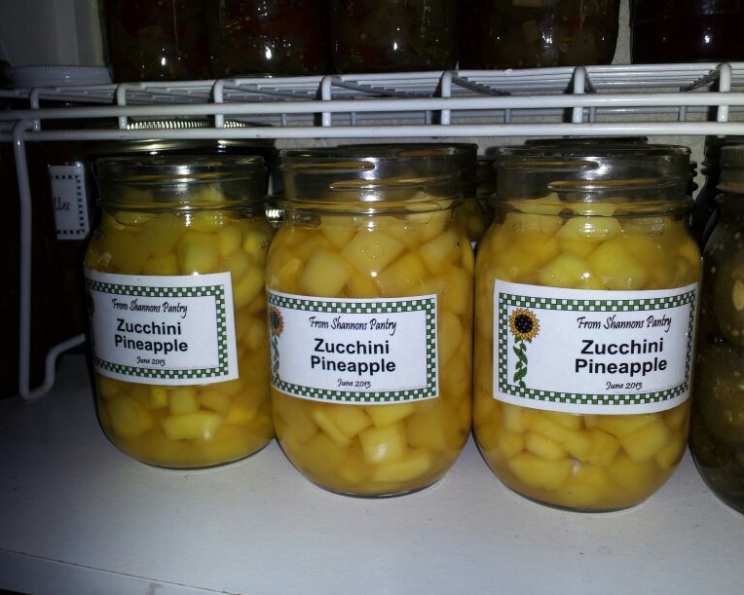
The Curious Case of Mock Pineapple: A Culinary Illusion
I’ll never forget the first time I encountered “mock pineapple.” It was at a county fair, tucked away in a dusty cookbook display. The faded cover promised a miracle: pineapple made from zucchini! My initial skepticism quickly turned to fascination. I was a young cook, eager to impress my family with unique dishes, and the idea of transforming a humble zucchini into something exotic felt like culinary alchemy. I snatched up the cookbook, determined to unlock this peculiar secret. While I haven’t grown any zucchini since then specifically to make this recipe, the very idea speaks to a certain resourcefulness that I find admirable. It’s a testament to the creativity and ingenuity of cooks who, in times of scarcity, found ways to bring a little bit of sunshine to their tables.
Recipe Overview
- Prep Time: 30 minutes
- Cook Time: 50 minutes
- Total Time: 1 hour 20 minutes
- Yields: 10-12 pints
- Dietary Type: Vegetarian, Vegan
Ingredients
- 6 cups unsweetened pineapple juice (reconstituted from frozen)
- 1 gallon zucchini, coarsely chopped
- 3 cups sugar
- 1 1/2 cups lemon juice
- Food coloring (optional)
Equipment Needed
- Large, non-reactive pot (stainless steel or enamel)
- Sterilized pint jars with lids and rings
- Jar lifter
- Pressure canner
- Wire rack
Instructions
- Prepare the base: In a large, non-reactive pot (avoid aluminum or cast iron, as the acidity of the lemon juice can react with the metal), combine the reconstituted pineapple juice, coarsely chopped zucchini, sugar, and lemon juice.
- Simmer: Bring the mixture to a simmer over medium heat, stirring occasionally to dissolve the sugar. Continue to simmer for 20 minutes, allowing the zucchini to soften and absorb the flavors.
- Color Enhancement (Optional): If desired, add a few drops of food coloring to mimic the golden hue of pineapple. Use gel food coloring for the most vibrant and concentrated color.
- Hot-Pack: Carefully ladle the hot mixture into sterilized pint jars, leaving ½-inch headspace at the top. Use a clean cloth to carefully wipe off the edges of each jar to ensure a proper seal. Attach sterilized lids and rings, tightening them fingertip-tight (not too tight).
- Pressure Canning: Place the jars in a pressure canner filled with 2-3 inches of hot water. Follow the manufacturer’s instructions for your pressure canner. Typically, you will need to vent the canner for 10 minutes, then seal the lid and bring it to 10 pounds pressure.
- Process: Once the canner reaches 10 pounds pressure, begin timing and process for 30 minutes. Maintain a consistent pressure throughout the processing time. If the pressure drops below 10 pounds at any point, you must bring it back up to pressure and restart the processing time from the beginning.
- Depressurize and Cool: After the processing time is complete, turn off the heat and allow the pressure canner to depressurize naturally. Do not attempt to force the depressurization, as this can cause the jars to explode or the contents to siphon out. Once the pressure has returned to zero and the safety lock has dropped, carefully open the canner lid, tilting it away from your face to avoid steam burns.
- Rest and Seal: Using a jar lifter, carefully remove the jars from the canner and place them on a wire rack, leaving space between the jars for air circulation. Let the jars sit undisturbed for 24 hours. As the jars cool, you should hear a “popping” sound as the lids seal.
- Check Seals: After 24 hours, check the seals of the jars. Press down on the center of each lid. If the lid flexes up and down, it is not properly sealed and should be refrigerated and used within a week. Properly sealed jars can be stored in a cool, dark place for up to a year.
Expert Tips & Tricks
- Zucchini Selection: Use firm, young zucchini for the best texture. Larger zucchini tend to be watery and may have larger seeds that affect the final product.
- Flavor Enhancement: Experiment with adding a pinch of ground ginger or a cinnamon stick during the simmering process to enhance the “pineapple” flavor. Remove the cinnamon stick before jarring.
- Sugar Adjustment: Adjust the amount of sugar to your liking, depending on the sweetness of the pineapple juice and your personal preference. You can start with less sugar and add more after the mixture has simmered.
- Canning Safety: Always follow proper canning procedures to ensure the safety of your preserved food. Consult a reputable source, such as the USDA Complete Guide to Home Canning, for detailed instructions and guidelines. Pressure canning is essential for low-acid foods like zucchini to prevent botulism.
- Jar Preparation: Thoroughly sterilize your jars, lids, and rings before canning to eliminate any bacteria that could spoil the food. Jars can be sterilized by boiling them in water for 10 minutes, or by running them through a dishwasher cycle with a sanitizing option. Lids should be simmered in hot water (not boiling) for 10 minutes to soften the sealing compound.
Serving & Storage Suggestions
This “mock pineapple” can be used in a variety of ways, just like real pineapple. It’s fantastic in:
- Upside-down cakes: Substitute it for pineapple slices in your favorite upside-down cake recipe.
- Fruit salads: Add it to fruit salads for a tangy and unexpected twist.
- Baked ham: Use it as a glaze or topping for baked ham.
- Chutneys and relishes: Incorporate it into homemade chutneys and relishes.
- Dessert topping: Spoon it over ice cream, yogurt, or pudding.
Properly sealed jars can be stored in a cool, dark, and dry place for up to one year. Once opened, refrigerate and use within 7-10 days. If you find any signs of spoilage (bulging lids, unusual odors, or mold), discard the contents immediately.
Nutritional Information
Please note that this is an estimate, and the actual nutritional content may vary based on ingredient amounts and processing methods.
| Nutrient | Amount per Serving (approx. 1/2 cup) | % Daily Value* |
|---|---|---|
| Calories | 150 kcal | 8% |
| Total Fat | 0g | 0% |
| Saturated Fat | 0g | 0% |
| Cholesterol | 0mg | 0% |
| Sodium | 5mg | 0% |
| Total Carbohydrate | 38g | 14% |
| Dietary Fiber | 1g | 4% |
| Sugars | 35g | |
| Protein | 1g | 2% |
- Percent Daily Values are based on a 2,000 calorie diet.
Variations & Substitutions
- Sugar Alternatives: Experiment with using honey or maple syrup instead of granulated sugar, but be aware that this may affect the color and texture of the final product. Adjust the amount to your liking.
- Spice It Up: Add a pinch of red pepper flakes or a small piece of jalapeno pepper during the simmering process for a spicy kick.
- Citrus Zest: Add the zest of one lemon or orange to the mixture for extra flavor and aroma.
- Different Juices: Try using other fruit juices, such as apple juice or white grape juice, in combination with pineapple juice for a more complex flavor.
- Herbs: Infuse the mixture with fresh herbs like rosemary or thyme during the simmering process for a savory twist. Remove the herbs before jarring.
FAQs (Frequently Asked Questions)
Q: Why does this recipe call for pressure canning?
A: Zucchini is a low-acid food, and pressure canning is the only safe method for preserving it to prevent botulism. Boiling water canning is not sufficient to kill botulism spores in low-acid foods.
Q: Can I use yellow squash instead of zucchini?
A: Yes, you can substitute yellow squash for zucchini in this recipe. The flavor and texture will be slightly different, but it will still work.
Q: Can I skip the food coloring?
A: Absolutely. The food coloring is purely optional and only for aesthetic purposes. The “mock pineapple” will still taste delicious without it.
Q: How do I know if my jars are properly sealed?
A: After the jars have cooled completely (24 hours), press down on the center of each lid. If the lid does not flex up and down, it is properly sealed. You should also hear a “popping” sound as the lids seal during the cooling process.
Q: What if I don’t have a pressure canner?
A: Unfortunately, you cannot safely make this recipe without a pressure canner. Pressure canning is essential for preserving low-acid foods like zucchini.
Final Thoughts
Don’t let the name fool you – this “mock pineapple” is more than just a clever trick. It’s a testament to the resourcefulness of home cooks and a delicious way to use up an abundance of zucchini. I encourage you to give this recipe a try and discover the magic of transforming a humble vegetable into something surprisingly delightful. And who knows, maybe you’ll even fool a few of your friends along the way! I’d love to hear how it turns out for you, so please share your experiences and any variations you create. Pair this with grilled chicken or pork for a sweet and savory combination that’s sure to impress.