
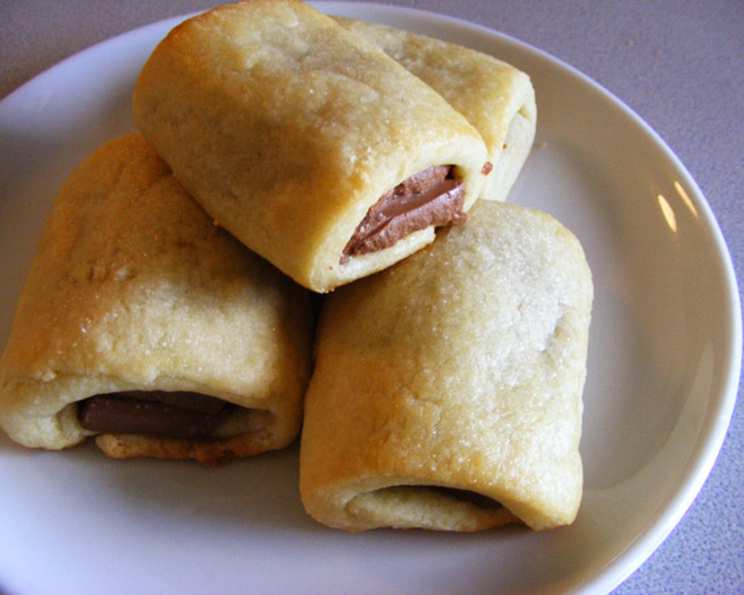
Mock Puff Pastry Dough (Made so Easy!)
I still remember my grandmother, a formidable baker, declaring that puff pastry was “a labor of love… and a little bit of magic.” Back then, the endless folding and chilling seemed daunting, almost unattainable. But sometimes, love needs a shortcut. This recipe is my tribute to her – a way to capture that flaky, buttery goodness without spending an entire afternoon in the kitchen, proving that even magic can be a little bit easier.
Recipe Overview
- Prep Time: 10 minutes
- Cook Time: Varies based on recipe
- Total Time: 40 minutes (including chilling)
- Yield: 1 Puff Pastry
- Dietary Type: Can be Vegetarian (depending on sour cream)
Ingredients
- ¾ cup flour
- ½ cup butter, cold and cubed
- ¼ cup sour cream, cold
Equipment Needed
- Food processor
- Rolling pin
- Plastic wrap
Instructions
- Begin by adding the flour to the bowl of a food processor.
- Add the cold, cubed butter to the flour.
- Pulse the mixture in the food processor until the butter is incorporated and the mixture resembles coarse crumbs. Be careful not to over-process. You want small bits of butter visible for flakiness.
- Add the cold sour cream to the mixture.
- Pulse the ingredients in the food processor just until a ball begins to form and the dough barely holds together. Be extremely careful not to over-mix; this is crucial for achieving a tender, flaky pastry.
- Remove the dough from the food processor and place it on a lightly floured surface.
- Roll the dough out into a rectangle.
- Fold the dough in thirds, like folding a business letter. This creates the first set of layers.
- Repeat the rolling and folding process 2-3 more times to create additional layers of butter and dough. The more times you fold, the flakier your pastry will be.
- Wrap the dough tightly in plastic wrap.
- Refrigerate the wrapped dough for a minimum of 30 minutes before using. This allows the gluten to relax and the butter to firm up, which is essential for proper flakiness.
- After chilling, remove the dough from the refrigerator. If it feels too firm, let it sit at room temperature for a few minutes to soften slightly or pound it gently with a rolling pin to make it more pliable.
- Your mock puff pastry is now ready to be used in any recipe that calls for puff pastry!
Expert Tips & Tricks
- Keep it Cold: The key to flaky pastry is keeping the butter cold. Use cold ingredients and work quickly to prevent the butter from melting. If you notice the butter getting too soft during the folding process, return the dough to the refrigerator for 10-15 minutes to firm up.
- Don’t Overwork: Overmixing develops the gluten in the flour, resulting in a tough pastry. Pulse the ingredients in the food processor just until they come together.
- Rolling Technique: When rolling out the dough, use gentle, even pressure. Avoid pressing down too hard, which can flatten the layers of butter and dough.
- Resting is Key: Chilling the dough allows the gluten to relax, making it easier to roll out and preventing it from shrinking during baking. Don’t skip this step!
- Egg Wash for Shine: For a beautiful golden-brown crust, brush the pastry with an egg wash (1 egg beaten with 1 tablespoon of water) before baking.
- Docking the Dough: If you’re using the pastry for a pie or tart base, prick the bottom with a fork (docking) to prevent it from puffing up unevenly.
Serving & Storage Suggestions
This mock puff pastry is incredibly versatile and can be used in a wide variety of sweet and savory dishes. Use it for pies, tarts, turnovers, vol-au-vents, or even homemade croissants.
- Serving: Serve your finished baked goods warm or at room temperature. They are best enjoyed on the day they are baked.
- Storage: Leftover baked goods can be stored in an airtight container at room temperature for up to 2 days, or in the refrigerator for up to 4 days. For longer storage, freeze the baked goods for up to 2 months.
- Reheating: To reheat, bake in a preheated oven at 350°F (175°C) for 5-10 minutes, or until warmed through. You can also microwave in 15 second intervals until heated to your liking. For crisper results, consider using the oven over a microwave.
- Unbaked Dough: The unbaked dough can be stored in the refrigerator for up to 2 days. Wrap it tightly in plastic wrap to prevent it from drying out. You can also freeze the unbaked dough for up to 2 months. Thaw it overnight in the refrigerator before using.
Nutritional Information
| Nutrient | Amount per Serving | % Daily Value |
|---|---|---|
| Calories | 1266 kcal | N/A |
| Total Fat | 104.3 g | 160% |
| Saturated Fat | 65.1 g | 325% |
| Cholesterol | 273.9 mg | 91% |
| Sodium | 858.3 mg | 35% |
| Total Carbohydrate | 73.3 g | 24% |
| Dietary Fiber | 2.5 g | 10% |
| Sugars | 2.3 g | N/A |
| Protein | 11.8 g | 23% |
Note: Nutritional information is an estimate and may vary based on specific ingredients and portion sizes.
Variations & Substitutions
- Dairy-Free: Substitute the butter with a high-quality vegan butter alternative and the sour cream with a dairy-free sour cream alternative or a thick plant-based yogurt like cashew or coconut yogurt.
- Gluten-Free: Use a gluten-free all-purpose flour blend. You may need to add a binder like xanthan gum to help the dough hold together.
- Herb-Infused: Add finely chopped fresh herbs, such as rosemary, thyme, or parsley, to the flour mixture for a savory twist.
- Sweet Pastry: Add 1-2 tablespoons of granulated sugar to the flour mixture for a sweet pastry perfect for desserts.
- Lemon Zest: Add lemon zest to the flour mixture for a light lemony flavor.
FAQs (Frequently Asked Questions)
Q: Can I make this dough without a food processor?
A: While a food processor makes it easier, you can make this dough by hand. Cut the cold butter into the flour using a pastry blender or your fingertips until the mixture resembles coarse crumbs, then stir in the sour cream.
Q: Why is my pastry tough?
A: Overmixing is the most common cause of tough pastry. Be careful not to overwork the dough in the food processor or when rolling it out.
Q: Can I freeze this dough?
A: Yes, this dough freezes very well. Wrap it tightly in plastic wrap and store it in the freezer for up to 2 months. Thaw it overnight in the refrigerator before using.
Q: How can I prevent the pastry from shrinking during baking?
A: Chilling the dough properly and avoiding overworking it will help prevent shrinking. Also, make sure your oven is properly preheated.
Q: What if I don’t have sour cream? Can I use something else?
A: Plain Greek yogurt can be used as a substitute for sour cream in this recipe. The texture and slight tang of Greek yogurt will work similarly to sour cream.
Final Thoughts
This mock puff pastry recipe is a game-changer for anyone who loves the taste and texture of puff pastry but doesn’t have the time or patience for the traditional method. It’s surprisingly easy to make and yields a beautifully flaky and buttery result. Don’t be intimidated – give it a try! I am confident that you’ll be amazed at how simple it is to create impressive baked goods with this easy recipe. Let me know what you think and what delicious creations you come up with! Perhaps serve your pastry creation with a nice cup of freshly brewed coffee or a scoop of vanilla ice cream. Enjoy!