
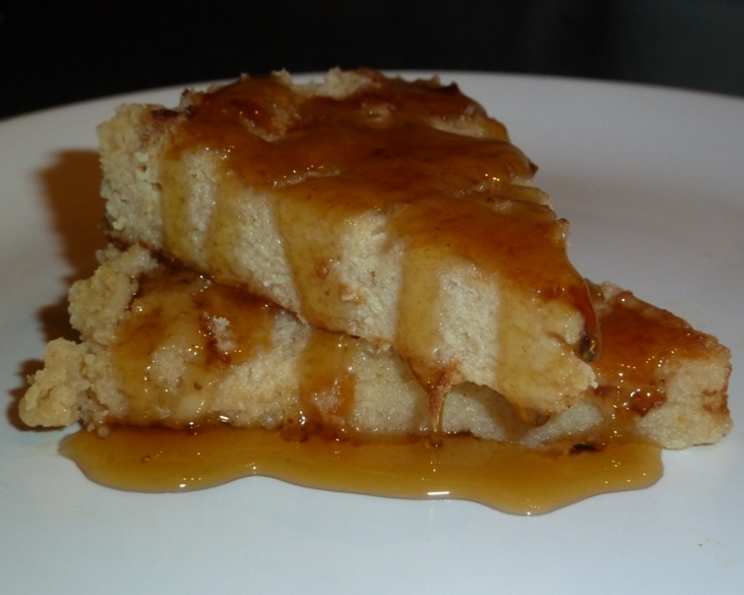
Rediscovering Libum: A Taste of Ancient Roman Cheesecake
I remember the first time I encountered a recipe for Libum. It wasn’t in a culinary school textbook, but rather tucked away in the dusty pages of an old history book. The stark simplicity of the ingredients – flour, cheese, egg, a bay leaf – seemed almost otherworldly. As I mixed the dough, the aroma, though subtle, transported me to a sun-drenched Italian countryside, imagining the ancient Romans preparing this very cake as an offering. The taste, both rustic and comforting, solidified my fascination with culinary history.
Recipe Overview
- Prep Time: 15 minutes
- Cook Time: 35-40 minutes
- Total Time: 50-55 minutes
- Servings: 4
- Yield: 4 small cakes
- Dietary Type: Not Gluten-Free
Ingredients
- 1 cup all-purpose flour
- 8 ounces ricotta cheese
- 1 egg, beaten
- 4 bay leaves
- 1/2 cup clear honey
Equipment Needed
- Mixing bowl
- Baking sheet
- Greased baking sheet
- Oven
- Shallow clay pot, metal bowl, or casserole dish (optional)
Instructions
- Begin by sifting the flour into a large mixing bowl. This ensures a lighter texture for the final product.
- In a separate bowl, beat the ricotta cheese until it is soft and smooth. This step is crucial for creating a creamy and well-integrated dough.
- Add the softened ricotta cheese to the sifted flour, along with the beaten egg.
- Mix all ingredients together until a soft dough forms. Don’t overmix; just combine until the dough comes together.
- Divide the dough into 4 equal portions.
- Mold each portion into a bun or small cake shape. Aim for a uniform size and shape for even baking.
- Grease a baking tray to prevent the cakes from sticking.
- Place a fresh bay leaf on the greased baking tray for each cake. Then, place each cake on top of a bay leaf. The bay leaf imparts a subtle, aromatic flavor to the bottom of the cake.
- Preheat your oven to 425°F (220°C). Ensure the oven is fully preheated before baking for optimal results.
- Cover the cakes during baking. The Romans often used a domed earthenware cover called a testo. If you have one, great! Otherwise, an overturned, shallow clay pot, a metal bowl, or even a casserole dish can be used as a substitute to trap steam and encourage even cooking.
- Bake for 35-40 minutes, or until the cakes are golden brown. Check for doneness by inserting a toothpick into the center of a cake. If it comes out clean, the cakes are ready. If not, continue baking for a few more minutes.
- While the cakes are baking, gently warm the honey in a small saucepan or in the microwave. Be careful not to overheat it.
- Once the cakes are baked and still warm, place them directly into the warmed honey. Allow them to sit in the honey for about 30 minutes, so they can absorb the honey.
- After soaking, allow the cakes to stand for at least 30 minutes before serving. This allows the flavors to meld together.
Expert Tips & Tricks
- For a richer flavor, try using whole milk ricotta cheese.
- If you prefer a sweeter cake, add a tablespoon of honey directly into the dough.
- If you don’t have a testo or similar cover, you can tent the baking tray with foil for the first half of the baking time to achieve a similar effect. Remove the foil during the last 15-20 minutes to allow the cakes to brown.
- To ensure even baking, rotate the baking sheet halfway through the baking time.
- If the cakes are browning too quickly, reduce the oven temperature by 25°F (15°C).
- Experiment with different herbs and spices. A pinch of cinnamon or nutmeg in the dough can add a warm, comforting note.
- For a more complex flavor profile, consider using a wildflower honey or a honey infused with herbs.
Serving & Storage Suggestions
Libum is best served warm or at room temperature. Arrange the cakes attractively on a plate and drizzle with any remaining honey. They make a delightful accompaniment to a cup of herbal tea or a glass of dessert wine.
Leftover Libum can be stored in an airtight container at room temperature for up to 2 days, or in the refrigerator for up to 4 days. To reheat, warm gently in a low oven or microwave until heated through. You can also freeze them for longer storage, up to 1 month. Thaw completely before reheating.
Nutritional Information
| Nutrient | Amount per Serving | % Daily Value |
|---|---|---|
| Calories | 363.7 kcal | N/A |
| Calories from Fat | N/A | 23% |
| Total Fat | 9.2 g | 14% |
| Saturated Fat | 5.3 g | 26% |
| Cholesterol | 83 mg | 27% |
| Sodium | 69.4 mg | 2% |
| Total Carbohydrate | 60.6 g | 20% |
| Dietary Fiber | 0.9 g | 3% |
| Sugars | 35.1 g | N/A |
| Protein | 11.6 g | 23% |
Note: Nutritional information is an estimate and may vary based on specific ingredients and portion sizes.
Variations & Substitutions
- Gluten-Free Libum: Substitute the all-purpose flour with a gluten-free blend. You may need to adjust the amount of liquid to achieve the right dough consistency.
- Vegan Libum: Replace the ricotta cheese with a plant-based ricotta alternative (such as a tofu-based or cashew-based ricotta). Use a flax egg (1 tablespoon ground flaxseed mixed with 3 tablespoons water) in place of the chicken egg.
- Citrus Zest: Add the zest of one lemon or orange to the dough for a bright, refreshing flavor.
- Spiced Libum: Incorporate a pinch of warming spices like cinnamon, nutmeg, or cardamom into the dough.
- Savory Libum: Omit the honey and add a pinch of salt, black pepper, and chopped fresh herbs like rosemary or thyme for a savory twist.
FAQs (Frequently Asked Questions)
Q: Is Libum supposed to be very sweet?
A: No, Libum is not overly sweet. The honey is primarily used to soak the cakes after baking, providing a subtle sweetness and moisture.
Q: Can I use a different type of cheese instead of ricotta?
A: While ricotta is traditional, you could experiment with other soft cheeses like mascarpone or even a well-drained cottage cheese. The texture and flavor will vary slightly.
Q: Why do I need to cover the cakes while baking?
A: Covering the cakes creates a steamy environment that helps them cook evenly and prevents them from drying out.
Q: Can I make Libum ahead of time?
A: Yes, you can prepare the dough ahead of time and store it in the refrigerator for up to 24 hours. Allow the dough to come to room temperature before shaping and baking.
Q: What is the best way to reheat Libum?
A: The best way to reheat Libum is in a low oven (around 300°F/150°C) for about 10-15 minutes, or until warmed through. You can also microwave it for a shorter amount of time, but be careful not to overcook it.
Final Thoughts
Libum, with its humble ingredients and ancient origins, offers a fascinating glimpse into the culinary traditions of the Roman Empire. It’s a testament to how simple ingredients, when combined with care and intention, can create a truly satisfying dish. Don’t be intimidated by its historical context. Embrace the opportunity to connect with the past through this rustic and flavorful cake. Try making Libum for yourself, and feel free to experiment with variations to create a unique flavor profile. Share your creations and experiences, and let’s keep this culinary tradition alive for generations to come!