
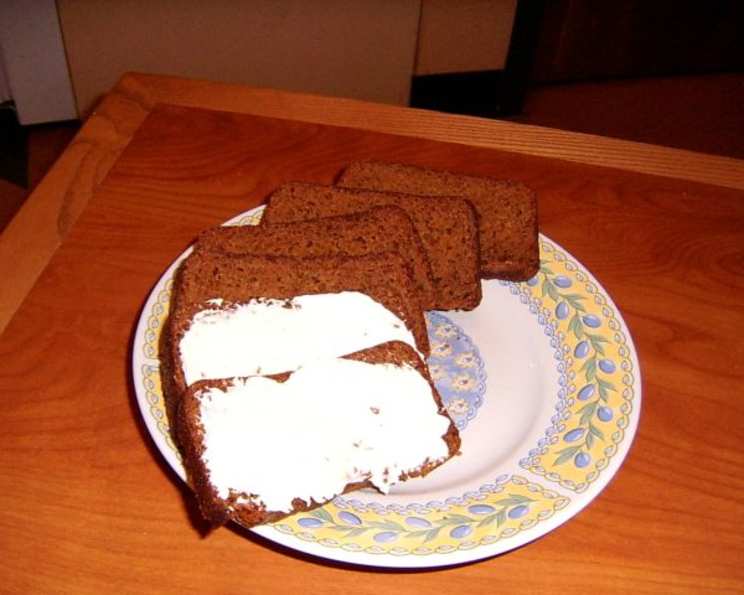
Molasses Bread: A Taste of Home
The scent of molasses baking in the oven…it instantly transports me back to my grandmother’s kitchen. She always had a loaf of this dark, sweet bread ready to slice and serve with a generous dollop of butter. The warm, comforting aroma would fill the entire house, creating an atmosphere of pure love and simple pleasures. It wasn’t just bread; it was a hug in every bite, a reminder of simpler times and the joy of sharing good food with family. Now, I carry on her tradition, hoping to pass that same feeling of warmth and nostalgia to those I bake for.
Recipe Overview
- Prep Time: 15 minutes
- Cook Time: 1 hour 30 minutes
- Total Time: 1 hour 45 minutes
- Yields: 1 loaf
- Serves: 10
- Dietary Type: Vegetarian
Ingredients
- 1 cup whole wheat flour
- 1 cup all-purpose flour
- 1 teaspoon baking soda
- 1 teaspoon salt
- ½ cup sugar
- ½ cup dark molasses
- 1 ½ cups milk (do not use skim!)
Equipment Needed
- 9×4 inch loaf pan
- Non-stick cooking spray
- Sifter
- Electric mixer
- Mixing bowls
Instructions
-
Begin by preheating your oven to 325 degrees Fahrenheit (160 degrees Celsius). This lower temperature is key to ensuring the bread bakes evenly and doesn’t burn on the outside before the inside is cooked through.
-
Prepare your 9×4 inch loaf pan by spraying it generously with non-stick cooking spray. Make sure to coat all surfaces, including the corners, to prevent the bread from sticking after baking. A well-greased pan will make removing the loaf much easier.
-
In a medium-sized mixing bowl, sift together the dry ingredients: whole wheat flour, all-purpose flour, baking soda, and salt. Sifting is crucial for achieving a light and airy texture, as it removes any lumps and evenly distributes the baking soda and salt throughout the flour.
-
In a separate, larger mixing bowl, combine the wet ingredients: sugar, dark molasses, and milk. Be sure to use a full-fat milk for the best results; skim milk will result in a drier loaf.
-
Gradually add the sifted dry ingredients to the wet ingredients, mixing as you go.
-
Using an electric mixer, blend the mixture until it is well combined. Be careful not to overmix, as this can result in a tough bread. Mix until just combined, ensuring there are no large lumps of flour remaining.
-
Pour the batter into the prepared loaf pan, spreading it evenly to ensure a uniform rise during baking.
-
Bake for 1 and 1/2 hours (90 minutes). To check for doneness, insert a wooden skewer or toothpick into the center of the loaf. If it comes out clean or with only a few moist crumbs attached, the bread is ready. If the skewer comes out with wet batter, continue baking for another 5-10 minutes and check again.
-
Once baked, cool the bread in the pan for 10 minutes before inverting it onto a wire rack to cool completely. This allows the bread to set slightly, preventing it from crumbling when you remove it from the pan.
-
Slice and serve. It’s especially delicious with a generous spread of cream cheese!
Expert Tips & Tricks
- Molasses matters: The type of molasses you use will significantly impact the flavor of your bread. Dark molasses will give you a richer, more intense flavor, while light molasses will be milder.
- Room temperature ingredients: Using room temperature milk will help the ingredients combine more easily and result in a more even texture.
- Don’t overmix: Overmixing develops the gluten in the flour, resulting in a tough bread. Mix until just combined.
- Oven calibration: Ovens can vary in temperature, so it’s always a good idea to use an oven thermometer to ensure your oven is accurate.
- Preventing a soggy bottom: To prevent a soggy bottom crust, you can place a baking sheet on the rack below the loaf pan. This will help to distribute the heat more evenly.
Serving & Storage Suggestions
Molasses bread is incredibly versatile and can be enjoyed in many ways. Serve it warm, sliced, and slathered with butter or cream cheese for a simple yet satisfying treat. It also makes a fantastic accompaniment to soups and stews, adding a touch of sweetness to balance savory flavors. Toasting a slice and topping it with peanut butter or almond butter is another delicious option.
To store leftover molasses bread, wrap it tightly in plastic wrap or place it in an airtight container. It will keep at room temperature for up to 3 days, in the refrigerator for up to a week, or in the freezer for up to 3 months. To thaw frozen bread, simply leave it at room temperature for a few hours. You can also reheat slices in the toaster oven for a warm and comforting treat.
Nutritional Information
| Nutrient | Amount per Serving | % Daily Value |
|---|---|---|
| Calories | 197.3 kcal | N/A |
| Calories from Fat | 16 g | 8% |
| Total Fat | 1.8 g | 2% |
| Saturated Fat | 0.9 g | 4% |
| Cholesterol | 5.1 mg | 1% |
| Sodium | 383.2 mg | 15% |
| Total Carbohydrate | 42.5 g | 14% |
| Dietary Fiber | 1.6 g | 6% |
| Sugars | 19.4 g | N/A |
| Protein | 4.1 g | 8% |
Note: Nutritional information is an estimate and may vary based on specific ingredients and preparation methods.
Variations & Substitutions
- Spiced Molasses Bread: Add 1 teaspoon of ground cinnamon, ½ teaspoon of ground ginger, and ¼ teaspoon of ground cloves to the dry ingredients for a warm and fragrant variation.
- Nutty Molasses Bread: Stir in ½ cup of chopped walnuts or pecans into the batter before baking for added texture and flavor.
- Citrus Zest: Add the zest of one orange or lemon to the wet ingredients for a bright and refreshing twist.
- Whole Wheat Only: Use 2 cups of whole wheat flour instead of a mix of whole wheat and all-purpose. The bread will be denser and have a nuttier flavor.
- Gluten-Free: Substitute the wheat flours with a gluten-free all-purpose baking flour blend. You may need to adjust the liquid slightly depending on the blend.
FAQs (Frequently Asked Questions)
Q: Can I use a different size loaf pan?
A: While a 9×4 inch loaf pan is ideal, you can use an 8×4 inch pan, but the baking time may need to be increased slightly. Keep an eye on it to prevent burning.
Q: Can I reduce the amount of sugar?
A: Yes, you can reduce the sugar to ¼ cup if you prefer a less sweet bread. However, keep in mind that the sugar also contributes to the bread’s texture and moisture.
Q: Why is my bread dry?
A: Overbaking is the most common cause of dry bread. Be sure to check for doneness regularly, and avoid overmixing the batter. Using the correct amount of milk is also critical.
Q: Can I make this bread without an electric mixer?
A: Yes, you can mix the batter by hand, but it will require more effort to ensure that the ingredients are well combined.
Q: My bread is sinking in the middle. What went wrong?
A: This can be caused by a few factors, including using old baking soda, not measuring the ingredients accurately, or opening the oven door too frequently during baking.
Final Thoughts
I truly hope you enjoy baking and savoring this molasses bread as much as I do. It’s a simple recipe with a profound ability to evoke feelings of comfort and nostalgia. Whether you enjoy it on its own or as part of a larger meal, I encourage you to share it with loved ones and create your own cherished memories around this delightful treat. Don’t hesitate to experiment with variations and make it your own. Happy baking!