
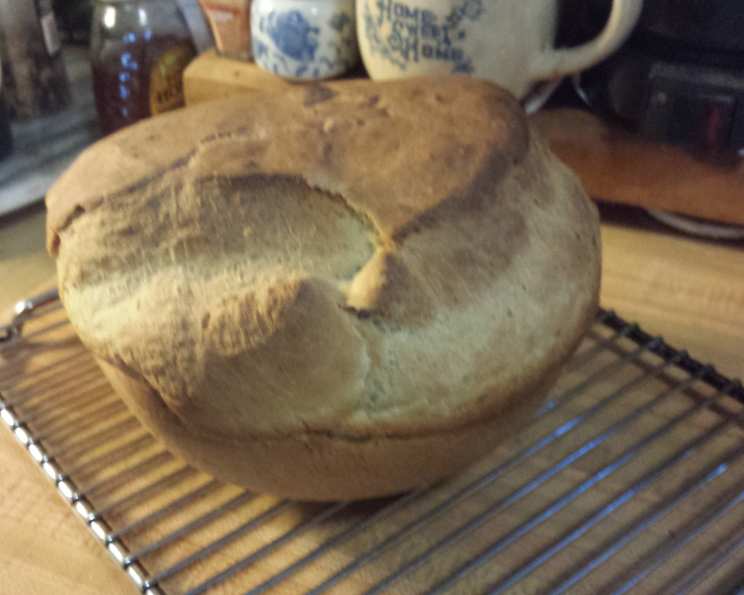
Mom’s Casserole Bread: A Taste of Home
The aroma alone is enough to transport me back to my childhood kitchen. I can almost see my mother, her hands dusted with flour, pulling a golden-brown, perfectly round loaf from the oven. This wasn’t just bread; it was love baked into a simple casserole dish. It was the comforting base for countless family meals, the perfect vessel for soaking up every last drop of her famous tomato soup, and a welcome sight on any potluck table. It’s a recipe I cherish, and I’m excited to share it with you.
Recipe Overview
- Prep Time: 1 hour
- Cook Time: 55 minutes
- Total Time: 1 hour 55 minutes
- Servings: 4-6
- Yield: 1 round loaf
- Dietary Type: Vegetarian
Ingredients
- 2 1/4 ounces dry yeast
- 2 cups warm water
- 2 tablespoons sugar
- 2 teaspoons salt
- 2 tablespoons butter or margarine
- 4 cups unsifted flour
Equipment Needed
- Large mixing bowl
- Wooden spoon
- Wax paper or plastic wrap
- Greased glass or ceramic casserole bowl
Instructions
-
In a large mixing bowl, dissolve the dry yeast in the warm water. Be sure the water isn’t too hot, or it will kill the yeast. Lukewarm is ideal – think baby bottle temperature.
-
Add the sugar, salt, and softened butter (or margarine) to the bowl. Stir in 3 cups of the unsifted flour.
-
Blend the mixture until it is smooth. This can be done with a sturdy spoon or a dough whisk.
-
Using a wooden spoon, beat in the remaining cup of flour. The dough will be quite sticky at this stage.
-
Cover the bowl loosely with wax paper or plastic wrap. The key here is loose – you don’t want to create a tight seal.
-
Place the bowl in a warm, dry place, away from any drafts. Let the dough rise for approximately 45 minutes. During this time, it will more than double in bulk. Find a sunny spot in your kitchen, or even a slightly warmed oven (turned off!) can work well.
-
After the rising period, use a wooden spoon to beat down the mixture for about half a minute. This releases the air and prepares it for baking.
-
Place the dough in a greased glass or ceramic casserole bowl. A 2-quart bowl works perfectly. Make sure to grease it well to prevent the bread from sticking.
-
Bake in a preheated oven at 375°F (190°C) for 50-55 minutes. The bread is done when it’s golden brown and sounds hollow when you tap on it.
-
Remove the bread from the oven and let it cool on a rack for a few minutes.
-
Gently pop the bread out of the bowl and let it cool a bit more before slicing.
-
Serve warm in wedges with butter, your favorite soup, stew, or chili. Or, for a more sophisticated pairing, serve it with a hunk of great cheese and a bottle of wine!
Expert Tips & Tricks
- Yeast Activation: Always check the expiration date on your yeast. To ensure your yeast is active, proof it by adding it to the warm water with a pinch of sugar. If it foams up within 5-10 minutes, it’s good to go.
- Temperature Matters: The temperature of the water is critical for yeast activation. Too hot, and you’ll kill the yeast; too cold, and it won’t activate. Aim for around 105-115°F (40-46°C).
- Don’t Overmix: Overmixing can lead to a tough bread. Mix until just combined.
- Oven Thermostat: All ovens are different. Keep an eye on the bread during the last 15 minutes of baking to prevent it from burning. If it’s browning too quickly, tent it with foil.
- The Thump Test: A hollow sound when you tap the bottom of the loaf indicates that it’s done.
- Make Ahead: You can prepare the dough ahead of time and let it rise in the refrigerator overnight. This slow fermentation will enhance the flavor of the bread. Just be sure to bring it to room temperature before baking.
Serving & Storage Suggestions
Serve this bread warm, sliced into wedges. It’s fantastic with butter, olive oil, or alongside a hearty soup or stew. Leftovers can be stored at room temperature in an airtight container for up to 2 days, or in the refrigerator for up to 5 days. For longer storage, wrap the bread tightly in plastic wrap and freeze it for up to 2 months. To reheat, thaw completely and warm in a 350°F (175°C) oven for 10-15 minutes, or until heated through. You can also toast individual slices for a quick and easy snack.
Nutritional Information
| Nutrient | Amount per Serving | % Daily Value |
|---|---|---|
| Calories | 582.1 kcal | N/A |
| Calories from Fat | 73 g | 13% |
| Total Fat | 8.2 g | 12% |
| Saturated Fat | 4 g | 20% |
| Cholesterol | 15.3 mg | 5% |
| Sodium | 1227.7 mg | 51% |
| Total Carbohydrate | 108.3 g | 36% |
| Dietary Fiber | 7.7 g | 30% |
| Sugars | 6.6 g | 26% |
| Protein | 19.4 g | 38% |
Variations & Substitutions
- Whole Wheat Version: Substitute up to half of the all-purpose flour with whole wheat flour for a nuttier flavor and added fiber.
- Herb Infusion: Add 1-2 tablespoons of dried herbs like rosemary, thyme, or oregano to the dough for an herbaceous twist.
- Garlic Bread: Brush the baked loaf with garlic butter while it’s still warm for a delicious garlic bread.
- Cheese Bread: Add 1 cup of shredded cheddar, mozzarella, or parmesan cheese to the dough before baking.
- Sweet Bread: Reduce the salt to 1 teaspoon and add 1/4 cup of honey for a slightly sweet bread that’s great with fruit preserves.
- Dairy-Free Option: Substitute the butter with a dairy-free butter alternative or olive oil.
FAQs (Frequently Asked Questions)
Q: Can I use instant yeast instead of active dry yeast?
A: Yes, you can. Use the same amount, but you don’t need to dissolve it in water first. Simply add it to the dry ingredients.
Q: My bread didn’t rise properly. What went wrong?
A: Several factors can affect rising. Make sure your yeast is fresh and active, the water is the right temperature, and the dough is in a warm, draft-free location.
Q: Can I bake this bread in a different type of pan?
A: Yes, you can use a loaf pan or even a cast-iron skillet. Adjust the baking time accordingly, as different pans conduct heat differently.
Q: How do I prevent the bread from sticking to the bowl?
A: Grease the casserole bowl generously with butter, shortening, or cooking spray. You can also dust it with flour after greasing.
Q: Can I add seeds to the dough?
A: Absolutely! Sunflower seeds, pumpkin seeds, or sesame seeds would all be delicious additions. Add about 1/4-1/2 cup to the dough before the first rise.
Final Thoughts
Mom’s Casserole Bread is more than just a recipe; it’s a connection to family, comfort, and simple pleasures. I encourage you to try this recipe and experience the joy of baking a loaf of bread from scratch. It’s a forgiving recipe, so don’t be afraid to experiment with variations and make it your own. Share it with loved ones, and let the aroma of freshly baked bread fill your home with warmth and happiness. I’d love to hear about your experiences and any creative twists you add to this classic recipe. Happy baking!