
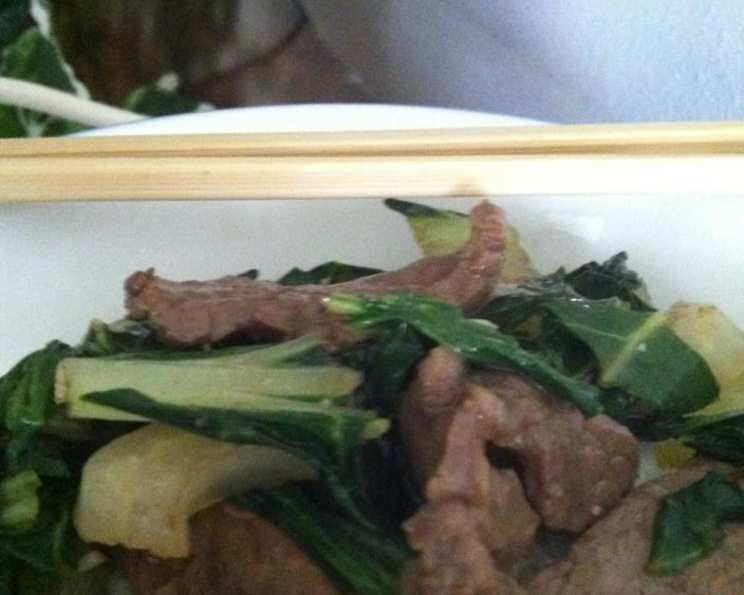
Mongolian Beef and Bok Choy: A Flavorful Stir-Fry Adventure
I remember the first time I tasted Mongolian Beef. It wasn’t in a fancy restaurant, but at a lively street food stall during my travels in Southeast Asia. The sweet and savory aroma wafted through the air, drawing me in. The tender beef, glistening in a rich sauce, was balanced perfectly by the crisp-tender bite of bok choy. It was an explosion of flavor and texture that I knew I had to recreate back home. This recipe captures the essence of that delicious memory, bringing the vibrant taste of Asian cuisine to your kitchen.
Recipe Overview
- Prep Time: 15 minutes
- Cook Time: 5 minutes
- Total Time: 20 minutes
- Servings: 4
- Dietary Type: Adaptable (see variations)
Ingredients
- 3 cups flank steak, thinly sliced against the grain
- 1 cup shiitake mushrooms, thinly sliced
- 1 cup bok choy
- 1 tablespoon oyster sauce
- ½ cup vegetable oil
- ⅛ cup fresh ginger, minced
- 2 cloves garlic, finely chopped
- ½ tablespoon sesame oil
- ¼ cup light soy sauce
- ⅓ cup chicken broth
Equipment Needed
- Wok or large skillet
- Mixing bowls
- Measuring cups and spoons
Instructions
-
First, prepare the beef by marinating the flank steak in the oyster sauce and ¼ cup of the vegetable oil. Ensure the beef is evenly coated and set aside. This allows the flavors to penetrate the meat, resulting in a more tender and flavorful dish.
-
In a separate mixing bowl, whisk together the light soy sauce, sesame oil, and chicken broth. This will be your sauce, so ensure it is well combined. Set this aside for later use.
-
Heat the remaining ¼ cup of vegetable oil in a wok or large skillet over high heat. This is crucial for achieving the characteristic “wok hei,” the slightly smoky flavor that’s essential for authentic stir-fries. The pan should be almost smoking before you add the next ingredients.
-
Add the minced garlic and ginger to the hot wok and sauté for about 15-20 seconds, until fragrant. Be careful not to burn the garlic, as it can become bitter.
-
Add the marinated flank steak to the wok and sauté for approximately 2 minutes, stirring constantly to ensure even cooking. The beef should be browned on all sides but not fully cooked through.
-
Add the sliced shiitake mushrooms and bok choy to the wok. Sauté for another 2 minutes, stirring frequently, until the bok choy is slightly wilted but still crisp-tender and the mushrooms have softened.
-
Pour the soy sauce mixture over the beef and vegetables in the wok. Cook for about 30 seconds, stirring constantly, until the sauce has thickened slightly and is heated through. This step brings all the flavors together and creates a glossy, delicious sauce.
-
Remove from heat and serve immediately.
Expert Tips & Tricks
- Slice the beef thinly against the grain: This is absolutely critical for tender beef. Cutting against the grain shortens the muscle fibers, making it easier to chew.
- High heat is key: The high heat of the wok is essential for creating that authentic stir-fry flavor. Don’t overcrowd the pan, or the temperature will drop, and the ingredients will steam instead of stir-fry.
- Prep all ingredients beforehand: Stir-fries cook very quickly, so it’s important to have all your ingredients prepped and ready to go before you start cooking. This includes slicing the beef, chopping the vegetables, and measuring out the sauce.
- Don’t overcook the beef: Overcooked beef will be tough and dry. The beef should be cooked until it’s browned on the outside but still slightly pink on the inside.
- Adjust the sauce to your liking: If you prefer a sweeter sauce, you can add a touch of brown sugar or honey. If you prefer a spicier sauce, you can add a pinch of red pepper flakes or a dash of chili oil.
Serving & Storage Suggestions
Serve this Mongolian Beef and Bok Choy immediately over steamed rice or noodles. Garnish with sesame seeds and chopped green onions for an extra touch of flavor and visual appeal.
Leftovers can be stored in an airtight container in the refrigerator for up to 3 days. To reheat, simply microwave or stir-fry in a pan until heated through. Reheating may slightly alter the texture of the bok choy. It is not recommended to freeze this dish, as the texture of the bok choy can become mushy upon thawing.
Nutritional Information
| Nutrient | Amount per Serving | % Daily Value |
|---|---|---|
| Calories | 603 kcal | N/A |
| Calories from Fat | 390 kcal | N/A |
| Total Fat | 43.4 g | 66% |
| Saturated Fat | 9.7 g | 48% |
| Cholesterol | 115.9 mg | 38% |
| Sodium | 1319.6 mg | 54% |
| Total Carbohydrate | 12.4 g | 4% |
| Dietary Fiber | 1 g | 4% |
| Sugars | 0.9 g | N/A |
| Protein | 40.8 g | 81% |
Note: Nutritional information is an estimate and may vary based on specific ingredients and preparation methods.
Variations & Substitutions
- Gluten-Free: Use tamari instead of soy sauce to make this dish gluten-free.
- Vegetarian/Vegan: Substitute the beef with firm tofu or tempeh. For the oyster sauce, use a vegetarian oyster sauce made from mushrooms or simply omit it, adjusting the soy sauce and other seasonings to taste.
- Different Vegetables: Feel free to substitute the bok choy with other leafy greens like spinach, kale, or chard. You can also add other vegetables like bell peppers, broccoli, or snap peas.
- Spicy Version: Add a pinch of red pepper flakes or a drizzle of chili oil to the sauce for a spicy kick.
- Sweet Version: Add a tablespoon of brown sugar or honey to the sauce for a sweeter flavor.
FAQs (Frequently Asked Questions)
Q: Can I use a different cut of beef?
A: While flank steak is ideal for its tenderness and flavor, you can use other cuts like sirloin or skirt steak. Just make sure to slice them thinly against the grain.
Q: What if I don’t have a wok?
A: A large skillet will work just fine. Make sure it’s heated well before adding the ingredients.
Q: Can I make this ahead of time?
A: You can prep the ingredients ahead of time, but it’s best to cook the dish right before serving to ensure the beef and vegetables are at their best.
Q: Is oyster sauce essential?
A: While it adds a unique umami flavor, you can omit it and adjust the soy sauce and other seasonings to taste. A vegetarian oyster sauce is also a great alternative.
Q: How do I prevent the beef from becoming tough?
A: Marinating the beef and slicing it thinly against the grain are crucial. Also, avoid overcooking the beef.
Final Thoughts
This Mongolian Beef and Bok Choy recipe is a guaranteed crowd-pleaser that brings the vibrant flavors of Asian cuisine to your table. Don’t be intimidated by the ingredient list – it’s a surprisingly simple dish to prepare, and the results are incredibly rewarding. I encourage you to try it, experiment with different variations, and share your feedback. Pair it with a crisp Sauvignon Blanc or a refreshing Asian beer for a complete and satisfying meal. Happy cooking!