
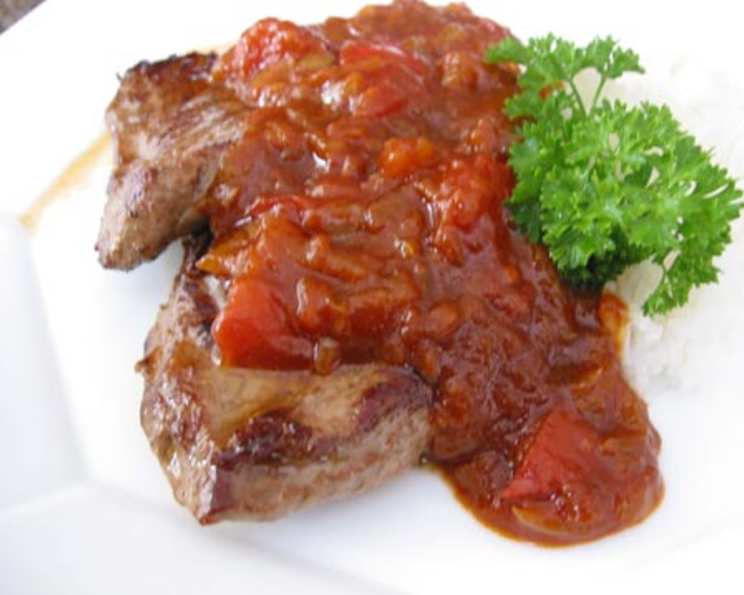
Monkeygland Sauce: A South African Steakhouse Secret Revealed
I’ll never forget the first time I encountered Monkeygland Sauce. It was at a bustling steakhouse in Johannesburg, the air thick with the aroma of sizzling meat and lively conversation. Intrigued by the bizarre name, I hesitantly ordered it, and one bite transformed me. The complex dance of sweet, tangy, and savory notes elevated the perfectly grilled steak to another level – it was a culinary revelation I knew I had to recreate at home.
Recipe Overview
- Prep Time: 10 minutes
- Cook Time: 30 minutes
- Total Time: 40 minutes
- Servings: 8
- Dietary Type: Vegetarian (depending on the chutney used, be sure to check ingredients if this is important.)
Ingredients
- 2 tablespoons oil
- 1 large onion, diced
- 2 cloves garlic, finely chopped
- ½ cup water
- 2 large tomatoes, diced
- 1 cup ketchup
- ½ cup Worcestershire sauce (check ingredients to ensure it is vegetarian)
- ¾ cup fruit chutney
- ¼ cup brown sugar
- 2 tablespoons vinegar
- 1 teaspoon Tabasco sauce
Equipment Needed
- Heavy-bottomed pot
- Wooden spoon or spatula
Instructions
- Begin by heating the oil in a heavy-bottomed pot over medium heat. Once the oil is shimmering, add the diced onion and finely chopped garlic.
- Sauté the onions and garlic until they are softened and translucent, about 5-7 minutes. Stir occasionally to prevent burning.
- Add the remaining ingredients to the pot: the water, diced tomatoes, ketchup, Worcestershire sauce, fruit chutney, brown sugar, vinegar, and Tabasco sauce.
- Stir all the ingredients together well, ensuring the brown sugar is dissolving properly.
- Bring the sauce to a gentle simmer. Reduce the heat to low and simmer for 30 minutes, stirring occasionally. This allows the flavors to meld and deepen. The sauce should thicken slightly as it simmers.
- After 30 minutes, taste the sauce and adjust seasoning as needed. If you prefer a sweeter sauce, add a little more brown sugar. For a tangier sauce, add a splash more vinegar. If you want more heat, add a few more drops of Tabasco sauce.
- Continue to simmer for another 5-10 minutes if the sauce is not yet at your desired consistency. It should be thick enough to coat the back of a spoon.
- Once the sauce has reached your desired consistency, remove from heat. It is now ready to serve.
Expert Tips & Tricks
- Choosing the right chutney is key. Look for a fruit chutney that complements the other flavors in the sauce. Mango chutney, peach chutney, or even a spiced apple chutney work exceptionally well.
- Control the heat: If you’re sensitive to spice, start with half a teaspoon of Tabasco sauce and add more to taste. You can also use a milder chili sauce if you prefer.
- Achieving the perfect consistency: The sauce should be thick enough to coat a spoon without being too gloopy. If it’s too thin, continue simmering until it reduces. If it’s too thick, add a tablespoon or two of water to thin it out.
- For a smoother sauce: If you prefer a smoother texture, use an immersion blender to blend the sauce after simmering. Be careful when blending hot liquids.
Serving & Storage Suggestions
Monkeygland sauce is traditionally served warm over grilled steak. However, its versatility extends far beyond just steak. Try it with grilled chicken, pork chops, or even as a dipping sauce for fries or onion rings.
To store leftovers, let the sauce cool completely before transferring it to an airtight container. It can be stored in the refrigerator for up to 5 days. To reheat, simply warm it gently in a saucepan over low heat, stirring occasionally, or microwave in 30-second intervals until heated through. The sauce is not suitable for freezing due to the tomatoes which will become mushy once defrosted.
Nutritional Information
| Nutrient | Amount per Serving | % Daily Value |
|---|---|---|
| Calories | 145 kcal | 7% |
| Total Fat | 4g | 5% |
| Saturated Fat | 0.5g | 3% |
| Cholesterol | 0mg | 0% |
| Sodium | 550mg | 24% |
| Total Carbohydrate | 26g | 9% |
| Dietary Fiber | 1g | 4% |
| Sugars | 20g | |
| Protein | 1g | 2% |
Variations & Substitutions
- Spicy Monkeygland Sauce: Add a finely chopped chili or a pinch of chili flakes during the sautéing process for an extra kick.
- Smoky Monkeygland Sauce: Incorporate a teaspoon of smoked paprika or a dash of liquid smoke for a smoky flavor profile.
- Vegetarian/Vegan Worcestershire Sauce: Most Worcestershire sauces contain anchovies. To make a fully vegetarian or vegan version, substitute the traditional Worcestershire sauce with a vegan Worcestershire sauce, or a combination of soy sauce, balsamic vinegar, and tamarind paste.
- No-Sugar Added Version: Use a sugar substitute appropriate for cooking, such as stevia or erythritol, to replace the brown sugar.
FAQs (Frequently Asked Questions)
Q: What’s the origin of the name “Monkeygland Sauce”?
A: The name’s origins are disputed, but one common story attributes it to a Swiss-French surgeon who experimented with grafting monkey glands onto humans in the early 20th century, sparking interest in “rejuvenating” recipes. The sauce, though unrelated to actual monkey glands, was supposedly named after the “exotic” and “rejuvenating” idea.
Q: Can I make this sauce ahead of time?
A: Absolutely! In fact, making it a day or two in advance allows the flavors to meld even further. Just store it in an airtight container in the refrigerator.
Q: Is Monkeygland Sauce spicy?
A: The level of spiciness depends on the amount of Tabasco sauce you add. You can adjust the amount to your preference, or omit it altogether if you prefer a milder sauce.
Q: Can I use a different type of vinegar?
A: Yes, you can experiment with different vinegars. Apple cider vinegar or red wine vinegar would be suitable alternatives, adding their own unique flavor notes.
Q: Can I use fresh tomatoes instead of diced?
A: Yes, you can use fresh tomatoes! Ensure to peel and crush them before adding them to the pot.
Final Thoughts
Don’t let the unusual name deter you – Monkeygland Sauce is a truly delicious and versatile condiment that deserves a place in your culinary repertoire. Its unique blend of sweet, tangy, and savory flavors will transform your next steak dinner into a memorable experience. So, gather your ingredients, follow the simple steps, and prepare to be amazed by this South African steakhouse secret. Once you’ve tried it, I’d love to hear what you think, feel free to adjust it to your own personal taste. Enjoy!