
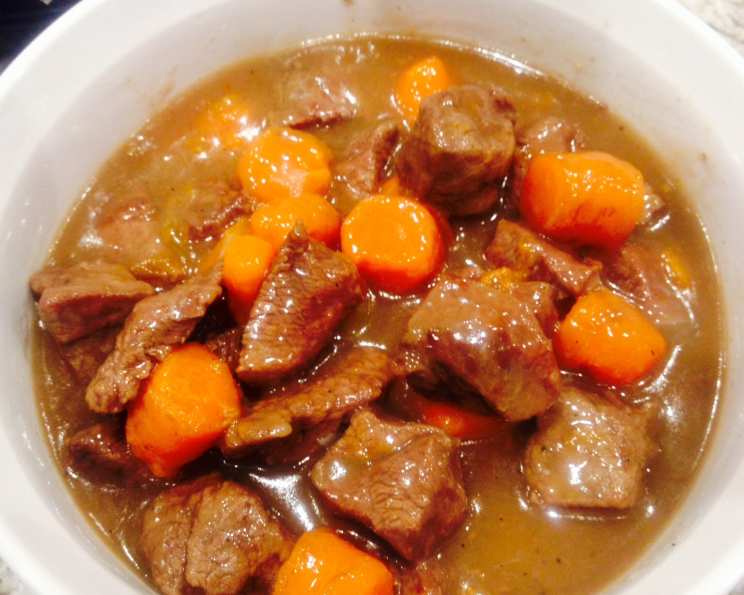
Hearty Moose Stew: A Taste of the Wild
The aroma of moose stew always transports me back to crisp autumn evenings spent in a cozy cabin nestled deep within the Alaskan wilderness. My grandfather, a seasoned hunter and even more seasoned cook, would spend days preparing this rich, savory dish, the scent of simmering meat and earthy vegetables permeating every corner of the cabin. It was more than just a meal; it was a celebration of the hunt, a tribute to the land, and a warm embrace against the encroaching cold. Now, I am excited to share this family heirloom with you!
Recipe Overview
- Prep Time: 20 minutes
- Cook Time: 2 hours 15 minutes
- Total Time: 2 hours 35 minutes
- Servings: 5-6
- Yield: Approximately 8 cups
- Dietary Type: Not specified, but can be made gluten free by using gluten-free flour.
Ingredients
- 2 1⁄2 lbs moose, cut into 1 inch cubes
- 2 tablespoons shortening
- 1⁄4 teaspoon cracked black pepper
- 1⁄2 teaspoon paprika
- 1 bay leaf
- 1 teaspoon salt
- 2 (10 1/2 ounce) cans condensed beef broth
- 1 cup dry red wine
- 1 large onion, diced
- 3 carrots, sliced
- 18 small whole white onions
- 12 small new potatoes, peeled
- 2 tablespoons butter
- 2 tablespoons flour
Equipment Needed
- Large Dutch oven or heavy-bottomed pot
- Cutting board
- Sharp knife
- Mixing bowl
Instructions
-
Begin by preparing your moose. Cut the meat into roughly 1-inch cubes, ensuring they are of uniform size for even cooking.
-
In a large Dutch oven or heavy-bottomed pot, heat the shortening over medium-high heat.
-
Add the moose cubes to the pot in batches, being careful not to overcrowd. Sauté the meat until it is browned on all sides. Browning the meat is crucial for developing a rich, deep flavor in the stew. Remove the browned meat from the pot and set aside.
-
Return all the browned moose to the pot.
-
Add the cracked black pepper, paprika, bay leaf, and salt to the pot with the meat.
-
Pour in the condensed beef broth and dry red wine, ensuring the meat is mostly submerged. The red wine adds a depth of flavor that complements the gamey taste of the moose.
-
Add the diced onion and sliced carrots to the pot.
-
Cover the pot and bring the mixture to a simmer. Once simmering, reduce the heat to low and continue to simmer for approximately 2 hours, or until the moose is tender. This slow simmering process is essential for tenderizing the meat and allowing the flavors to meld together.
-
After 2 hours, add the whole white onions and peeled new potatoes to the stew.
-
Cover the pot again and simmer for an additional 15 minutes, or until the onions and potatoes are barely tender. Be careful not to overcook the vegetables, as they should retain some firmness.
-
In a small mixing bowl, combine the butter and flour to create a paste, also known as a beurre manié. This mixture will be used to thicken the stew.
-
Drop small spoonfuls of the butter and flour paste into the simmering stew, stirring continuously to ensure it dissolves completely and does not form lumps.
-
Continue to cook, stirring frequently, until the stew bubbles and thickens to your desired consistency. This process may take a few minutes.
-
Remove the bay leaf before serving.
-
Serve hot.
Expert Tips & Tricks
- Browning is Key: Don’t skip the browning step. It’s essential for building depth of flavor in the stew. If you overcrowd the pot, the meat will steam instead of brown.
- Deglazing the Pot: After browning the meat, deglaze the pot with a little extra red wine or beef broth, scraping up any browned bits from the bottom. These bits are packed with flavor.
- Slow and Steady: The key to tender moose is low and slow cooking. Don’t rush the simmering process.
- Adjust Seasoning: Taste the stew throughout the cooking process and adjust the seasoning as needed. You may want to add more salt, pepper, or other herbs to your liking.
- Vegetable Variations: Feel free to add other root vegetables such as parsnips or turnips for added flavor and texture.
- Make-Ahead Tip: This stew can be made a day or two in advance. The flavors will meld together even more beautifully as it sits.
Serving & Storage Suggestions
Serve your hearty moose stew hot in bowls, garnished with a sprinkle of fresh parsley or thyme, if desired. It pairs perfectly with a side of crusty bread for soaking up the delicious broth. Cooked rice or creamy polenta are also fantastic additions.
Leftover moose stew can be stored in an airtight container in the refrigerator for up to 3-4 days. For longer storage, freeze the stew in freezer-safe containers for up to 2-3 months. When ready to reheat, thaw the stew in the refrigerator overnight and then gently warm it in a pot on the stovetop over medium heat, stirring occasionally, until heated through. You can also microwave individual portions.
Nutritional Information
Please note that this is an estimated nutritional value and may vary based on specific ingredients and portion sizes.
| Nutrient | Amount per Serving | % Daily Value |
|---|---|---|
| Calories | 845.8 kcal | N/A |
| Calories from Fat | 109g | 13% |
| Total Fat | 12.2 g | 18% |
| Saturated Fat | 4.9 g | 24% |
| Cholesterol | 146 mg | 48% |
| Sodium | 1325.3 mg | 55% |
| Total Carbohydrate | 108.8 g | 36% |
| Dietary Fiber | 14.1 g | 56% |
| Sugars | 17.4 g | 69% |
| Protein | 67.3 g | 134% |
Variations & Substitutions
- Gluten-Free: To make this stew gluten-free, substitute the all-purpose flour with a gluten-free flour blend when making the beurre manié.
- Vegetable Medley: Add different vegetables to the stew, such as mushrooms, celery, or green beans, depending on your preference and what’s in season.
- Spicy Kick: Add a pinch of red pepper flakes or a chopped jalapeño to the stew for a little heat.
- Herb Infusion: Experiment with different herbs, such as rosemary, thyme, or oregano, to customize the flavor profile.
- Beer Braised: Substitute some of the red wine with a dark beer for a richer, maltier flavor.
FAQs (Frequently Asked Questions)
Q: Can I use a different type of meat if I don’t have moose?
A: Yes, you can substitute beef chuck or venison for moose. The cooking time may vary slightly depending on the cut and quality of the meat.
Q: Do I have to use red wine in the stew?
A: While red wine adds a lovely depth of flavor, you can substitute it with additional beef broth if you prefer.
Q: Can I add more vegetables to the stew?
A: Absolutely! Feel free to add other root vegetables like parsnips, turnips, or even some chopped celery for added texture and flavor.
Q: How do I prevent the stew from being too watery?
A: Ensure you don’t add too much liquid initially, and allow the stew to simmer uncovered for the last 30 minutes to allow some of the liquid to evaporate. The beurre manié will also help thicken the stew.
Q: Is it necessary to brown the moose before simmering?
A: While you can skip the browning step, browning the meat adds a rich, savory flavor to the stew that is well worth the effort.
Final Thoughts
I hope this recipe inspires you to create your own memorable moose stew. It’s a dish that embodies warmth, comfort, and the spirit of the wild. Don’t be afraid to experiment with the ingredients and make it your own. I encourage you to share your creations and feedback – happy cooking! Maybe try pairing it with a dark red wine and good company!