
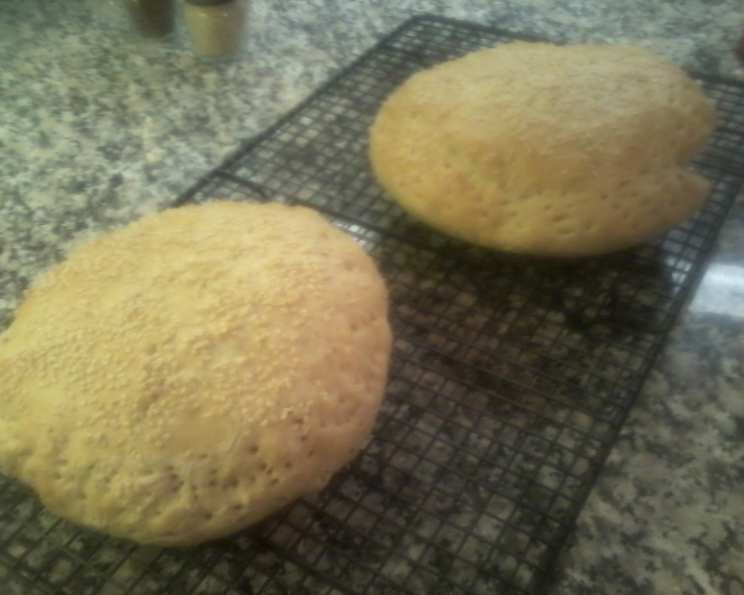
The Scent of Home: Baking Moroccan Anise Bread
The aroma of anise has always transported me back to my grandmother’s sun-drenched kitchen. She wasn’t Moroccan, but she had a well-worn cookbook filled with recipes from around the world. This particular anise bread recipe, adapted from her notes, brings back floods of memories of kneading dough at her side, the sweet, licorice-like scent filling the air as we chatted about everything and nothing. That warm, comforting feeling is baked into every loaf.
Recipe Overview
- Prep Time: 40 minutes
- Cook Time: 30 minutes
- Total Time: 2 hours 40 minutes
- Yields: 2 loaves
- Serves: 12-16
- Dietary Type: Vegetarian
Ingredients
- 1 tablespoon active dry yeast
- 1 1/3 cups warm water
- 1 teaspoon honey or 1 teaspoon granulated sugar
- 1 tablespoon vegetable oil
- 2 1/2 teaspoons anise seeds
- 2 teaspoons salt
- 4 cups all-purpose flour, unbleached
- 1 egg white
- 3 tablespoons sesame seeds
Equipment Needed
- Large bowl
- Measuring cups and spoons
- Baking sheet
- Wire rack
- Towel or plastic wrap
Instructions
-
Begin by activating the yeast. In a small bowl, dissolve the active dry yeast in 1/4 cup of the warm water. Add the honey (or sugar) and let stand until foamy, about 5 to 10 minutes. This step ensures the yeast is alive and ready to leaven the bread.
-
In a large bowl, combine the remaining warm water, vegetable oil, anise seeds, and salt. Add 2 cups of the unbleached all-purpose flour.
-
Gradually stir in the remaining flour until the mixture holds together and forms a shaggy dough. You might not need all 4 cups, or you might need a little more depending on the humidity and the flour’s absorption rate. The dough should be slightly tacky but not sticky.
-
Turn the dough out onto a lightly floured surface. Knead the dough until it is smooth and elastic, about 10 minutes. Proper kneading is crucial for developing gluten, which gives the bread its structure. If the dough is too sticky, add a little more flour, a tablespoon at a time.
-
Place the kneaded dough in a greased bowl, turning to coat all sides. This prevents the dough from drying out as it rises.
-
Cover the bowl loosely with a towel or plastic wrap. Let rise at room temperature until doubled in bulk, about 1 1/2 hours. The rising time will vary depending on the temperature of your kitchen.
-
Punch down the risen dough to release the trapped air. This process redistributes the yeast and creates a more even texture.
-
Divide the dough in half. Shape each piece into a ball. Cover the dough balls and let rest for about 10 minutes. This allows the gluten to relax, making the dough easier to shape.
-
Sprinkle a large baking sheet with cornmeal or fine semolina (or you can grease the baking sheet). This will prevent the bread from sticking and add a subtle texture to the bottom crust.
-
Flatten each dough ball into a 6-inch round. Some cooks flute the outer edge, others leave it plain; it’s your choice.
-
Place the rounds on the prepared baking sheet, cover, and let rest while the oven preheats.
-
Preheat the oven to 375°F (190°C).
-
Pierce the dough around the sides with the tines of a fork or a toothpick. This will prevent the bread from puffing up too much during baking and create a more even surface.
-
Beat the egg white with a tablespoon of water. Brush the tops of the loaves with the egg white mixture. This gives the bread a beautiful shine and helps the sesame seeds adhere.
-
Lightly sprinkle the top of each loaf with the sesame seeds.
-
Bake at 375°F (190°C) until golden brown and hollow-sounding when tapped, about 30 minutes. The baking time may vary depending on your oven. Check the bread after 25 minutes and tent with foil if it is browning too quickly.
-
Transfer to a wire rack to cool completely before slicing and serving.
Expert Tips & Tricks
- For a richer flavor, use olive oil instead of vegetable oil.
- If you don’t have anise seeds, you can substitute fennel seeds or a teaspoon of anise extract. However, the flavor will be slightly different.
- To ensure a crispy crust, place a baking stone in the oven while it preheats.
- If your kitchen is cold, you can speed up the rising time by placing the dough in a warm spot, such as near a radiator or in an oven preheated to 100°F (38°C) and then turned off.
- Don’t over-knead the dough, as this can result in a tough bread.
- For a more intense anise flavor, gently toast the anise seeds in a dry pan before adding them to the dough. This releases their essential oils.
Serving & Storage Suggestions
This Moroccan anise bread is delicious served warm or at room temperature. It pairs perfectly with cheese, olives, and other Mediterranean appetizers. It can also be enjoyed with a cup of mint tea or coffee.
Store the bread in an airtight container at room temperature for up to 3 days. For longer storage, wrap the bread tightly in plastic wrap and freeze for up to 2 months. Thaw the bread at room temperature before serving. You can also reheat the bread in a 350°F (175°C) oven for 5-10 minutes to restore its freshness.
Nutritional Information
| Nutrient | Amount per Serving | % Daily Value |
|---|---|---|
| Calories | 182.5 kcal | N/A |
| Calories from Fat | 25 g | 14% |
| Total Fat | 2.8 g | 4% |
| Saturated Fat | 0.4 g | 1% |
| Cholesterol | 0 mg | 0% |
| Sodium | 394.6 mg | 16% |
| Total Carbohydrate | 33.5 g | 11% |
| Dietary Fiber | 1.7 g | 6% |
| Sugars | 0.6 g | 2% |
| Protein | 5.5 g | 10% |
Note: Nutritional information is an estimate and may vary based on specific ingredients and portion sizes.
Variations & Substitutions
- Gluten-Free: Substitute the all-purpose flour with a gluten-free all-purpose flour blend. You may need to adjust the amount of liquid.
- Whole Wheat: Replace half of the all-purpose flour with whole wheat flour for a nuttier flavor.
- Sweet Anise Bread: Add 1/4 cup of sugar to the dough for a sweeter version.
- Citrus Zest: Add the zest of one orange or lemon to the dough for a bright, citrusy flavor.
- Herbs: Incorporate fresh herbs like rosemary or thyme for a savory twist.
FAQs (Frequently Asked Questions)
Q: Can I use instant yeast instead of active dry yeast?
A: Yes, you can. Use the same amount of instant yeast and add it directly to the dry ingredients. You don’t need to proof it in water first.
Q: Why is my dough not rising?
A: Several factors can affect dough rising. Ensure your yeast is fresh and active, your kitchen is warm enough, and you haven’t added too much salt, which can inhibit yeast activity.
Q: Can I make the dough ahead of time?
A: Yes, you can. After kneading the dough, place it in a greased bowl, cover it tightly, and refrigerate it for up to 24 hours. Let it come to room temperature before shaping and baking.
Q: How do I know when the bread is done?
A: The bread is done when it is golden brown and sounds hollow when tapped on the bottom. An internal temperature of 200-210°F (93-99°C) is also a good indicator.
Q: Can I freeze the baked bread?
A: Yes, you can freeze the baked bread. Wrap it tightly in plastic wrap and then in foil. Freeze for up to 2 months. Thaw at room temperature before serving.
Final Thoughts
This Moroccan Anise Bread is more than just a recipe; it’s an invitation to create a warm, comforting experience in your own kitchen. The delicate anise flavor and the satisfying chew of the crust make it a truly special treat. I encourage you to give this recipe a try, and don’t be afraid to experiment with your own variations. Share your creations and feedback, and let’s spread the joy of homemade bread! Perhaps enjoy it alongside a steaming tagine for a truly authentic Moroccan meal.