
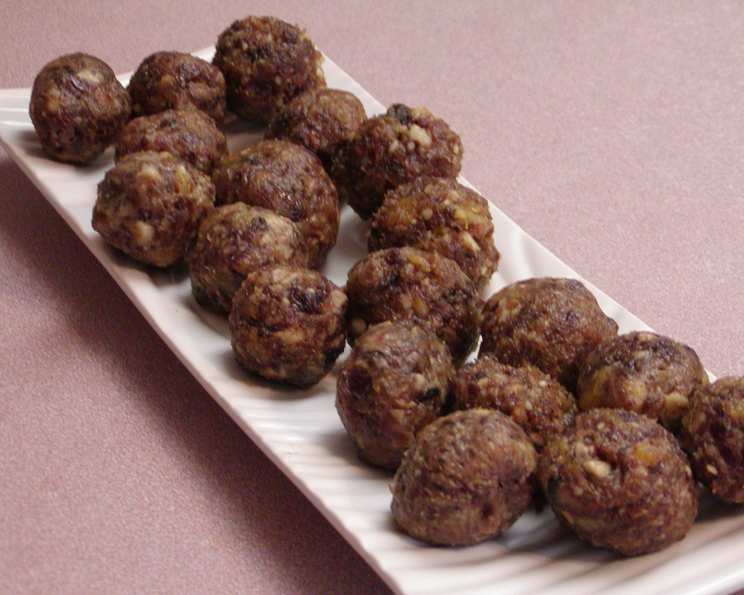
Moroccan Charoset Balls: A Sweet Passover Tradition
Passover in my family was always a vibrant tapestry of flavors and traditions, but there was one particular element that always captured my imagination: charoset. Not just any charoset, but the glistening, date-rich orbs that hailed from my grandmother’s Moroccan heritage. I remember, as a child, eagerly anticipating the moment when those delightful little balls would make their appearance, a sweet counterpoint to the bitter herbs, and a symbol of hope amidst reflection. These Moroccan Charoset Balls, sticky, intensely flavorful, and deeply symbolic, are a taste of my childhood and a connection to a rich culinary heritage.
Recipe Overview
- Prep Time: 15 minutes
- Cook Time: 0 minutes (Excludes refrigeration time)
- Total Time: 15 minutes (Plus 3+ hours refrigeration)
- Servings: Varies
- Yield: 3 1/2 cups
- Dietary Type: Vegan, Gluten-Free, Kosher for Passover
Ingredients
- 2 cups pitted dates
- 1/2 cup golden raisins
- 1/2 cup dark raisins
- 1/2 cup walnuts
- 1-2 tablespoons sweet red Passover wine (Zinfandel is a good substitute)
Equipment Needed
- Food processor
- Wax paper
- Baking sheet
- Measuring cups and spoons
Instructions
- Begin by preparing your ingredients. Ensure the dates are pitted and ready for processing.
- In the bowl of a food processor, combine the pitted dates, golden raisins, dark raisins, and walnuts.
- Process the ingredients until the mixture is finely chopped and begins to stick together. This may take a few minutes, so be patient and scrape down the sides of the bowl as needed. You want a paste-like consistency.
- With the food processor running on low speed, gradually add the sweet red wine, one tablespoon at a time. Process until the mixture becomes sticky and holds together well. The amount of wine needed may vary depending on the moisture content of your dates and raisins, so add only enough to achieve the desired consistency. Be careful not to add too much, or the mixture will be too wet.
- Line a baking sheet with wax paper.
- Using a rounded teaspoon, scoop out portions of the charoset mixture.
- With moistened hands (to prevent sticking), roll each mound into a small, hazelnut-sized ball. The moisture will help the charoset form a smooth, even shape.
- Place the formed balls onto the prepared wax paper-lined baking sheet, spacing them slightly apart.
- Refrigerate the charoset balls for at least 3 hours, or preferably overnight. This allows them to firm up and the flavors to meld together beautifully.
Expert Tips & Tricks
- Adjust sweetness: Taste the charoset mixture before rolling into balls. If it’s not sweet enough for your preference, add a tiny drizzle of honey or maple syrup (if not keeping strictly kosher for Passover). Alternatively, add a few more dates.
- Nut Variety: Feel free to experiment with other nuts besides walnuts, such as almonds, pecans, or pistachios. Toasting the nuts beforehand will enhance their flavor.
- Wine Choice: While a traditional sweet red Passover wine is ideal, finding a good substitute can be tricky. A Zinfandel is often recommended as the closest alternative, but you can also use a non-alcoholic grape juice or even a small amount of prune juice for added depth of flavor.
- Texture Control: If the mixture seems too dry and isn’t coming together, add a very small amount of water (a teaspoon at a time) along with the wine.
- Make Ahead: Charoset balls can be made several days in advance and stored in the refrigerator. This is a great way to reduce stress on Passover!
- Prevent Sticking: Keep a small bowl of water nearby while you are rolling the balls. Dip your fingers in the water periodically to prevent the mixture from sticking to your hands.
Serving & Storage Suggestions
These Moroccan Charoset Balls are traditionally served as part of the Passover Seder, scooped up with romaine lettuce to symbolize the mortar used by the Israelites in Egypt. They can also be enjoyed as a sweet treat or a healthy snack any time of year.
Store leftover charoset balls in an airtight container in the refrigerator for up to a week. For longer storage, they can be frozen for up to a month. Thaw in the refrigerator before serving. They do not need to be reheated.
Nutritional Information
(Note: Nutritional information is an estimate and can vary based on specific ingredients used.)
| Nutrient | Amount per Serving | % Daily Value |
|---|---|---|
| Calories | 120 kcal | 6% |
| Total Fat | 5g | 8% |
| Saturated Fat | 0.5g | 3% |
| Cholesterol | 0mg | 0% |
| Sodium | 2mg | 0% |
| Total Carbohydrate | 20g | 7% |
| Dietary Fiber | 3g | 12% |
| Sugars | 15g | |
| Protein | 1g | 2% |
Variations & Substitutions
- Spice it up: Add a pinch of cinnamon, ginger, or cardamom to the mixture for a warm, aromatic flavor.
- Citrus Zest: Incorporate the zest of an orange or lemon for a bright, refreshing twist.
- Date Variety: Experiment with different types of dates, such as Medjool or Deglet Noor, to create unique flavor profiles.
- Nut-Free Version: Substitute the walnuts with sunflower seeds or pumpkin seeds for a nut-free option.
- Add Dried Apricots: Incorporate finely diced dried apricots for a chewy texture and tangy flavor.
FAQs (Frequently Asked Questions)
Q: Can I make these charoset balls without a food processor?
A: While a food processor makes the process easier, you can finely chop the ingredients by hand. Ensure everything is minced very finely for the best texture.
Q: How do I prevent the charoset balls from sticking to my hands when rolling them?
A: The key is to keep your hands slightly damp with water. Periodically dip your fingers in a small bowl of water while rolling.
Q: Can I use a different type of wine?
A: A sweet red Passover wine is traditional, but if you can’t find it, a Zinfandel is a good substitute. You can also use non-alcoholic grape juice or prune juice.
Q: How long can I store these charoset balls?
A: They can be stored in an airtight container in the refrigerator for up to a week or frozen for up to a month.
Q: Can I add other dried fruits to this recipe?
A: Absolutely! Dried apricots, cranberries, or figs can add a wonderful depth of flavor and texture to the charoset.
Final Thoughts
These Moroccan Charoset Balls are more than just a recipe; they’re a taste of tradition, a connection to family, and a sweet reminder of hope and resilience. I encourage you to try this recipe and experience the unique flavors and textures for yourself. Feel free to experiment with variations and personalize it to your own taste preferences. Share your creations with family and friends, and let the spirit of Passover fill your home with warmth and joy. I’d love to hear your feedback and any variations you try! B’tayavon!