
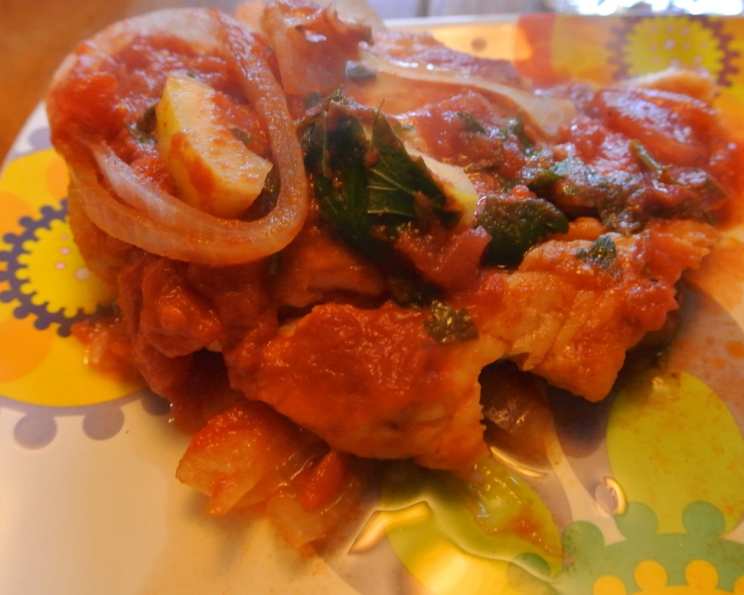
Moroccan Fish With Lemon and Tomatoes
The scent of citrus and spice instantly transports me back to a small, sun-drenched riad in Marrakech. I remember sitting in the courtyard, the air thick with the aroma of tagines bubbling away, as a local cook taught me the secrets to this vibrant dish. The bright flavors of lemon, tomatoes, and fragrant spices danced on my tongue, a culinary symphony that I’ve been chasing ever since. This recipe captures the essence of that experience, bringing the warmth and exoticism of Morocco to your own kitchen.
Recipe Overview
- Prep Time: 40 minutes
- Cook Time: 40 minutes
- Total Time: 1 hour 20 minutes
- Servings: 4
- Dietary Type: Pescatarian, Gluten-Free, Dairy-Free
Ingredients
- Cooking spray
- 2 tablespoons finely chopped whole lemons
- 1 tablespoon water
- 1 tablespoon olive oil, divided
- 1 teaspoon sugar
- 1/8 teaspoon saffron threads, crushed
- 4 tablespoons chopped fresh flat leaf parsley
- 4 tablespoons chopped fresh cilantro
- 3/4 teaspoon salt
- 3/4 teaspoon sweet paprika
- 1/2 teaspoon cumin
- 1/4 teaspoon black pepper
- 12 pitted green olives, thinly sliced
- 3 cloves garlic, minced
- 1 1/2 lbs halibut (or other firm white fish, such as bass or mahimahi), cut into 4 equal portions
- 2 cups thinly sliced onions
- 1 tablespoon extra virgin olive oil
- 4 cups tomatoes, coarsely seeded and chopped
- Cilantro leaves, for garnish (optional)
Equipment Needed
- Small nonstick skillet
- Small microwave-safe bowl
- Large zip-lock plastic bag
- 13″x9″ baking dish
- Aluminum foil
Instructions
-
Begin by preparing the candied lemon. Heat a small nonstick skillet over medium-high heat and coat it with cooking spray. Add the 2 tablespoons of finely chopped whole lemons, 1 tablespoon of water, ½ teaspoon of olive oil, and 1 teaspoon of sugar to the skillet. Cook for approximately 3 minutes, stirring frequently, until the water evaporates and the mixture just begins to brown. This process concentrates the lemon flavor and adds a touch of sweetness. Set the mixture aside to cool slightly.
-
Next, infuse the saffron. In a small microwave-safe bowl, add the remaining 2 ½ teaspoons of olive oil. Microwave on High for 10 seconds, just until the oil is heated through – be careful not to let it burn. Add the 1/8 teaspoon of crushed saffron threads to the heated oil and let it stand for 10 minutes. This allows the saffron to bloom, releasing its vibrant color and delicate aroma into the oil.
-
Prepare the marinade. In a large zip-lock plastic bag, combine the candied lemon mixture, the saffron-infused oil, 4 tablespoons of chopped fresh flat leaf parsley, 4 tablespoons of chopped fresh cilantro, ¾ teaspoon of salt, ¾ teaspoon of sweet paprika, ½ teaspoon of cumin, ¼ teaspoon of black pepper, 12 thinly sliced pitted green olives, and 3 minced cloves of garlic. Mix all the ingredients well, ensuring the spices are evenly distributed.
-
Marinate the fish. Add the 1 ½ lbs of halibut (or other firm white fish) to the zip-lock bag with the marinade. Seal the bag tightly, removing as much air as possible. Gently massage the marinade into the fish, coating it thoroughly. Marinate the fish in the refrigerator for 30 minutes, turning the bag occasionally to ensure even flavor distribution. This step is crucial, as it allows the fish to absorb the complex flavors of the Moroccan spices.
-
Preheat your oven to 400°F (200°C). Make sure the rack is in the center position.
-
While the fish is marinating and the oven is preheating, prepare the onion and tomato base. Sauté the 2 cups of thinly sliced onions in the 1 tablespoon of extra virgin olive oil in a separate pan over medium heat for a few minutes until they start to soften and become translucent. This step brings out the natural sweetness of the onions, creating a flavorful foundation for the dish.
-
Assemble the dish. Coat a 13″x9″ baking dish with cooking spray. Layer 1 cup of the sautéed onion slices and 2 cups of coarsely seeded and chopped tomatoes on the bottom of the baking dish. Remove the fish from the marinade, reserving the remaining marinade in the bag. Place the fish fillets on top of the tomato and onion layer. Pour the reserved marinade from the bag evenly over the fish. Cover the fish with the remaining 2 cups of tomatoes and the remaining 1 cup of onion.
-
Bake. Cover the baking dish tightly with aluminum foil. Bake at 400°F (200°C) for 40 minutes, or until the fish flakes easily when tested with a fork. The foil helps to steam the fish and vegetables, ensuring they cook evenly and remain moist.
-
Serve. Remove the baking dish from the oven. Carefully move the fish and vegetables to a serving platter. Drizzle any remaining liquid from the baking dish over the fish and vegetables. Garnish with fresh cilantro leaves, if desired. Serve immediately and enjoy the taste of Morocco!
Expert Tips & Tricks
- For a richer flavor, consider using preserved lemons instead of fresh lemons in the candied lemon mixture. Be sure to rinse the preserved lemons thoroughly to remove excess salt.
- If you don’t have saffron, you can substitute a pinch of turmeric for a similar color and subtle flavor.
- Feel free to add other vegetables to the dish, such as bell peppers, zucchini, or carrots.
- If the liquid in the baking dish seems too thin after baking, you can thicken it by simmering it in a saucepan over medium heat until it reaches your desired consistency.
- To ensure even cooking, make sure the fish fillets are of a similar thickness.
Serving & Storage Suggestions
This Moroccan fish with lemon and tomatoes is best served immediately while it’s hot and flavorful. It pairs perfectly with fluffy basmati rice or couscous to soak up the delicious sauce. A side of crusty bread is also a great addition for dipping.
Leftovers can be stored in an airtight container in the refrigerator for up to 2 days. To reheat, gently warm the fish and vegetables in a skillet over low heat or in the microwave. Avoid overheating, as this can dry out the fish. Reheating in the oven at a low temperature is also an option. Freezing is not recommended as it will affect the texture of the fish and vegetables.
Nutritional Information
| Nutrient | Amount per Serving | % Daily Value |
|---|---|---|
| Calories | 302 kcal | N/A |
| Total Fat | 10.9g | 16% |
| Saturated Fat | 1.7g | 8% |
| Cholesterol | 83.4mg | 27% |
| Sodium | 694mg | 28% |
| Total Carbohydrate | 17.3g | 5% |
| Dietary Fiber | 4.2g | 16% |
| Sugars | 9.3g | N/A |
| Protein | 34.5g | 69% |
Variations & Substitutions
- Fish: If halibut isn’t available, try cod, sea bass, or snapper. Adjust cooking time slightly depending on the thickness of the fish.
- Spice Level: For a spicier dish, add a pinch of cayenne pepper or a chopped chili pepper to the marinade.
- Herbs: Experiment with different herbs, such as mint or oregano, to customize the flavor profile.
- Vegetarian: Substitute the fish with chickpeas or hearty vegetables like eggplant for a vegetarian version. Consider adding a drizzle of tahini for richness.
FAQs (Frequently Asked Questions)
Q: Can I prepare the marinade in advance?
A: Absolutely! The marinade can be made up to 24 hours in advance and stored in the refrigerator. This allows the flavors to meld together even further.
Q: How do I know when the fish is cooked through?
A: The fish is done when it flakes easily with a fork. The internal temperature should reach 145°F (63°C).
Q: Can I use canned tomatoes instead of fresh?
A: Yes, canned diced tomatoes can be used as a substitute. Drain off any excess liquid before adding them to the dish.
Q: What is saffron, and why is it used in this recipe?
A: Saffron is a spice derived from the Crocus sativus flower. It adds a unique flavor, aroma, and vibrant color to the dish.
Q: Can I grill the fish instead of baking it?
A: Yes, you can grill the fish. Marinate as directed, then grill over medium heat for about 5-7 minutes per side, or until cooked through.
Final Thoughts
This Moroccan Fish with Lemon and Tomatoes is a vibrant and flavorful dish that’s sure to impress. Don’t be intimidated by the list of ingredients – the preparation is surprisingly simple, and the results are well worth the effort. I encourage you to try this recipe and experience the taste of Morocco in your own kitchen. Feel free to experiment with different variations and substitutions to make it your own. Serve it with a glass of crisp white wine and enjoy! I’d love to hear your feedback, so please share your thoughts and experiences after you’ve tried it.