
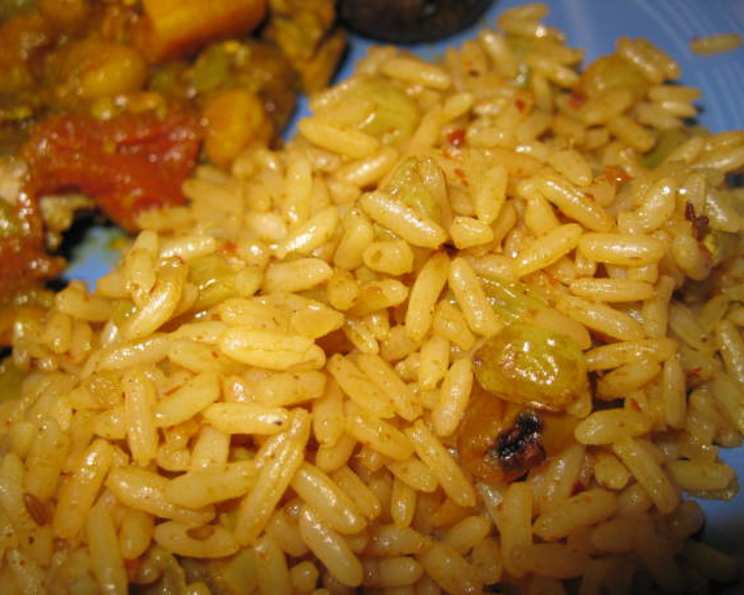
Moroccan Rice Pilaf: Aromatic Spice and Golden Grains
The first time I tasted a true pilaf, I was mesmerized. It was at a small family restaurant in Marrakech, Morocco. The fragrant steam rising from the mound of golden rice hinted at the symphony of flavors within. Saffron, cumin, and a touch of cinnamon danced on my tongue, weaving a warm, comforting tapestry that spoke of ancient traditions and sun-drenched spices. That single bite sparked a lifelong fascination with this versatile dish, inspiring me to experiment with flavors and textures to create my own versions, each a unique culinary journey.
Recipe Overview
- Prep Time: 10 minutes
- Cook Time: 25 minutes
- Total Time: 35 minutes
- Servings: 6
- Dietary Type: Gluten-Free
Ingredients
- 1 teaspoon unsalted butter
- 1/2 cup finely chopped onion
- 1 teaspoon paprika
- 1 teaspoon cumin
- 1/2 teaspoon cayenne pepper
- 1 cup white basmati rice
- 1 1/2 cups water or 1 1/2 cups vegetable stock
- Fresh ground black pepper, to taste
- 1/4 cup sliced almonds
- 1/4 cup raisins
Equipment Needed
- Small ovenproof pot with lid
- Measuring cups and spoons
- Stirring spoon
- Fork
Instructions
-
Preheat your oven to 350°F (175°C). This ensures a consistent cooking temperature for the rice.
-
In a small ovenproof pot, melt the butter over medium-low heat. Be careful not to burn the butter, as this will impart a bitter flavor to the pilaf.
-
Add the finely chopped onion to the melted butter and stir well to coat.
-
Cook the onions for 3-4 minutes, or until they become translucent but are not browned. Stir occasionally to prevent sticking. The goal is to soften the onions and release their natural sweetness.
-
Add the aromatic spices: cumin, cayenne pepper, and paprika. The paprika provides a beautiful color and a subtle sweetness, while the cumin adds an earthy warmth. The cayenne pepper introduces a gentle heat, so adjust the amount to your preference.
-
Stir well to ensure that the spices are evenly distributed and fragrant, coating the onions.
-
Add the white basmati rice to the pot. Basmati rice is ideal for pilaf because its grains remain separate and fluffy when cooked.
-
Stir the rice continuously for 3-4 minutes, ensuring that each grain is evenly coated with the spiced butter mixture. This step is crucial as it helps to toast the rice slightly, enhancing its flavor and preventing it from becoming mushy.
-
Pour in the water or vegetable stock. Using vegetable stock will add an extra layer of flavor to the pilaf, making it richer and more complex.
-
Add the raisins, distributing them evenly throughout the rice mixture.
-
Bring the mixture to a boil over high heat. Watch carefully, as it can quickly boil over.
-
Once the stock comes to a rolling boil, immediately cover the pot tightly with a lid. It’s important to have a tight-fitting lid to trap the steam and cook the rice evenly.
-
Transfer the covered pot to the preheated oven and let the pilaf cook undisturbed for 18 minutes. Avoid lifting the lid during cooking, as this will release steam and affect the cooking time and texture of the rice.
-
After 18 minutes, carefully remove the pot from the oven.
-
Season the pilaf with salt and freshly ground black pepper to taste.
-
Gently fold in the sliced almonds, incorporating them evenly throughout the rice. The almonds add a delightful crunch and nutty flavor to the pilaf.
-
Fluff the pilaf gently with a fork to separate the grains. This will prevent the rice from clumping together and create a light and airy texture.
-
Serve immediately and enjoy!
Expert Tips & Tricks
- Rice Washing: Rinsing the basmati rice before cooking removes excess starch, resulting in a fluffier pilaf. Rinse under cold water until the water runs clear.
- Toasting Spices: Briefly toasting the cumin, cayenne, and paprika in a dry pan before adding them to the butter will intensify their flavors. Be careful not to burn them!
- Liquid Ratio: The ideal water-to-rice ratio is crucial for perfect pilaf. Too much water results in mushy rice, while too little results in dry rice.
- Nut Variations: Try using different nuts, such as pistachios or walnuts, for a unique twist. Toast the nuts lightly before adding them to the pilaf for enhanced flavor.
- Dried Fruit Options: Experiment with other dried fruits, such as apricots, cranberries, or chopped dates, for variations in sweetness and texture.
Serving & Storage Suggestions
This Moroccan Rice Pilaf makes an excellent side dish for grilled meats, roasted vegetables, or tagines. It can also be served as a light vegetarian main course. Garnish with fresh herbs like cilantro or parsley for added flavor and visual appeal.
Leftovers can be stored in an airtight container in the refrigerator for up to 3 days. To reheat, add a tablespoon or two of water or broth to the pilaf and microwave until heated through. You can also reheat it in a covered saucepan over low heat, stirring occasionally. For longer storage, the pilaf can be frozen for up to 2 months. Thaw it overnight in the refrigerator before reheating.
Nutritional Information
| Nutrient | Amount per Serving | % Daily Value |
|---|---|---|
| Calories | 168.4 kcal | N/A |
| Calories from Fat | 33g | 20% |
| Total Fat | 3.7 g | 5% |
| Saturated Fat | 0.8 g | 3% |
| Cholesterol | 1.7 mg | 0% |
| Sodium | 5.3 mg | 0% |
| Total Carbohydrate | 31.1 g | 10% |
| Dietary Fiber | 2.1 g | 8% |
| Sugars | 4.7 g | 18% |
| Protein | 3.7 g | 7% |
Variations & Substitutions
- Vegan: Ensure you use vegetable stock instead of water, as some stocks may contain animal products.
- Spice Level: Adjust the amount of cayenne pepper to control the heat. For a milder pilaf, omit the cayenne pepper altogether. For a spicier version, add a pinch of red pepper flakes.
- Herbs: Add fresh herbs like chopped cilantro, parsley, or mint to the pilaf for added freshness and flavor.
- Vegetables: Incorporate finely diced vegetables, such as carrots, peas, or bell peppers, for a heartier pilaf. Sauté the vegetables with the onions before adding the spices and rice.
- Citrus Zest: Add the zest of an orange or lemon for a bright, aromatic touch.
FAQs (Frequently Asked Questions)
Q: Can I use brown rice instead of basmati rice?
A: Yes, you can, but you’ll need to adjust the cooking time and liquid amount. Brown rice typically requires more liquid and a longer cooking time. Check the package instructions for the specific brown rice you’re using.
Q: Can I make this pilaf in a rice cooker?
A: While traditionally made in the oven, you can adapt this recipe for a rice cooker. Follow the manufacturer’s instructions for rice pilaf, using the same ingredients and ratios as the recipe.
Q: What if I don’t have an ovenproof pot?
A: You can start the recipe in a skillet on the stovetop, then transfer the rice mixture to a baking dish covered with foil before placing it in the oven.
Q: Can I add protein to make this a complete meal?
A: Absolutely! Cooked chickpeas, lentils, or diced chicken or lamb would be delicious additions. Add them after the pilaf is cooked and fluffed.
Q: How do I prevent the rice from sticking to the bottom of the pot?
A: Using a heavy-bottomed pot and ensuring the rice is well-coated with butter and spices before adding the liquid will help prevent sticking. Avoid lifting the lid during cooking.
Final Thoughts
This Moroccan Rice Pilaf is a culinary adventure waiting to unfold in your kitchen. The vibrant spices, fluffy rice, and sweet raisins create a symphony of flavors and textures that will transport you to the bustling markets of Marrakech. I encourage you to try this recipe, adapt it to your personal preferences, and share the warmth and flavor of this exquisite dish with your loved ones. Don’t hesitate to experiment with different spices, dried fruits, and nuts to create your own signature pilaf. Enjoy!