
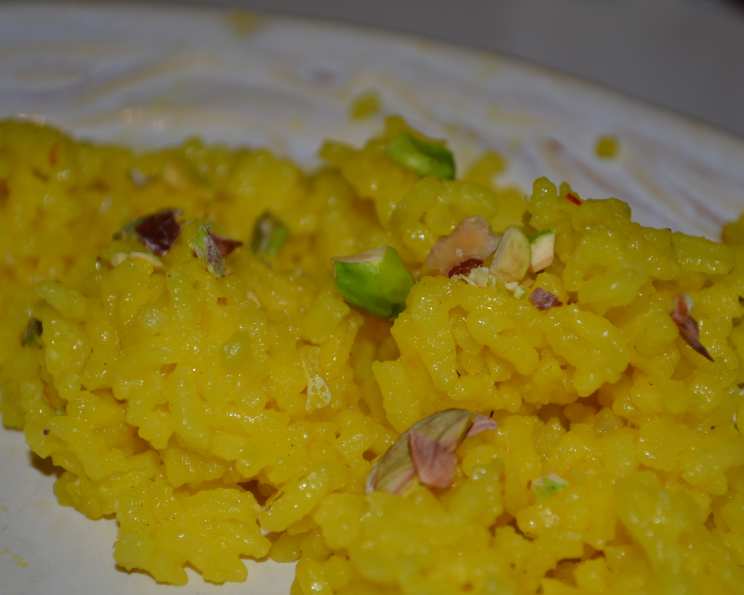
Moroccan Saffron Rice: Aromatic Perfection
The first time I encountered saffron rice was not in Morocco, but in a tiny Persian restaurant tucked away in my hometown. The aroma alone captivated me – a delicate, floral scent with earthy undertones that promised something truly special. Then, the first bite: the perfectly cooked grains, infused with that golden hue and a subtle sweetness, transported me. I knew instantly I had to learn the secrets of this mesmerizing dish. Over the years, I’ve experimented with different variations, drawing inspiration from Moroccan flavors and techniques, resulting in this recipe that I’m excited to share.
Recipe Overview
- Prep Time: 25 minutes
- Cook Time: 22 minutes
- Total Time: 47 minutes
- Servings: 4
- Dietary Type: Gluten-Free
Ingredients
- 2 1/2 cups uncooked rice
- 3 3/4 cups water
- 1/2 teaspoon saffron threads, crushed
- 2 tablespoons olive oil
- 1/2 teaspoon salt
- 1 1/2 tablespoons butter
- 2 ounces pistachios, shelled and coarsely chopped (optional)
Equipment Needed
- Fine-mesh sieve
- Heavy-bottomed saucepan with a tight-fitting lid
Instructions
-
Begin by thoroughly washing the rice in a fine-mesh sieve. Rinse under cold running water until the water runs clear. This step removes excess starch, preventing the rice from becoming sticky. Once washed, drain the rice well and set it aside.
-
In a separate pot or kettle, bring the water to a boil. Once boiling, remove it from the heat and carefully add the crushed saffron threads. Allow the saffron to infuse the water for 20 minutes. This steeping process extracts the vibrant color and flavor from the saffron, creating the aromatic base for the rice.
-
In a heavy-bottomed saucepan, heat the olive oil over medium heat. Add the drained rice to the saucepan and stir well, ensuring that all the grains are evenly coated in the oil. This helps prevent sticking and promotes even cooking.
-
Pour the saffron-infused water into the saucepan with the rice. Add the salt and stir well to combine all the ingredients.
-
Bring the mixture to a boil. Once boiling, reduce the heat to low, cover the saucepan with a tight-fitting lid, and simmer for 10-12 minutes, or until all the water is absorbed. It is crucial to maintain a low simmer and avoid lifting the lid during this time to ensure even steaming.
-
After the simmering time, turn off the heat and let the rice stand, covered, for at least 10 minutes. This allows the residual steam to fully cook the rice and helps to prevent sticking. Resist the urge to peek!
-
Finally, add the butter to the cooked rice. Using a fork, fluff the rice lightly to distribute the butter and separate the grains.
-
Serve the Moroccan Saffron Rice immediately, garnished with coarsely chopped pistachios, if desired.
Expert Tips & Tricks
- Saffron Quality: The quality of saffron greatly impacts the flavor and color of the rice. Use high-quality saffron threads for the best results. Look for deep red threads with a strong aroma.
- Rice Choice: While this recipe works well with long-grain rice, basmati rice is an excellent option for its fluffy texture and fragrant aroma, complementing the saffron beautifully.
- Toasting the Rice: For a nuttier flavor, toast the rice in the olive oil for a few minutes before adding the saffron water. Be careful not to burn the rice.
- Don’t Peek! Resist the urge to lift the lid while the rice is simmering. Lifting the lid releases steam and can result in unevenly cooked rice.
- Make-Ahead: The saffron-infused water can be prepared ahead of time and stored in the refrigerator for up to 24 hours. This can save time during the final preparation.
- Even Simmering: Ensure your stovetop provides a consistent low simmer to avoid burning the rice at the bottom of the pan. If your stove runs hot, consider using a heat diffuser.
Serving & Storage Suggestions
Moroccan Saffron Rice is a versatile side dish that pairs well with a variety of dishes. Serve it alongside grilled meats, roasted vegetables, tagines, or as a base for a flavorful bowl. For a Moroccan-inspired meal, pair it with lamb tagine or grilled chicken with preserved lemons.
Leftover saffron rice can be stored in an airtight container in the refrigerator for up to 3 days. To reheat, sprinkle a little water over the rice and microwave on medium heat until warmed through, or gently steam it in a saucepan. Freezing is not recommended, as it can affect the texture of the rice.
Nutritional Information
| Nutrient | Amount per Serving | % Daily Value |
|---|---|---|
| Calories | 410 kcal | 21% |
| Total Fat | 9g | 14% |
| Saturated Fat | 3g | 15% |
| Cholesterol | 8mg | 3% |
| Sodium | 300mg | 13% |
| Total Carbohydrate | 72g | 24% |
| Dietary Fiber | 2g | 8% |
| Sugars | 1g | 2% |
| Protein | 7g | 14% |
Variations & Substitutions
- Vegetarian/Vegan: This recipe is naturally vegetarian and can easily be made vegan by using a plant-based butter substitute.
- Nuts: If you’re not a fan of pistachios, you can substitute them with slivered almonds, toasted pine nuts, or chopped walnuts.
- Herbs: Add fresh herbs like chopped parsley, cilantro, or mint for an extra layer of flavor.
- Spices: Experiment with other Moroccan spices such as cumin, coriander, or turmeric for a different flavor profile. A pinch of cinnamon can also add a warm, subtle sweetness.
- Dried Fruit: For a touch of sweetness and chewy texture, add some dried currants, raisins, or apricots to the rice during the last few minutes of cooking.
- Broth: Substitute the water with chicken or vegetable broth for a richer, more savory flavor.
FAQs (Frequently Asked Questions)
Q: Can I use regular saffron powder instead of saffron threads?
A: While saffron powder can be used, saffron threads are highly recommended for their superior flavor and color. If using powder, start with a very small amount (about 1/4 teaspoon) and adjust to taste.
Q: My rice is sticking to the bottom of the pan. What am I doing wrong?
A: This usually indicates that the heat is too high or that the saucepan is not heavy-bottomed enough. Make sure to use a heavy-bottomed saucepan and maintain a low simmer throughout the cooking process.
Q: How can I prevent the rice from becoming mushy?
A: Rinsing the rice thoroughly before cooking is essential to remove excess starch. Also, avoid overcooking the rice and let it stand, covered, for the recommended time to allow the residual steam to fully cook the grains.
Q: Can I add vegetables to the rice?
A: Absolutely! You can add chopped vegetables like carrots, peas, or bell peppers to the rice during the last few minutes of cooking.
Q: What type of rice works best for this recipe?
A: Long-grain rice, such as basmati or jasmine rice, is ideal for this recipe. These types of rice have a naturally fluffy texture and a delicate aroma that complements the saffron beautifully.
Final Thoughts
Moroccan Saffron Rice is more than just a side dish; it’s an experience. The combination of fragrant saffron, perfectly cooked rice, and optional crunchy pistachios creates a symphony of flavors and textures that will transport you to the heart of Morocco. Don’t be intimidated by the use of saffron – it’s a rewarding ingredient that elevates this simple dish to something truly special. I encourage you to try this recipe and make it your own by experimenting with different variations and spices. Share your creations and feedback; I’d love to hear how you’ve personalized this delicious dish!