
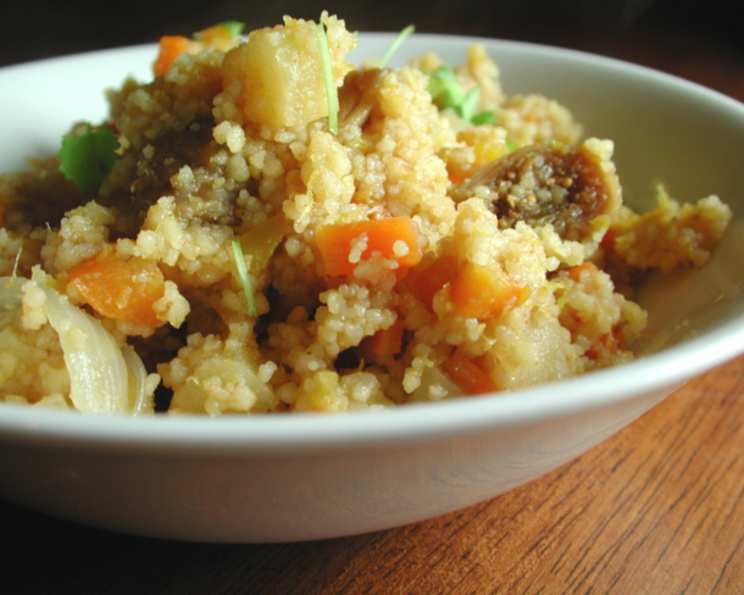
Moroccan Vegetables and Cous Cous: A Journey of Flavors
The first time I truly understood the magic of Moroccan cuisine was during a backpacking trip through the Atlas Mountains. After a long day of hiking, our guide, a Berber woman named Fatima, prepared a simple yet extraordinary tagine of vegetables and couscous over an open fire. The aroma alone, a heady blend of spices and earthy vegetables, was intoxicating. But the taste, that was an awakening. The sweetness of the butternut squash, the subtle heat of the cumin, the bright freshness of the coriander – it all came together in perfect harmony. That memory, and that tagine, has stayed with me, inspiring countless variations in my own kitchen. This recipe is my humble attempt to recreate that experience, sharing the warmth and vibrancy of Moroccan flavors with you.
Recipe Overview
- Prep Time: 15 minutes
- Cook Time: 25 minutes
- Total Time: 40 minutes
- Servings: 4
- Dietary Type: Vegan
Ingredients
- 2 carrots, in chunky cubes
- 2 parsnips, in chunky cubes, core removed
- 450g butternut squash, in chunky cubes
- ½ onion, divided into leaves
- 3 tablespoons olive oil
- 1 vegetable stock cube
- 200g couscous
- 125g dried figs, halved
- ½ teaspoon ground cumin
- ½ teaspoon paprika
- ¼ teaspoon coriander
- 5 coriander leaves (to garnish, to taste)
Ingredient Notes:
- Feel free to substitute other root vegetables based on availability. Sweet potatoes or turnips would work well.
- For a richer flavor, use a high-quality extra virgin olive oil.
- If you prefer fresh figs, adjust the quantity accordingly, as they are less concentrated in flavor.
Equipment Needed
- Large frying pan or skillet with lid
- Measuring jug
- Spoon or spatula
Instructions
-
Begin by preparing your vegetables. Ensure the carrots, parsnips, and butternut squash are cut into roughly equal-sized chunks to ensure even cooking. Divide the onion into leaves.
-
In a large frying pan or skillet, heat the olive oil over a moderate heat. Add the prepared carrots, parsnips, butternut squash, and onion. Fry the vegetables for approximately 5 minutes, stirring occasionally, until they begin to soften slightly.
-
Reduce the heat to low, cover the pan with a lid, and cook for a further 10 minutes. This allows the vegetables to steam gently and become tender without burning.
-
While the vegetables are cooking, prepare the couscous. Dissolve the vegetable stock cube in 350ml of boiling water. Pour the hot stock over the couscous in a bowl, then cover the bowl and leave to stand for 5 minutes. The couscous will absorb the liquid and become light and fluffy.
-
Add the ground cumin, paprika, and ground coriander to the vegetables in the pan. Also, add the halved dried figs and season with salt and pepper to taste. Pour 150ml of boiling water into the pan.
-
Simmer the vegetable mixture, uncovered, for approximately 5 minutes, allowing the flavors to meld together and the sauce to thicken slightly.
-
Before serving, stir the coriander leaves through the cooked couscous, fluffing it up with a fork.
-
Serve the flavorful Moroccan vegetables over a bed of fragrant couscous. Garnish with extra coriander leaves, if desired.
Expert Tips & Tricks
- For a deeper, more complex flavor, consider toasting the spices (cumin, paprika, coriander) in a dry pan for a minute or two before adding them to the vegetables. This will release their essential oils and enhance their aroma.
- To save time, you can use pre-cut butternut squash.
- If you find the sauce is too thin, you can thicken it by mixing a teaspoon of cornstarch with a tablespoon of cold water and stirring it into the simmering vegetables.
- To add a touch of acidity, squeeze a lemon wedge over the vegetables just before serving.
Serving & Storage Suggestions
Serve the Moroccan vegetables and couscous immediately while hot. Garnish with extra fresh coriander leaves for a vibrant presentation. This dish pairs well with a dollop of vegan yogurt or a sprinkle of toasted almonds for added texture and flavor.
Leftovers can be stored in an airtight container in the refrigerator for up to 3 days. To reheat, gently warm the vegetables and couscous in a pan over low heat, adding a splash of water or vegetable broth if needed to prevent them from drying out. You can also reheat them in the microwave, but be careful not to overcook them. Reheating is best done only once, as the texture and flavor may deteriorate with repeated heating. Freezing is not recommended, as the vegetables can become mushy upon thawing.
Nutritional Information
| Nutrient | Amount per Serving | % Daily Value |
|---|---|---|
| Calories | 406.8 kcal | N/A |
| Calories from Fat | 98 g | 24% |
| Total Fat | 11 g | 16% |
| Saturated Fat | 1.5 g | 7% |
| Cholesterol | 0 mg | 0% |
| Sodium | 35.6 mg | 1% |
| Total Carbohydrate | 71.4 g | 23% |
| Dietary Fiber | 8.3 g | 33% |
| Sugars | 15.8 g | 63% |
| Protein | 8.9 g | 17% |
Nutritional information is an estimate and can vary based on specific ingredients and portion sizes.
Variations & Substitutions
- Gluten-Free: Use gluten-free couscous alternatives like quinoa or millet.
- Spicy: Add a pinch of cayenne pepper or a chopped chili to the vegetables for a spicy kick.
- Sweetness: For extra sweetness, add a drizzle of honey or maple syrup at the end of cooking (though this would make it non-vegan).
- Protein Boost: Add chickpeas or lentils to the vegetable mixture for an extra dose of protein.
- Seasonal Vegetables: Adapt the recipe to use seasonal vegetables. In the summer, courgettes, green beans, and tomatoes would be excellent additions. In the winter, try adding roasted root vegetables like beetroot or sweet potatoes.
FAQs (Frequently Asked Questions)
Q: Can I use different types of dried fruit?
A: Absolutely! Dates, apricots, or raisins would all be delicious substitutes for the figs, adding different nuances of sweetness.
Q: How can I make this dish more fragrant?
A: A pinch of saffron threads added to the boiling water for the couscous will impart a beautiful color and aroma. Orange blossom water can also be added at the end for a subtle floral note.
Q: Can I prepare the vegetables ahead of time?
A: Yes, you can chop the vegetables and store them in an airtight container in the refrigerator for up to 24 hours. This will save you time when you’re ready to cook.
Q: Is it possible to make this dish without a stock cube?
A: Yes, you can use homemade vegetable stock or water with a dash of soy sauce and nutritional yeast for added umami flavor.
Q: What’s the best way to fluff the couscous?
A: After it has stood for 5 minutes, use a fork to gently separate the grains. Avoid over-mixing, as this can make the couscous sticky.
Final Thoughts
I hope this Moroccan vegetable and couscous recipe transports you, even if just for a moment, to the sun-drenched landscapes and vibrant marketplaces of Morocco. Don’t be afraid to experiment with different vegetables and spices to create your own unique version of this classic dish. Most importantly, enjoy the process of cooking and sharing this flavorful meal with your loved ones. Let me know what you think, and happy cooking!