
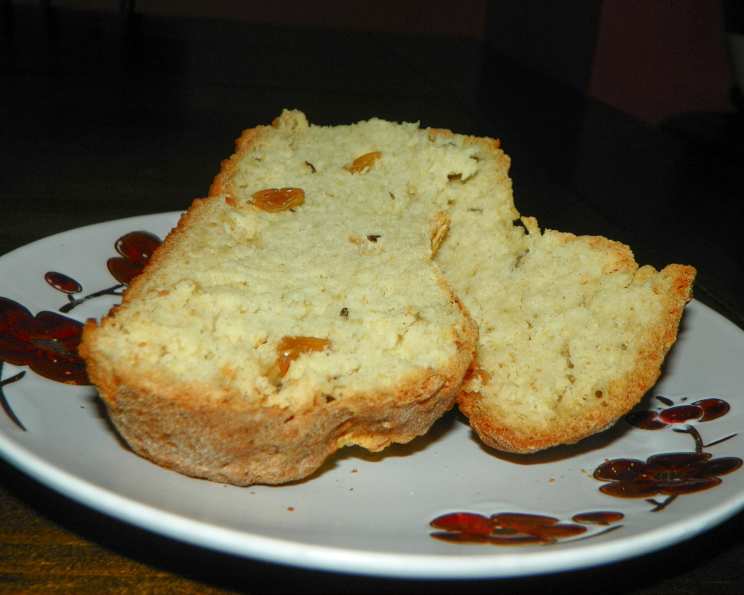
Mrs. O’Callaghan’s Soda Bread: A Taste of Irish Hospitality
The scent of soda bread baking always transports me back to a small, stone-walled kitchen in County Clare. Rain lashed against the windows as Mrs. O’Malley, a woman with eyes as bright as the turf fire crackling in the hearth, showed me her secret. The warmth of the oven, the yeasty aroma mingled with sweet buttermilk – it was more than just baking; it was a lesson in Irish hospitality, a welcoming embrace baked into every slice. This recipe, shared by Mrs. O’Callaghan, channels that same warmth and tradition.
Recipe Overview
- Prep Time: 15 minutes
- Cook Time: 55-60 minutes
- Total Time: 1 hour 15 minutes
- Servings: Approximately 12 slices
- Yield: 1 loaf
- Dietary Type: Vegetarian
Ingredients
- Nonstick vegetable oil cooking spray
- 2 ½ cups all-purpose flour
- 2 ½ cups whole wheat flour
- ½ cup packed brown sugar
- 2 teaspoons baking soda
- ½ teaspoon salt
- ¼ cup chilled margarine (or butter, cut into ½-inch cubes; ½ stick)
- 2 cups buttermilk (add more as and if needed)
- Optional: ¼ cup raisins
- Optional: ¼ cup caraway seed
Equipment Needed
- Heavy baking sheet
- Medium bowl
- Measuring cups and spoons
- Whisk
- Work surface (lightly floured)
- Wire rack
Instructions
- Preheat your oven to 425°F (220°C). Ensure your oven rack is positioned in the center.
- Generously spray a heavy baking sheet with nonstick vegetable oil cooking spray. This will prevent the bread from sticking and ensure even browning.
- In a medium bowl, whisk together the all-purpose flour, whole wheat flour, packed brown sugar, and baking soda. If you’re opting to use either the raisins or caraway seeds (or both!), incorporate them into the dry ingredients at this stage. Make sure everything is evenly distributed.
- Add the chilled margarine (or butter) to the dry ingredients. Using your fingertips or a pastry blender, cut in the margarine until it is reduced to pea-sized pieces. The smaller the pieces, the more tender the crumb of the soda bread will be.
- Add the buttermilk to the bowl. Stir until a shaggy dough forms. Be careful not to overmix. The dough should be slightly sticky. If the dough seems too dry, add a tablespoon of buttermilk at a time until it comes together.
- Turn the dough out onto a lightly floured work surface. Knead the dough until it comes together, about 10 turns. Overworking the dough will result in a tough bread, so handle it gently. This is not like kneading a yeast dough; the goal is simply to bring the ingredients together.
- Shape the dough into a 7- to 9-inch round, about 1 inch high. The round doesn’t need to be perfect; rustic is part of the charm of soda bread.
- Place the dough on the prepared baking sheet.
- Using a sharp knife, cut a large “X,” about ½ inch deep, in the top of the dough. This helps the bread to bake evenly and creates a characteristic look.
- Bake the bread in the center of the preheated oven for 15 minutes at 425°F (220°C). This initial high heat helps the bread to rise quickly.
- After 15 minutes, reduce the oven temperature to 375°F (190°C) and continue baking for 40-45 minutes, or until the bread is deep brown and the bottom sounds hollow when firmly tapped. A bamboo skewer inserted into the center of the bread should emerge clean without any stickiness or moistness. The total oven time should be around 55-60 minutes. Be sure to monitor the bread closely during the final stages of baking to prevent burning. If it’s browning too quickly, you can tent it with foil.
- Transfer the bread to a wire rack and cool completely before slicing. This allows the bread to fully set and prevents it from becoming gummy.
Expert Tips & Tricks
- Buttermilk is Key: Don’t substitute regular milk for buttermilk. Buttermilk’s acidity reacts with the baking soda to give the bread its characteristic rise and tangy flavor. If you can’t find buttermilk, you can make a quick substitute by adding 1 tablespoon of lemon juice or white vinegar to 1 cup of regular milk. Let it stand for 5 minutes before using.
- Don’t Overmix: Overmixing develops the gluten in the flour, leading to a tough bread. Mix just until the ingredients are combined.
- Temperature Matters: Using chilled margarine or butter is crucial. It helps create pockets of steam during baking, resulting in a lighter texture.
- Flour Power: The combination of all-purpose and whole wheat flour gives the bread a good balance of texture and flavor. Feel free to experiment with different types of flour, but keep the total amount the same.
- Scoring is Important: The deep “X” cut on top is not just for looks. It allows steam to escape and helps the bread bake evenly.
- The “Knock” Test: Tapping the bottom of the bread to check for doneness is a classic technique. A hollow sound indicates that the bread is fully baked.
Serving & Storage Suggestions
Mrs. O’Callaghan’s Soda Bread is best enjoyed fresh, still slightly warm from the oven. Slice it thickly and serve it with plenty of butter, jam, or a slice of sharp cheddar cheese. It’s also wonderful with hearty soups and stews.
To store, wrap the bread tightly in plastic wrap or place it in an airtight container. It will keep at room temperature for 2-3 days. For longer storage, you can freeze the bread for up to 2 months. Thaw it completely before slicing and serving. Reheat slices in a toaster or oven for a warm, crusty treat.
Nutritional Information
(Estimated values, may vary based on specific ingredients and portion size)
| Nutrient | Amount per Serving | % Daily Value |
|---|---|---|
| Calories | 282 kcal | 14% |
| Total Fat | 6.5g | 8% |
| Saturated Fat | 2.4g | 12% |
| Cholesterol | 1mg | 0% |
| Sodium | 443mg | 19% |
| Total Carbohydrate | 50.5g | 17% |
| Dietary Fiber | 4.7g | 17% |
| Sugars | 9.3g | N/A |
| Protein | 6.1g | 12% |
Variations & Substitutions
- Gluten-Free Soda Bread: Substitute a gluten-free all-purpose flour blend for the regular flour. You may need to add a binder like xanthan gum to help with the texture.
- Savory Soda Bread: Omit the brown sugar and add herbs like rosemary, thyme, or chives to the dough.
- Sweet Soda Bread: Add dried cranberries, orange zest, or a sprinkle of cinnamon to the dough.
- Dairy-Free Soda Bread: Substitute a plant-based butter alternative for the margarine and use a dairy-free buttermilk alternative (almond milk with lemon juice works well).
- Seed Sensations: Instead of caraway seeds, try sunflower, pumpkin, or sesame seeds for a different nutty flavor.
FAQs (Frequently Asked Questions)
Q: Why is my soda bread so dense?
A: Soda bread is naturally a dense bread, but overmixing the dough can make it even denser. Be sure to mix the ingredients just until combined.
Q: Can I use self-rising flour instead of all-purpose flour and baking soda?
A: No, the ratio of leavening in self-rising flour is different. Stick to the recipe’s instructions for best results.
Q: How can I prevent my soda bread from burning on the bottom?
A: Make sure your baking sheet is heavy and well-greased. You can also place a second baking sheet underneath to insulate the bread from the direct heat.
Q: Can I make soda bread ahead of time?
A: Yes, you can prepare the dough ahead of time and store it in the refrigerator for up to 24 hours. Bring it to room temperature before baking.
Q: Is it necessary to cut the “X” on top of the bread?
A: Yes, the cut allows steam to escape and helps the bread bake evenly. It also creates a characteristic look.
Final Thoughts
Mrs. O’Callaghan’s Soda Bread is more than just a recipe; it’s a taste of Ireland, a warm embrace from a simpler time. Don’t be intimidated by baking bread – this recipe is incredibly easy and forgiving. I encourage you to give it a try and experience the joy of creating something delicious from scratch. Serve it with a cup of strong tea or a pint of Guinness, and let the warmth of Irish hospitality fill your home. Share your baking adventures, and feel free to adapt the recipe to your own tastes. Happy baking!