
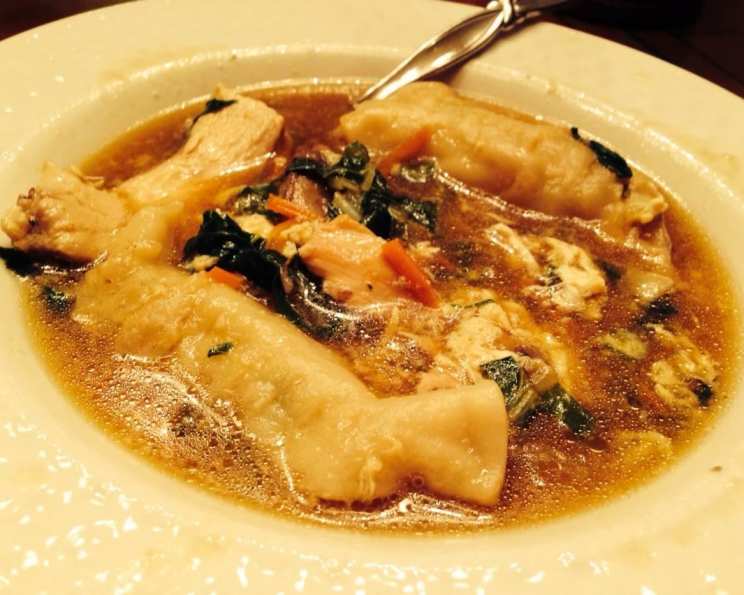
Mu Shu Stoup: A Fusion of Comfort and Flavor
The first time I tasted something resembling this Mu Shu Stoup, I was a broke culinary student experimenting with leftovers and a serious craving for Asian-inspired flavors. Ramen packets were a staple, but I longed for something more substantial, more nuanced. I threw in some leftover roast chicken, wilted cabbage from the crisper drawer, and a splash of soy sauce. The result, while far from refined, was surprisingly comforting and satisfying – a humble beginning to what would become one of my favorite quick and easy meals. This version, inspired by Rachel Ray, is a delicious evolution of that early experiment, bringing together the best of both worlds.
Recipe Overview
- Prep Time: 15 minutes
- Cook Time: 15 minutes
- Total Time: 30 minutes
- Servings: 4
- Dietary Type: Adaptable
Ingredients
- 1/4 cup vegetable oil, divided
- 1 lb chicken cutlet, thinly sliced (or protein of your choice)
- 1/2 lb shiitake mushrooms, stemmed and sliced
- 1 cup carrot, shredded
- 4 garlic cloves, chopped
- 1 head Savoy cabbage, cored and shredded
- 1 (13 ounce) package pot stickers
- 2/3 cup water
- 6 scallions, whites and greens, cut into 1-inch pieces
- 1/3 cup tamari (dark soy sauce)
- 2 quarts chicken stock
- 2 eggs, beaten
Equipment Needed
- Soup pot
- Skillet
Instructions
-
Begin by heating 2 tablespoons of vegetable oil in a soup pot over medium-high heat. The pot needs to be large enough to hold all the ingredients comfortably.
-
Add your protein of choice. If using chicken cutlet, as the recipe suggests, stir-fry until lightly browned. You can substitute with shrimp (cook until just pink) or pork (cook until lightly browned). Ensure the protein is cooked through before proceeding. This step is crucial for flavor development.
-
Add the shiitake mushrooms, shredded carrot, and chopped garlic to the pot. Cook for approximately 2 minutes, stirring frequently, until the mushrooms begin to soften and release their earthy aroma, and the garlic becomes fragrant.
-
Introduce the shredded Savoy cabbage to the pot. Continue cooking for about 5 minutes, or until the cabbage wilts and reduces in volume. Stir regularly to ensure even cooking. The cabbage should soften but still retain a slight bite.
-
While the cabbage is cooking, take out your skillet. Add the remaining 2 tablespoons of vegetable oil. Arrange the pot stickers in a single layer within the skillet. This ensures they cook evenly and develop a nice, crispy bottom.
-
Pour 2/3 cup of water into the skillet with the pot stickers. Turn the heat to medium-high. Cook the pot stickers for approximately 8 minutes, or until the water has evaporated completely. The steam created during this process will cook the pot stickers through.
-
Once the water has evaporated, allow the pot stickers to brown for an additional minute. Watch them carefully to prevent burning. The goal is to achieve a golden-brown, crispy base.
-
Return your attention to the soup pot. Add the scallions, tamari (dark soy sauce), and a generous pinch of black pepper. Stir to combine, ensuring the flavors are evenly distributed throughout the mixture.
-
Pour in the chicken stock, bringing the mixture to a boil. The chicken stock forms the base of the stoup, adding richness and depth of flavor.
-
Gently stir in the beaten eggs. Continue to stir until the eggs are cooked and scattered throughout the stoup in delicate strands. This creates a beautiful textural element and adds a subtle richness to the broth.
-
To serve, place a few of the cooked pot stickers in the bottom of a soup bowl and ladle the hot stoup over the top. The pot stickers will soften slightly in the broth, creating a delightful contrast in textures.
Expert Tips & Tricks
- Protein Power: Feel free to experiment with different proteins based on your preferences and dietary needs. Tofu works wonderfully for a vegetarian option.
- Cabbage Choices: While Savoy cabbage is recommended, Napa cabbage or even bok choy can be used as substitutes.
- Spice it Up: Add a pinch of red pepper flakes or a drizzle of chili oil to the finished stoup for an extra kick of heat.
- Make-Ahead Magic: The soup base (before adding the eggs and pot stickers) can be made ahead of time and stored in the refrigerator for up to 3 days. This is a great way to save time on busy weeknights. Simply reheat and add the eggs and pot stickers just before serving.
- Pot Sticker Perfection: For extra crispy pot stickers, after browning the bottoms, you can flip them and sear the tops for a minute or two.
Serving & Storage Suggestions
Serve the Mu Shu Stoup immediately after preparing. The combination of the hot broth and crispy-bottomed pot stickers is best enjoyed fresh.
Leftovers can be stored in an airtight container in the refrigerator for up to 2 days. The pot stickers will soften over time, but the flavor of the soup will remain delicious. Reheat gently on the stovetop or in the microwave.
Freezing is not recommended, as the texture of the cabbage and pot stickers may change upon thawing.
Nutritional Information
| Nutrient | Amount per Serving | % Daily Value |
|---|---|---|
| Calories | 450 kcal | 23% |
| Total Fat | 20g | 31% |
| Saturated Fat | 5g | 25% |
| Cholesterol | 150mg | 50% |
| Sodium | 1800mg | 75% |
| Total Carbohydrate | 30g | 10% |
| Dietary Fiber | 4g | 16% |
| Sugars | 8g | N/A |
| Protein | 35g | 70% |
Note: Nutritional information is an estimate and may vary based on specific ingredients and portion sizes.
Variations & Substitutions
- Vegan Mu Shu Stoup: Substitute the chicken stock with vegetable broth and omit the chicken and eggs. Use plant-based pot stickers.
- Gluten-Free Option: Ensure the tamari is gluten-free, or substitute with coconut aminos. Look for gluten-free pot stickers.
- Seasonal Adaptations: In the fall, add diced butternut squash or sweet potato for a heartier, seasonal twist. In the summer, incorporate fresh corn kernels or sliced zucchini.
- Spicy Kick: Add a tablespoon of sriracha or gochujang to the broth for a fiery upgrade.
- Mushroom Medley: Use a mix of different mushrooms, such as cremini, oyster, and enoki, for a more complex flavor profile.
FAQs (Frequently Asked Questions)
Q: Can I use frozen vegetables instead of fresh?
A: Yes, you can use frozen vegetables, but the texture might be slightly different. Ensure they are thawed and drained before adding them to the pot.
Q: What can I use if I don’t have Savoy cabbage?
A: Napa cabbage or bok choy are excellent substitutes for Savoy cabbage.
Q: Can I add other vegetables to the stoup?
A: Absolutely! Bell peppers, snap peas, and water chestnuts are all great additions.
Q: How do I prevent the eggs from clumping together in the soup?
A: Slowly drizzle the beaten eggs into the boiling broth while stirring constantly. This will help create delicate strands of egg.
Q: Where can I find pot stickers?
A: Pot stickers are typically found in the frozen section of most grocery stores, often in the Asian food aisle.
Final Thoughts
This Mu Shu Stoup is more than just a recipe; it’s an invitation to experiment and create a dish that’s uniquely yours. Don’t be afraid to adapt the ingredients, add your own personal touch, and most importantly, have fun in the kitchen. Whether you’re a seasoned chef or a novice cook, this stoup is sure to become a comforting and flavorful staple in your repertoire. So, gather your ingredients, put on some music, and get ready to enjoy a bowl of pure deliciousness! Share your creations and variations – I’d love to hear what you come up with! Pair this flavorful stoup with a crisp, dry Riesling for a delightful culinary experience.