
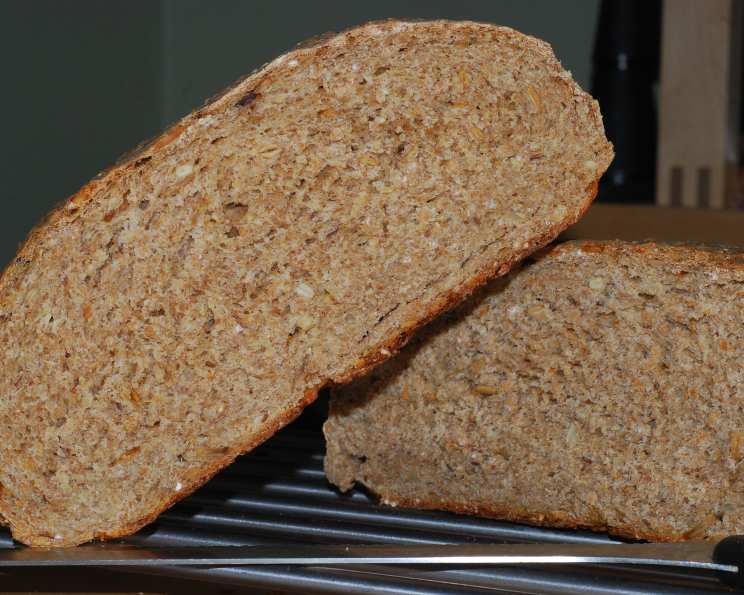
Multigrain Sunflower Sourdough Bread
There’s something truly magical about the smell of baking bread wafting through the house. I remember as a child, my grandmother would always have a loaf of sourdough rising on the counter, covered with a linen cloth. The anticipation was palpable, and the first slice, slathered with butter, was pure bliss. This multigrain sunflower sourdough brings back those comforting memories, with the added bonus of nutty sunflower seeds and the hearty texture of a blend of grains. It’s a loaf that nourishes both body and soul, a taste of home in every bite.
Recipe Overview
- Prep Time: 30 minutes
- Proofing Time: 8-12 hours
- Rise Time: 2-2.5 hours
- Cook Time: 50 minutes
- Total Time: 14-15 hours
- Yield: 1 Loaf
- Servings: 12
- Dietary Type: Vegetarian
Ingredients
To make Proofed Starter:
- 1 teaspoon granulated sugar
- 1 cup warm water
- ¼ cup sourdough starter
- 1 cup multigrain whole wheat bread flour
Ingredients for the Dough:
- 4 ½ cups multigrain whole wheat flour (or combination of multigrain, whole wheat, and white)
- 2 tablespoons honey
- 1 ½ teaspoons sea salt
- 1 cup warm water
- ½ cup sunflower seeds
Topping (optional):
- Seven-grain cereal
- Pam or water
Equipment Needed
- Large bowl
- Plastic wrap
- Stand mixer (optional, but recommended)
- Oiled bowl for resting
- Brotform or loaf pan or cookie sheet
- Baking stone or clay baker (optional, but recommended)
- Instant-read thermometer
Instructions
-
Prepare the Starter: In a large bowl, combine the warm water, granulated sugar, sourdough starter, and multigrain whole wheat bread flour. Stir vigorously until the mixture resembles a thick pancake batter, about 2 minutes.
-
Proof the Starter: Cover the bowl tightly with plastic wrap. Place it in a warm area and let it stand until it becomes bubbly, puffy, and develops a noticeably yeasty/sour aroma. This process typically takes 8 to 12 hours. The key here is patience – the starter needs time to activate and create the foundation for a flavorful loaf.
-
Combine the Dough Ingredients: To the proofed starter, add 4 cups of the multigrain whole wheat flour (or flour combination), warm water, sunflower seeds, honey, and sea salt. Using a stand mixer fitted with a dough hook (or your hands), mix until a soft, somewhat sticky dough forms.
-
Adjust the Flour (if needed): If the dough is excessively sticky, gradually add the remaining ½ cup of flour until it reaches a manageable consistency. Be careful not to add too much, as this can result in a dense loaf.
-
First Rest and Fold: Turn the dough out onto a lightly oiled bowl. Let it rest for 30 minutes. This rest period allows the gluten to relax and makes the dough easier to handle.
-
Folding Technique: After the rest, fold the dough by gently stretching one side up and over towards the center, like folding a letter. Turn the bowl 90 degrees and repeat the folding process. Do this a total of four times (folding each side). Return the dough to the oiled bowl, cover with plastic wrap, and let it rest for another 30 minutes.
-
Repeat the Folding: Repeat the folding process (as described in step 6) after the second 30-minute rest. This folding technique develops strength and structure in the dough, leading to a better rise and texture.
-
Shape the Loaf: Gently form the dough into your desired shape – either round or loaf-shaped. You can use a greased loaf pan, a cookie sheet, or a brotform (a specialized rising basket for bread). If using a brotform, dust it generously with flour to prevent sticking.
-
Final Rise: Cover the shaped loaf loosely with plastic wrap or a clean kitchen towel and let it rise in a warm place until it has doubled in bulk. This final rise usually takes between 2 to 2 ½ hours. Keep an eye on it – the rising time may vary depending on the warmth of your kitchen.
-
Preheat the Oven: Preheat your oven to 375°F (190°C). If you’re using a baking stone, place it in the oven while it preheats for at least 20 minutes. This ensures the stone is thoroughly heated and provides a stable, even cooking surface. If you’re using a clay baker, follow the manufacturer’s instructions for preheating.
-
Add Topping (Optional): If you desire a decorative topping, lightly spray the surface of the loaf with Pam or water. Then, sprinkle generously with seven-grain cereal.
-
Slash the Top: Using a sharp knife or lame (a specialized bread-scoring tool), slash the top of the loaf. This allows the bread to expand during baking and prevents it from cracking uncontrollably.
-
Bake the Bread: Place the loaf in the center of the preheated oven. Bake for approximately 50 minutes, or until an instant-read thermometer inserted into the center registers 215°F (102°C). The loaf should also be a deep golden brown and sound hollow when tapped on the bottom.
-
Cool Completely: Transfer the baked loaf to a wire rack and let it cool completely before slicing and serving. This is crucial for allowing the crumb to set properly.
Expert Tips & Tricks
- Starter Activity: The activity of your sourdough starter is paramount. Make sure it is bubbly and active before using it in this recipe. A sluggish starter will result in a dense, under-risen loaf. If your starter isn’t quite ready, feed it a couple of times before using.
- Flour Combination: Feel free to experiment with different combinations of multigrain, whole wheat, and white flours. Each blend will yield a slightly different flavor and texture.
- Steam for Crust: For an extra-crispy crust, create steam in the oven during the initial baking period. You can do this by placing a pan of hot water on the bottom rack of the oven or by spraying the inside of the oven with water a few times during the first 10 minutes of baking.
- Bulk Fermentation: Instead of the bowl rests and folds, you can do a bulk fermentation in a larger container. Let the dough rise for 2-3 hours, folding every 30-45 minutes for the first 2 hours. This helps develop gluten strength and flavor.
Serving & Storage Suggestions
This multigrain sunflower sourdough bread is delicious on its own, toasted, or as a base for sandwiches and appetizers. It pairs exceptionally well with creamy soups, hearty stews, and artisanal cheeses. For optimal freshness, store the cooled loaf in a breadbox or wrapped in a clean kitchen towel at room temperature. It will stay fresh for about 2-3 days. To prolong its life, you can slice the bread and freeze it in an airtight container for up to 2 months. Reheat frozen slices in a toaster or oven.
Nutritional Information
| Nutrient | Amount per Serving | % Daily Value |
|---|---|---|
| Calories | 232.6 kcal | N/A |
| Calories from Fat | 36 g | 15% |
| Total Fat | 4 g | 6% |
| Saturated Fat | 0.5 g | 2% |
| Cholesterol | 0 mg | 0% |
| Sodium | 294.6 mg | 12% |
| Total Carbohydrate | 44.3 g | 14% |
| Dietary Fiber | 7.3 g | 29% |
| Sugars | 3.6 g | N/A |
| Protein | 8.9 g | 17% |
Note: Nutritional information is an estimate and may vary depending on specific ingredients and portion sizes.
Variations & Substitutions
- Seed Variations: Experiment with different types of seeds, such as pumpkin seeds, flax seeds, or sesame seeds, to add unique flavors and textures.
- Spice Infusion: Incorporate spices like caraway seeds, fennel seeds, or dried herbs into the dough for an aromatic twist.
- Sweet Bread: Increase the amount of honey to create a slightly sweeter loaf, perfect for breakfast or dessert.
- Gluten-Free Option: While this recipe is not naturally gluten-free, you can experiment with gluten-free flour blends designed for bread making. Be aware that the texture and rise may differ from traditional sourdough.
- Nut Flour Addition: Add 1/4 cup almond flour or other nut flour to the dough for a nutty flavor and slightly denser crumb.
FAQs (Frequently Asked Questions)
Q: Why is my sourdough starter not rising?
A: Several factors can affect starter activity, including temperature, hydration, and the age of the starter. Make sure your starter is properly fed, kept in a warm environment, and has had enough time to mature.
Q: Can I use active dry yeast instead of sourdough starter?
A: While you can technically substitute active dry yeast, it will not produce the same tangy flavor and complex texture as sourdough.
Q: My loaf is dense and gummy. What went wrong?
A: This could be due to under-proofing, using a weak starter, or adding too much flour. Ensure your starter is active, allow the dough sufficient time to rise, and avoid over-kneading.
Q: How do I prevent the loaf from sticking to the brotform?
A: Generously dust the brotform with flour (rice flour works well) before placing the dough inside.
Q: Can I bake this bread in a Dutch oven?
A: Yes, baking in a Dutch oven can create a beautiful crust. Preheat the Dutch oven along with the oven, then carefully transfer the dough into the hot pot before baking.
Final Thoughts
I sincerely hope you’ll take the time to try this Multigrain Sunflower Sourdough Bread recipe. It’s a labor of love, but the reward is a truly exceptional loaf that you can proudly share with friends and family. Whether you’re a seasoned baker or a curious beginner, I encourage you to embrace the process, experiment with different variations, and most importantly, enjoy the delicious results. Don’t hesitate to leave a comment below with your questions, feedback, or creative adaptations. Happy baking!