
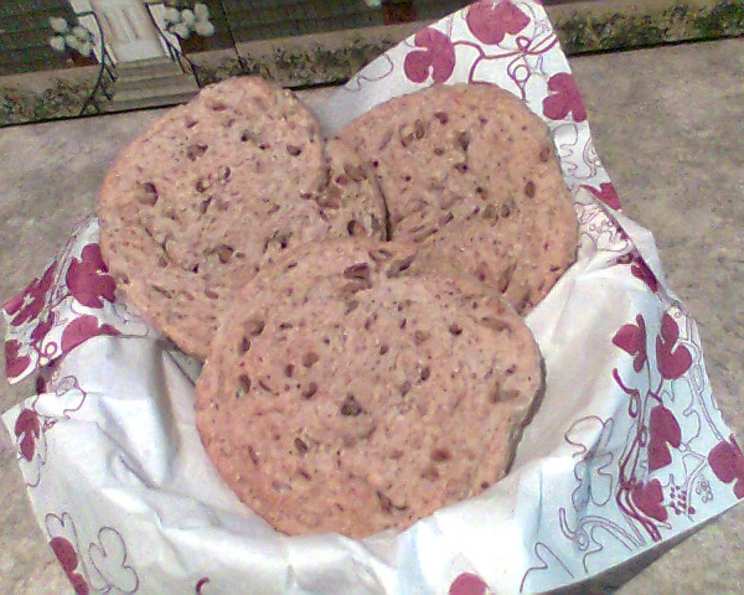
Multiseeded Multigrain Bread or Rolls: A Taste of Wholesome Goodness
There’s something deeply satisfying about the aroma of freshly baked bread wafting through the house, a scent that instantly transports me back to my grandmother’s kitchen. I remember the way the warmth from the oven would radiate outward, a welcome embrace on a chilly afternoon. Her multigrain bread, studded with seeds and bursting with nutty flavor, was a staple at our family table, a comforting presence that made every meal feel like a celebration. This recipe, inspired by those cherished memories, captures the same hearty goodness, offering a taste of nostalgia in every slice.
Recipe Overview
- Prep Time: 35 minutes
- Cook Time: 20-40 minutes
- Total Time: 3 hours 35 minutes
- Yields: 2 loaves or 16 rolls
- Serves: 16
- Dietary Type: Vegetarian
Ingredients
- 2 cups warm water
- 1/2 cup Bulgar wheat
- 2 tablespoons active dry yeast
- 1/3 cup honey
- 1/4 cup vegetable oil
- 1/4 cup pecans, chopped
- 1 cup sunflower seeds
- 1 teaspoon sesame seeds
- 1 teaspoon poppy seeds
- 3 1/3 cups multi-grain flour, divided
- 1 egg, slightly beaten (for egg wash)
- 1 tablespoon sesame seeds (for topping)
Equipment Needed
- Large bowl
- Electric mixer (optional, but recommended)
- Measuring cups and spoons
- Lightly greased bowl
- Parchment paper
- Tea towel
- 8-1/2 x 4 inch loaf pans (if making loaves)
- Baking sheet (if making rolls)
- Wire cooling rack
Instructions
-
In a large bowl, place the Bulgur wheat and pour the warm water over it. Allow the mixture to stand for 15 minutes to soften the wheat. This step helps to hydrate the Bulgur, giving the bread a lovely, moist texture.
-
Sprinkle the active dry yeast over the softened Bulgur and water mixture. Let it stand for another 15 minutes, or until the yeast becomes foamy. This confirms that the yeast is active and will properly leaven the bread. Give it a quick stir after the blooming process.
-
To the yeast mixture, add the honey, vegetable oil, chopped pecans, sunflower seeds, 1 teaspoon of sesame seeds, 1 teaspoon of poppy seeds, and 1 1/2 cups of the multi-grain flour.
-
Using an electric mixer on low speed, beat the ingredients together until well combined. Gradually add the remaining multi-grain flour, mixing until a dough forms. If your mixer isn’t strong enough, you can knead the dough by hand at this point.
-
Transfer the dough to a lightly floured surface. Knead the dough for about 10 minutes until it becomes smooth and elastic. This kneading process develops the gluten, which gives the bread its structure.
-
Place the kneaded dough in a greased bowl, turning to coat all sides. Cover the bowl with parchment paper and a tea towel to create a warm and humid environment for rising.
-
Place the bowl in a warm, draft-free place to rise for 2 hours. A slightly warmed oven (turned off) is an excellent spot for this. This extended rising time allows the yeast to work its magic, creating a light and airy loaf.
-
After the first rise, gently punch the dough down to release any excess air.
-
Shape the dough according to your preference: either divide it into two equal portions and place them in lightly greased 8-1/2 x 4 inch loaf pans to make loaves, or divide it into 16 equal pieces to make rolls. For bread “discs” (as mentioned in the original note), form the dough into a cylinder and cut it into 1-inch slices.
-
Loosely cover the shaped dough with parchment paper and allow it to rise again for a further 45 minutes. This second rise is crucial for achieving a light and fluffy final product.
-
Preheat oven to 375°F (190°C).
-
Brush the tops of the loaves or rolls with the slightly beaten egg, creating a golden-brown crust. Sprinkle with the remaining tablespoon of sesame seeds for added flavor and visual appeal.
-
Bake in the preheated oven at 375°F (190°C). Bread loaves will take approximately 35-40 minutes to bake, while rolls or rounds will bake for about 20 minutes. The bread is done when it sounds hollow when tapped on the bottom and the internal temperature reaches 200-210°F (93-99°C).
-
Remove the baked bread or rolls from the oven and let them cool on a wire rack before slicing and serving.
Expert Tips & Tricks
- Don’t skip the Bulgur soak: This step is essential for adding moisture and a pleasant chewiness to the bread.
- Yeast temperature is key: Ensure the water is warm, not hot, to activate the yeast properly. Hot water can kill the yeast.
- Kneading is crucial: Don’t skimp on the kneading time. A well-kneaded dough results in a better texture.
- Rising time matters: Give the dough enough time to rise in a warm place. A slow rise develops flavor.
- Oven temperature accuracy: Use an oven thermometer to ensure your oven temperature is accurate.
- For a softer crust: Tent the bread with foil during the last 15 minutes of baking to prevent over-browning.
- For a crispier crust: Brush the bread with water or an egg white wash immediately before baking.
Serving & Storage Suggestions
This multigrain bread is delicious served warm with butter, honey, or your favorite jam. It makes excellent toast or sandwiches.
- Storage: Store the bread at room temperature in an airtight container for up to 3 days. For longer storage, wrap tightly in plastic wrap and freeze for up to 2 months. Rolls can be stored similarly.
- Reheating: Reheat frozen bread or rolls in a preheated oven at 350°F (175°C) for 10-15 minutes, or until warmed through. You can also toast slices directly from frozen.
Nutritional Information
| Nutrient | Amount per Serving | % Daily Value |
|---|---|---|
| Calories | 133.7 kcal | N/A |
| Calories from Fat | N/A | 67% |
| Total Fat | 10 g | 15% |
| Saturated Fat | 1.1 g | 5% |
| Cholesterol | 11.6 mg | 3% |
| Sodium | 7.6 mg | 0% |
| Total Carbohydrate | 9.7 g | 3% |
| Dietary Fiber | 1.7 g | 6% |
| Sugars | 6.1 g | 24% |
| Protein | 3.3 g | 6% |
Note: Nutritional information is an estimate and may vary based on specific ingredients and serving sizes.
Variations & Substitutions
- Gluten-Free: Substitute the multi-grain flour with a gluten-free bread flour blend. You may need to adjust the liquid content.
- Vegan: Replace the honey with maple syrup or agave nectar. Omit the egg wash or use a plant-based milk for brushing.
- Seed Variations: Experiment with different seed combinations, such as pumpkin seeds, flax seeds, or chia seeds.
- Nut Variations: Try using walnuts, almonds, or hazelnuts instead of pecans.
- Spice It Up: Add a pinch of cinnamon, nutmeg, or cardamom to the dough for a warm, spiced flavor.
FAQs (Frequently Asked Questions)
Q: Can I use instant yeast instead of active dry yeast?
A: Yes, you can use instant yeast. You can skip the blooming step and add it directly to the dry ingredients. Use the same quantity.
Q: Can I make this bread without an electric mixer?
A: Absolutely! You’ll need to knead the dough by hand for a longer time, about 12-15 minutes, until it becomes smooth and elastic.
Q: My dough didn’t rise properly. What went wrong?
A: Possible causes include inactive yeast (check the expiration date), water that was too hot or too cold, or a drafty rising environment.
Q: Can I make this bread ahead of time?
A: Yes, you can prepare the dough ahead of time and store it in the refrigerator for up to 24 hours. Let it come to room temperature before shaping and baking.
Q: How do I prevent the seeds from burning during baking?
A: Tent the bread with foil during the last 15 minutes of baking to protect the seeds from excessive heat.
Final Thoughts
I hope this recipe inspires you to create your own loaf of wholesome, multigrain goodness. The simple act of baking bread can be incredibly therapeutic, and the reward of a warm, homemade loaf is truly satisfying. Feel free to experiment with different variations and make this recipe your own. Don’t hesitate to share your creations and feedback – I’d love to hear about your baking adventures! Enjoy this bread with a hearty soup or a simple salad for a complete and nourishing meal.